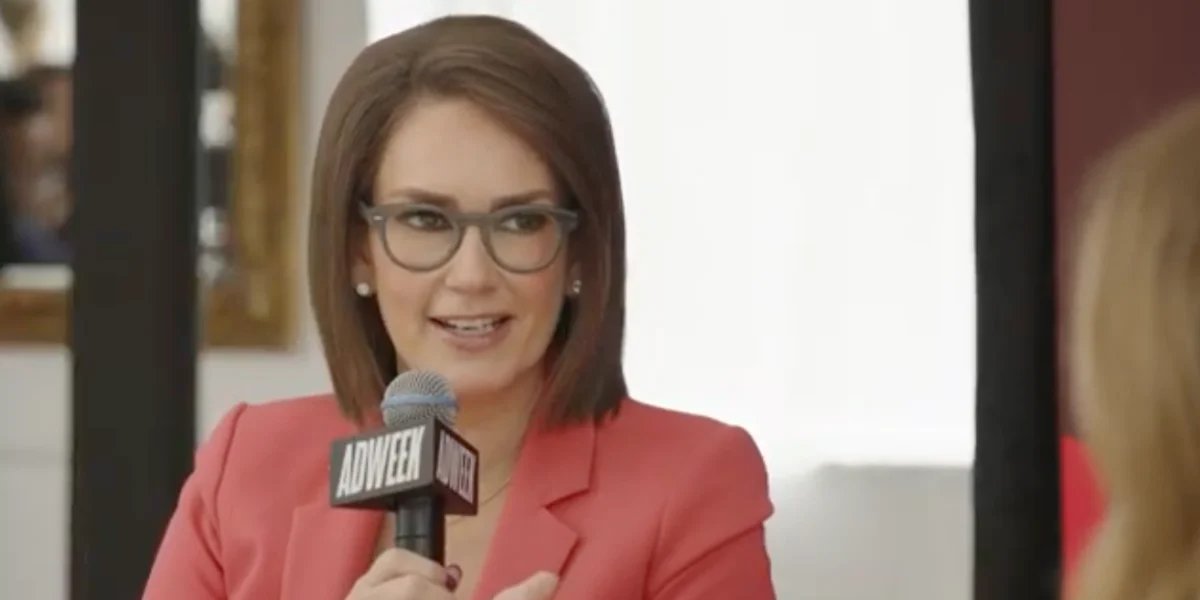
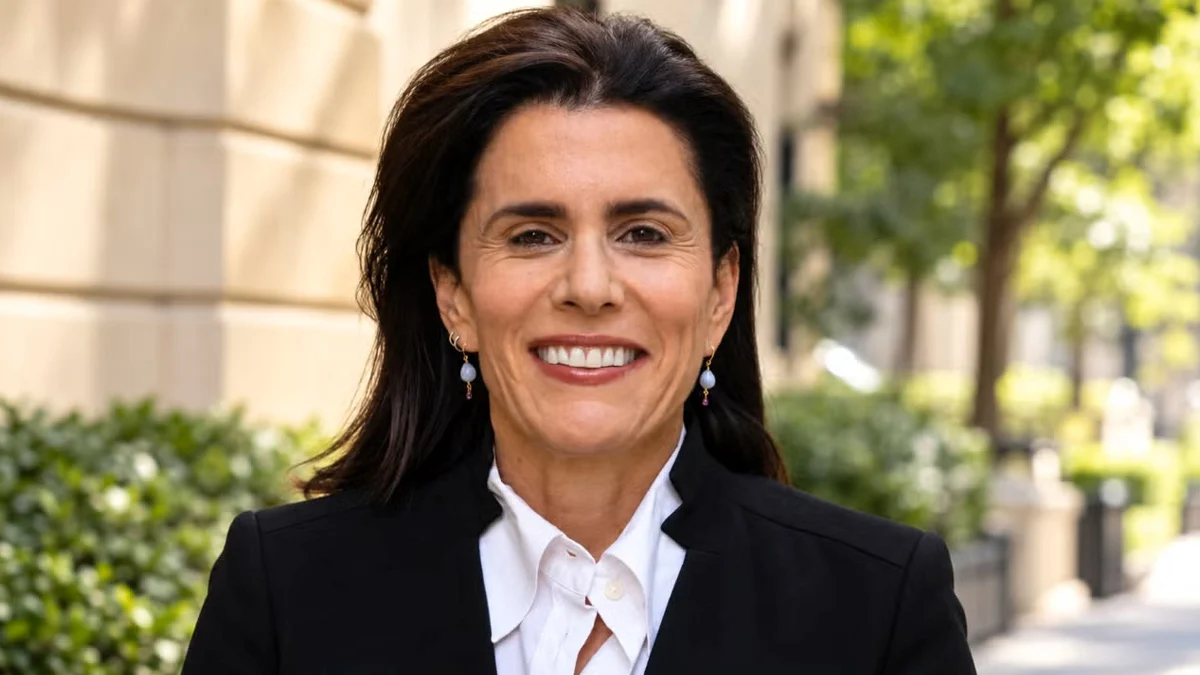
WASHINGTON, D.C. — In a decisive move signaling a new chapter for one of the world’s most storied news organizations, The Washington Post announced on Thursday, October 8th, the appointment of media veteran Alex Wallace as its new Chief Operating Officer (COO). The move, which takes effect on October 19th, places Wallace at the right hand of Chief Executive Jeff D’Onofrio, tasking her with the formidable challenge of stabilizing the newspaper’s financial trajectory while synchronizing its editorial mission with aggressive commercial objectives.
For an organization navigating the turbulent waters of the modern digital media landscape, Wallace’s arrival is more than a mere personnel shift; it is a tactical repositioning. As The Washington Post attempts to pivot away from a period of declining subscriptions and revenue stagnation, the choice of a leader with deep roots in both traditional broadcasting and digital-native content platforms suggests a clear mandate: operational excellence at scale.
The Core Mandate: Bridging Content and Commerce
The partnership between CEO Jeff D’Onofrio and the incoming COO is designed to dismantle internal silos that have historically hampered the Post’s agility. According to internal communications released on Thursday, Wallace will be responsible for aligning the company’s diverse teams, optimizing cross-departmental workflows, and—most crucially—tracking performance against a rigorous set of business goals.
For the Post, the appointment represents a move toward a "product-first" mentality. While the editorial department remains the heart of the institution, the business side must now function with the precision of a tech enterprise. Wallace’s role will be to ensure that the newsroom’s output translates into sustainable growth, whether through improved reader conversion rates, innovative advertising models, or diversified revenue streams that go beyond the traditional subscription paywall.
Chronology: A Trajectory of Transformation
The hiring of Wallace is the latest in a series of strategic maneuvers intended to steer the Post toward long-term sustainability. The timeline of this transformation reflects a company acutely aware of its current position in the market:
- September 2024: The company issued a landmark financial update, projecting that the Post is on its closest path to profitability in five years, with a target date for financial stabilization set for the end of 2026. This announcement served as the starting gun for a broader operational shake-up.
- Early October 2024: The newspaper unveiled its inaugural "Impact Report," a document intended to quantify the societal value of its journalism. This was followed immediately by the launch of the "Relentless" campaign—a high-budget brand initiative designed to reassert the Post’s prominence in a crowded, hyper-polarized media ecosystem.
- October 8, 2024: The official announcement of Alex Wallace as the new Chief Operating Officer, confirming the leadership’s commitment to integrating the new brand identity with the company’s internal operational structure.
- October 19, 2024: Wallace’s scheduled start date, marking the commencement of a transitional period where she will begin auditing the company’s internal business units and reporting structures.
The Wallace Dossier: A Heavyweight CV
To understand why the Post prioritized Wallace for the COO role, one must examine her history as a "bridge-builder" between editorial integrity and commercial viability. Her career trajectory is defined by high-stakes roles at the intersection of legacy media and digital disruption.
The Yahoo Era
Most recently, Wallace served as Executive Vice President and Head of Media and Content at Yahoo. In this capacity, she oversaw a sprawling, high-velocity portfolio that included Yahoo News, Sports, Entertainment, and Finance, as well as the influential tech publication TechCrunch. Her tenure at Yahoo was marked by a focus on "content-led growth," where she successfully integrated diverse media brands into a single, cohesive ecosystem. Her ability to navigate the complexities of digital advertising while maintaining the credibility of high-level journalism is a skill set the Post desperately requires.
The Broadcast Roots
Before her time in the digital-first environment of Yahoo, Wallace held significant production and editorial leadership positions at both CBS News and NBC News. This background provides her with an intimate understanding of the "newsroom culture"—a critical asset for a COO who must command the respect of journalists while demanding greater efficiency from them. Her experience in network television also brings a focus on audience reach and mass-market engagement, two areas where the Post seeks to expand its footprint.
Supporting Data: The Case for Efficiency
The Post is not hiding the necessity of this appointment. The financial performance of the newspaper industry has been under a microscope, and the Post has been no exception. The company’s recent data projections reveal a sobering reality: despite its prestige, the business model must evolve to survive.
Financial Path to 2026
The goal of reaching profitability by the end of 2026 is an ambitious target that requires a fundamental change in the "cost-per-subscriber" and "revenue-per-user" metrics. By bringing in a COO who has managed massive digital portfolios, the company is signaling that it intends to rely on data-driven decision-making rather than traditional media intuition.
Brand Rejuvenation
The "Relentless" campaign is more than a slogan; it is a defensive and offensive measure. Market research suggests that in an era of "news fatigue," legacy brands must work harder to justify their value proposition to younger demographics. The launch of the inaugural impact report—which highlights the Post’s investigative successes—is a strategic move to leverage "brand equity" to drive subscriptions. Wallace’s role will be to translate the buzz generated by these campaigns into actual bottom-line revenue.
Official Responses and Internal Sentiment
While public statements from the Post’s leadership have remained professional and guarded, internal signals suggest a sense of cautious optimism. Jeff D’Onofrio has expressed confidence that Wallace’s appointment will provide the "operational rigor" necessary to achieve the goals set out for 2026.
In discussions with industry analysts, the consensus is that Wallace represents a "safe but bold" choice. She is safe because she understands the traditional journalistic environment, yet bold because she has proven capable of pivoting organizations toward digital-first growth strategies.
"The Post is essentially trying to become a modern media technology company," said one industry analyst. "They have the journalism. Now they need the plumbing. Wallace is the plumber who knows how to fix the leaks while the water is still running."
Implications for the Future of Journalism
The implications of Wallace’s hire extend far beyond the offices of the Washington Post. As one of the world’s most influential news outlets, the Post’s success—or failure—in its current restructuring will serve as a bellwether for the rest of the industry.
The "Operator-Led" Newsroom
We are seeing a shift in how news organizations are structured. The era of the "Editor-in-Chief as the sole visionary" is being replaced by the "Co-leadership model," where the Editor and the COO share the stage as equals. If Wallace succeeds, it will likely trigger a wave of similar appointments across the newspaper industry, with more organizations seeking high-level executives from the tech and broadcast sectors to manage their business operations.
Navigating the "Post-Subscription" World
With the subscription market showing signs of saturation, the Post must look toward new avenues for monetization. Wallace’s background in media portfolios suggests that the Post may explore deeper partnerships, licensing deals, or expanded multimedia content—areas where Yahoo excelled during her tenure.
Maintaining Editorial Independence
The primary tension that Wallace will face is the classic conflict between the business side and the newsroom. Journalists at the Post are notoriously protective of their editorial independence. Her success will depend entirely on her ability to foster a culture where commercial objectives are viewed not as a threat to journalism, but as the fuel that makes the journalism possible.
If Wallace can successfully align the "Relentless" spirit of the newsroom with the cold, hard realities of a 2026 profit-and-loss statement, she will have cemented her legacy as one of the most important media executives of the decade. As of October 19th, the clock starts ticking. The Washington Post is no longer just reporting on the changing landscape of media—it is actively trying to master it.