If you were asked to build a career as a content creator, the choice of platform would be a simple calculation of return on investment. For over a decade, YouTube has stood as the gold standard, offering a robust, transparent, and lucrative monetization engine. Now, Instagram—a platform that spent the better part of the 2020s obsessing over the rapid-fire, ephemeral nature of vertical short-form video—is making a dramatic U-turn. By introducing "Features," a new format allowing for video uploads of up to 90 minutes, Instagram is signaling a strategic shift that could either redefine the creator economy or serve as a cautionary tale of platform identity crises.
The State of the Creator Economy: YouTube vs. The Field
For years, the internet has been defined by the "short-form craze." Following the meteoric rise of TikTok, every major social platform—from LinkedIn to Pinterest—pivoted toward the vertical, sub-minute video feed. While this strategy successfully captured user attention, it failed to solve the fundamental problem of creator sustainability.
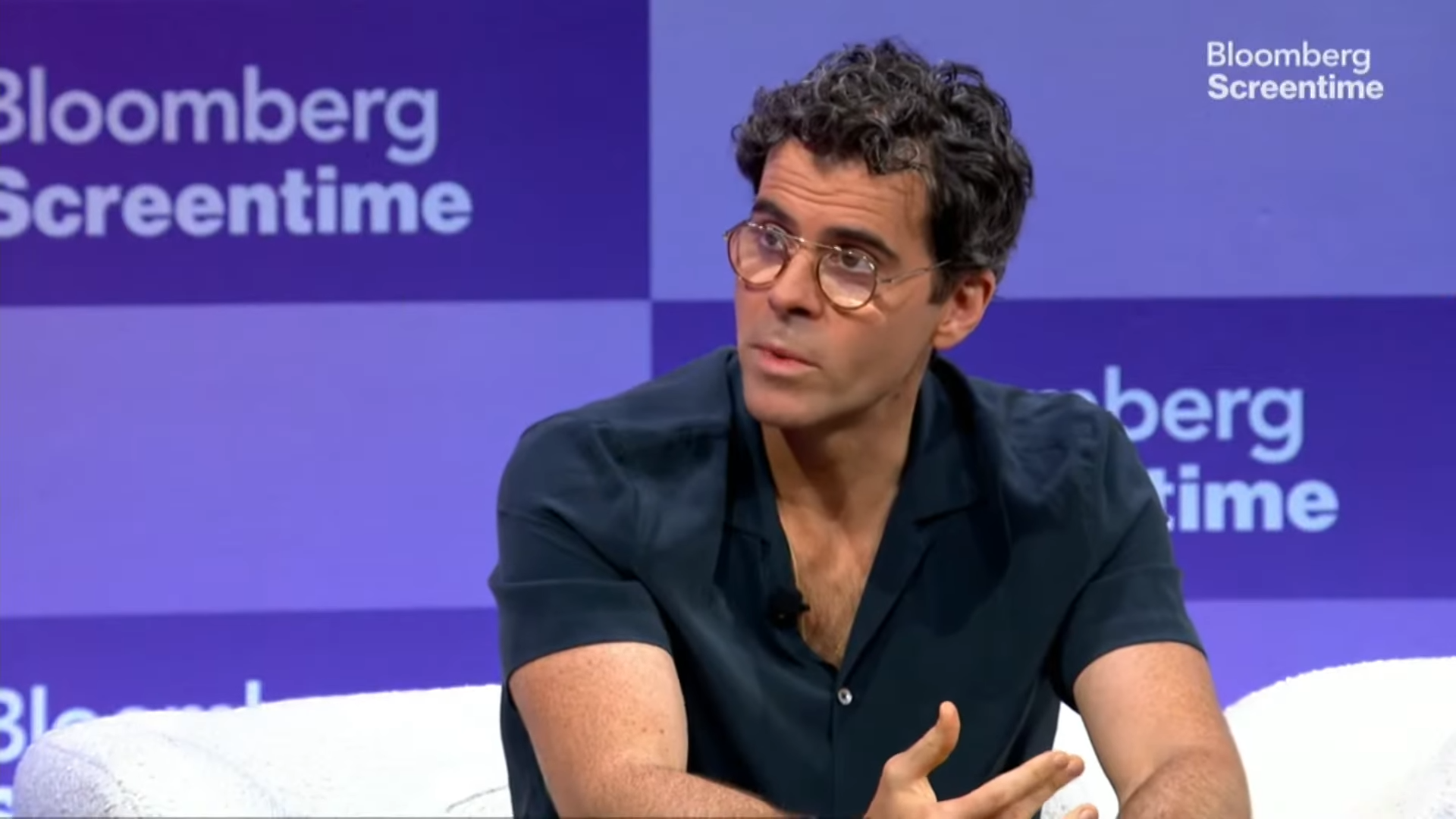
On Instagram, the creator economy is currently fragmented. As head of Instagram Adam Mosseri recently noted on the Colin and Samir Show, the primary income streams for Instagram creators are brand deals and, to a lesser extent, fan-based subscriptions. Unlike YouTube, which operates a mature, performance-based revenue-sharing model, Instagram lacks a consistent, per-view payment structure.
The contrast is stark: YouTube’s Partner Program (YPP) functions as the bedrock of the professional creator class. By sharing 55% of ad revenue with creators, YouTube has paid out more than $100 billion over the last four years alone. This predictability allows creators to build sustainable businesses, hire editors, and plan long-term content cycles. Conversely, Instagram creators often treat the platform as a top-of-funnel marketing tool, pushing their audience toward their YouTube channels, where the actual "paycheck" lives.
A Chronology of Pivots: From IGTV to "Features"
Instagram’s current move is not its first attempt at long-form video, and its historical baggage is heavy. In 2018, the company launched IGTV, a dedicated standalone app and hub designed to house long-form, portrait-oriented video. It was intended to be the "television" of Instagram. However, IGTV struggled to gain traction; users were accustomed to the infinite scroll of the main feed, and the friction of switching formats ultimately led to the product’s quiet demise.
The intervening years were defined by "Reels," Instagram’s aggressive answer to TikTok. Reels succeeded in maintaining user engagement but struggled with monetization. The challenge is inherent to the format: short-form video offers limited real estate for advertising. You cannot easily insert mid-roll ads into a 15-second clip without destroying the user experience.
Now, with the testing of "Features," Instagram is attempting a synthesis. The company is betting that by enabling long-form content, it can move beyond the "promotional" status of its current ecosystem and capture the high-value advertising dollars that YouTube has monopolized.
The Strategy: Symbiosis Over Competition
The architectural philosophy behind "Features" is what Instagram calls "symbiosis." Instead of viewing long-form and short-form as disparate entities, Instagram wants them to work in tandem.
Central to this strategy is the new "Clips as Reels" feature. This tool allows creators to take a segment of their 90-minute "Feature" and package it as a vertical Reel. This Reel acts as a bridge, linking the viewer back to the long-form content. This creates a funnel effect: the Reel acts as the discovery mechanism, while the Feature provides the depth—and, crucially, the potential for ad placement.
Furthermore, Instagram is looking beyond the smartphone. The company is actively optimizing its interface for the TV app, recognizing that long-form content is increasingly consumed in the living room. By bringing long-form video to the TV screen, Instagram is positioning itself to compete directly with YouTube’s dominance in Connected TV (CTV) advertising, a high-growth sector that is far more lucrative than mobile social media ads.
Official Responses and the Monetization Question
When questioned about how this move competes with YouTube’s established revenue sharing, Meta remains cautious. A company spokesperson noted, "It’s too early to share a long-term monetization model, but we’re exploring ways for creators to earn from brands, fans, and Instagram, including performance-based incentives."
This non-committal language highlights the internal tension at Meta. Adam Mosseri has been transparent about the financial reality: Meta’s previous experiments with performance-based creator payments were, in his words, "burning capital." To build a true competitor to the YouTube Partner Program, Meta would need to develop a sustainable ad-revenue ecosystem that doesn’t rely on subsidies.

Mosseri’s own evolution on the subject is telling. Having spent years as an outspoken skeptic of long-form video on the platform, he was reportedly convinced by VP of Product Tessa Lyons, who argued that creators need a space to foster deeper connections with their audiences. "Reels is still going to be a core part of Instagram," Mosseri said. "But when you want to go deeper with the creators you love… you should be able to do that on Instagram."
Implications for the Industry
If Instagram successfully executes this pivot, the implications for the creator economy are significant.
1. The Death of the "Cross-Platform Split"
Currently, most creators are forced to maintain a "split-brain" strategy: short-form content on TikTok/Reels to gain reach, and long-form content on YouTube to make money. If Instagram can provide a high-quality home for both, it could simplify the workflow for thousands of creators, keeping them within the Meta ecosystem longer.
2. The Battle for "Watch Time"
YouTube’s greatest moat is the "lean-back" experience. Users go to YouTube to watch, not just to scroll. By encouraging episodic content and playlist-like hubs for Reels, Instagram is explicitly attempting to shift user behavior from passive scrolling to active viewing.
3. Advertising Market Disruption
Advertisers crave long-form content because it allows for more sophisticated brand storytelling and higher-value ad placements. If Meta can successfully build an ad-insertion engine for "Features" that rivals Google’s AdSense, they could potentially siphon off a portion of the massive budget currently flowing into YouTube.
The Road Ahead: Why Success is Not Guaranteed
Despite the strategic logic, Instagram faces an uphill battle. The platform’s culture is fundamentally rooted in aesthetic curation and rapid social interaction. Can it successfully host long-form educational, documentary, or entertainment content?
The success of this initiative will depend on two factors: Discovery and Payouts.
Discovery is the first hurdle. If the algorithm doesn’t reward long-form content with the same vigor it applies to viral Reels, creators will not invest the time to produce it. The current test, which is limited to Brazil and select U.S. accounts, will be the proving ground for whether the Instagram audience actually wants to watch 90-minute videos.
The second, and more difficult, factor is money. For creators, the "platform loyalty" is earned through the bank account. If Meta cannot offer a competitive, predictable, and transparent revenue-sharing model, the "Features" initiative will likely suffer the same fate as IGTV. Creators will produce content for the platform, but they will never truly call it "home."
Conclusion
Instagram is standing at a crossroads. By re-embracing long-form video, the platform is admitting that the "short-form-only" era left a gap in the market—one that YouTube continues to dominate. Whether "Features" becomes the engine that finally allows Instagram to compete with YouTube’s creator economy depends on whether Meta is willing to move from a "social-first" platform to a "content-first" destination.
The tools are there, the strategy is clear, and the ambition is evident. But in an economy where creators follow the revenue, the final verdict will not be written in press releases or by product designers—it will be written in the monthly earnings reports of the creators themselves. For now, the industry watches with cautious optimism to see if the king of the social feed can truly become the king of the screen.