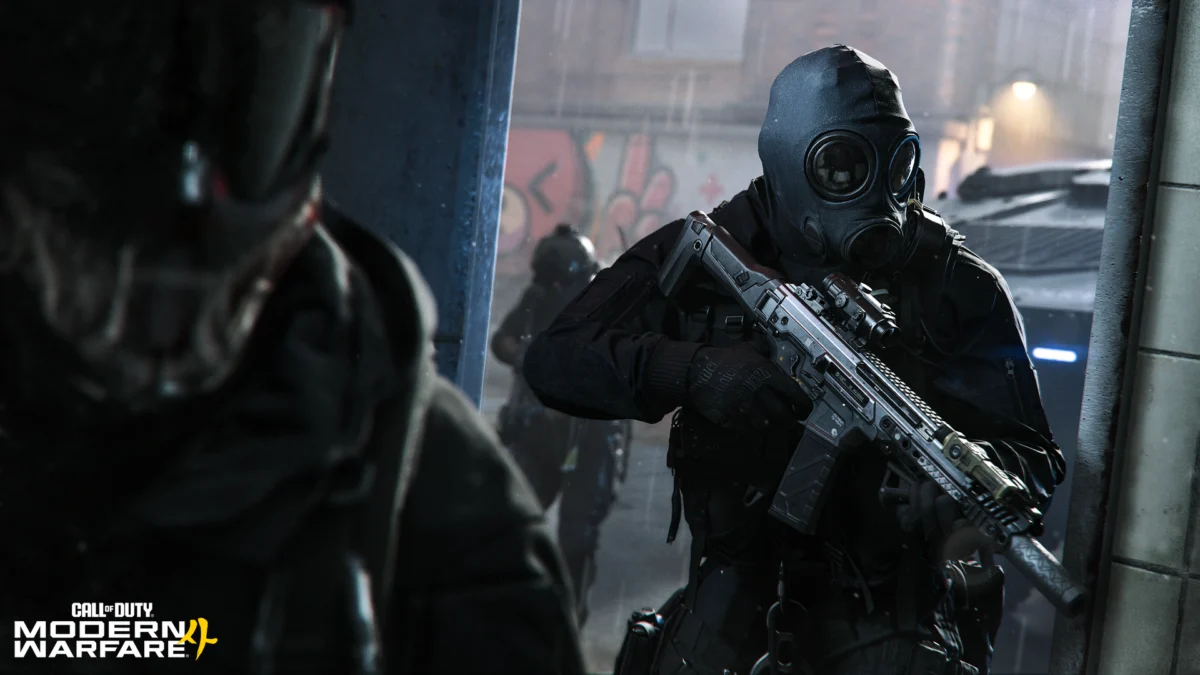
The "Call of Duty" franchise has long been synonymous with high-octane cinematic campaigns and a frantic, competitive multiplayer experience. Yet, for nearly two decades, the auditory identity of the multiplayer suite was often relegated to the shadows of the campaign’s bombastic orchestral scores. That paradigm is shifting with Call of Duty: Modern Warfare 4. According to acclaimed composer Jason Graves, this iteration marks a historic departure from tradition, elevating the multiplayer audio experience from a recycled afterthought to a foundational pillar of the game’s design.
A Historic Shift in Auditory Design
For years, the standard operating procedure for Call of Duty multiplayer audio was functional rather than immersive. Development teams typically repurposed existing tracks from the campaign—often stripping away dialogue or complex cinematic layers—to fill the void in lobby menus and after-action reports. While effective at maintaining brand cohesion, this approach rarely offered the bespoke intensity required to match the unique cadence of competitive play.
Jason Graves, a veteran composer whose credits include the haunting soundscapes of Dead Space, has confirmed that Modern Warfare 4 represents the first time the multiplayer mode has received a full, dedicated score of this magnitude.
"As far as I know, this is the first time we’ve specifically composed a score of this scale for multiplayer for Modern Warfare," Graves stated in an interview. "It’s the first time the multiplayer gameplay itself has received so much love and attention. Normally, it’s usually a bit of an afterthought, cobbled together from existing music from the campaign, maybe getting some original lobby music."
The Evolution of the Soundtrack: A Chronology of Change
To understand the significance of this development, one must look at the trajectory of the series. In previous installments, including the 2022 release of Modern Warfare 2, Graves noted that his work was largely focused on adapting existing assets. The creative process was iterative and restrictive, constrained by the "recycled" nature of the audio assets available for multiplayer.
However, the production cycle for Modern Warfare 4 saw a radical shift in philosophy. Instead of relying on the campaign’s narrative-driven motifs, the sound team at Infinity Ward collaborated with Graves to build a library of discrete, high-fidelity audio assets. These assets were specifically engineered to accommodate the non-linear, unpredictable nature of multiplayer combat.
The result is a granular sound design that includes:
- Dynamic Lobby Tracks: Music that shifts based on player status and pre-match anticipation.
- Countdown Themes: Tense, percussive arrangements that build toward the start of a match.
- Streak-Specific Audio: Dynamic cues that trigger during high-performance moments.
- After-Action Reports: Tailored soundscapes that reflect the emotional weight of victory or the frustration of defeat.
Supporting Data: Why Multiplayer Requires a Different Vibe
The challenge of scoring a multiplayer game lies in its fundamental difference from a linear narrative. A campaign follows a scripted trajectory of tension and release; a multiplayer match, by contrast, is a chaotic, repetitive, and adrenaline-fueled cycle of combat that lasts mere minutes.
Graves emphasizes that capturing the "forward momentum" of a competitive match requires a completely different musical language. "To capture the tone of multiplayer maps, you have to play a lot of multiplayer," Graves explains. "It’s a completely different vibe from the campaign. I was trying to capture forward momentum and pure adrenaline."
While some might argue that first-person shooters lack the "specific list of characteristics" found in genres like fantasy RPGs—where sweeping, melodic themes are expected—Graves views this as an opportunity. In a shooter, the music is a tool for motivation. It is designed to act as a catalyst, pulling the player into a state of "flow" where the boundary between the player and the controller dissolves.
"A lot of my job is simply motivation and excitement, either before, during, or after a multiplayer match," he noted. "So I’m here to get you pumped up and ready for action, motivate you towards the finish line, and slap you on the back with a big swaggering beat when you complete your objective."
The Infinity Ward Influence: A Creative Synergy
The shift in audio strategy did not occur in a vacuum. It was the result of a concerted effort by the Infinity Ward sound team to integrate music more deeply into the player’s experience. According to Graves, the sound team served as a "huge creative influence" on the soundtrack, acting as the bridge between the technical requirements of the engine and the artistic vision of the score.
This collaborative environment allowed for a more "integrated" approach. Music is no longer just a background layer; it is now reactive. By aligning the music with the core gameplay loops, the development team has created an experience where the player’s actions on the screen feel intrinsically linked to the pulse of the audio.
Graves believes that this is the hallmark of a great game soundtrack. "I think the best soundtrack of any game is one that inspires and elevates the core ideas of the gameplay," he said. "For Modern Warfare specifically, it should turn everything in the game that the player is experiencing up to eleven."
Implications for the Future of FPS Audio
The decision to prioritize a bespoke multiplayer score in Modern Warfare 4 sets a new industry benchmark. As competitive gaming continues to dominate the market, the demand for high-quality, non-repetitive, and emotionally resonant audio will only increase.

1. The Death of "Recycled" Assets
If Modern Warfare 4 proves successful, it is highly probable that AAA studios will abandon the practice of using "cobbled together" campaign tracks for their multiplayer modes. Players are increasingly sensitive to audio quality, and the "leftover" feeling of previous multiplayer soundtracks is becoming a point of criticism.
2. Reactive Audio Technology
The success of this project may encourage developers to push further into adaptive music systems. We may soon see soundtracks that change not just based on the mode, but based on the player’s skill level, their current killstreak, or the specific map geography.
3. The Composer as a Core Developer
Graves’ experience highlights the importance of the composer being integrated into the development process early on. By playing the game—and specifically the multiplayer modes—the composer gains a visceral understanding of the "vibe" required to sustain player engagement over hundreds of hours of gameplay.
Conclusion: A New Standard
The Modern Warfare franchise has always been defined by its spectacle, but for too long, the audio of its most popular mode failed to reach the same heights as its campaign. By treating the multiplayer score with the same level of narrative respect and technical ambition as a cinematic experience, Jason Graves and the team at Infinity Ward have elevated the genre.
As we look toward the future of the Call of Duty series, the lessons learned from Modern Warfare 4 will likely define the sonic landscape for years to come. The music is no longer just there to fill the silence between firefights; it is there to drive the combat, celebrate the victory, and—most importantly—ensure that the adrenaline never fades. For the millions of players who log on daily, the game just got a whole lot louder, and for all the right reasons.