While the month of October has long been cemented in the public consciousness as Breast Cancer Awareness Month—a period defined by the sea of pink ribbons, charity walks, and widespread campaigns—the conversation surrounding the disease is undergoing a necessary evolution. For years, the narrative has centered heavily on genetic predisposition and the undisputed efficacy of early detection through mammography. While these pillars remain non-negotiable in the fight against cancer, oncologists and public health experts are now calling for a broader, more nuanced dialogue: one that shifts the spotlight toward the often-overlooked intersections of nutrition, metabolic health, and lifestyle choices.
The Hidden Drivers: Moving Beyond Genetics
In modern oncology clinics, a recurring theme persists: the disconnect between patient expectations and the reality of cancer risk factors. When patients receive a diagnosis, the primary inquiries often focus on family history. While BRCA gene mutations and hereditary links are significant, they represent only a fraction of the total risk profile.
"In my oncology clinic, patients are frequently blindsided when I bring up the role of metabolic health," says a leading oncologist. "They often remark, ‘Doctor, I understood that breast cancer was a matter of family lineage. I had no idea that lifestyle-related conditions like diabetes, obesity, and physical inactivity played such a pivotal role.’"
This surprise is a symptom of a systemic gap in public health messaging. For decades, the emphasis has been on screening, which detects the disease, rather than prevention, which seeks to modify the biological environment that allows it to thrive.
The Metabolic Connection: A Chronology of Evidence
The scientific community has spent the last three decades documenting the link between metabolic syndrome and oncology. To understand why this is now a priority, we must look at how the medical understanding of cancer has shifted:
- 1990s – The Discovery of Adipose Tissue as an Endocrine Organ: Researchers began to move away from the idea that body fat was merely inert storage. It was identified as a metabolically active organ capable of secreting hormones and inflammatory cytokines.
- 2000s – The Link to Insulin Resistance: Studies began to show that high levels of circulating insulin—often triggered by insulin resistance and type 2 diabetes—could act as a growth factor for tumor cells.
- 2010s – The Inflammation Hypothesis: Chronic, low-grade systemic inflammation, often fueled by sedentary lifestyles and poor diet, was found to damage cellular DNA, creating a fertile ground for cancer development.
- 2020s – The Integrated Approach: Current clinical practice is moving toward "Metabolic Oncology," where the management of blood glucose, lipid profiles, and body composition is treated as a foundational component of both cancer prevention and survivorship.
The Science of Prevention: Supporting Data
The statistics surrounding lifestyle and breast cancer are not merely suggestive; they are compelling. According to data synthesized from global cancer research institutes, the implications of metabolic health are profound:
- The Obesity Paradox: Post-menopausal obesity is one of the most significant modifiable risk factors for breast cancer. Excess adipose tissue increases the production of estrogen, which can stimulate the growth of hormone-receptor-positive breast cancers.
- The Diabetic Link: Women with type 2 diabetes have been shown to have a higher incidence of breast cancer. The mechanism is largely attributed to hyperinsulinemia, where the body produces excess insulin to compensate for resistance; insulin acts as a mitogen, encouraging cell division and inhibiting apoptosis (programmed cell death) in cancer cells.
- The Sedentary Cost: Regular physical activity is associated with a 20% to 30% reduction in the risk of breast cancer. Exercise does more than burn calories; it modulates hormone levels, improves immune function, and reduces the systemic inflammation that drives tumor progression.
- Dietary Patterns: High glycemic index diets, which spike blood sugar, have been linked to an increased risk of recurrence in survivors, underscoring that these lifestyle factors are just as relevant after diagnosis as they are before.
Clinical Perspectives: Voices from the Frontline
Official responses from global health organizations, such as the World Health Organization (WHO) and various national oncology societies, have begun to integrate these findings into their updated guidelines.
Dr. Anita Rao, a consultant surgical oncologist, notes: "We have spent so much time telling women to ‘get screened’ that we forgot to tell them how to live. Screening is the safety net, but prevention is the foundation. If we can lower the national rates of metabolic syndrome, we will inevitably see a downward trend in the incidence of various cancers, including breast cancer."

Medical boards are increasingly advocating for "Prescription Exercise" and "Nutritional Counseling" as standard parts of oncology care. The goal is to move away from the "Pink Ribbon" branding—which is highly effective for fundraising but sometimes too simplistic for education—and toward a "Metabolic Health" branding that empowers patients with agency over their biology.
Implications: Changing the Cultural Narrative
The shift toward emphasizing metabolic health has profound implications for how society views breast cancer.
For Public Policy:
Governments must reconsider the role of urban planning and food policy in public health. If obesity is a cancer risk, then the prevalence of "food deserts" and the lack of safe, walkable environments are not just issues of convenience—they are public health crises that contribute to cancer statistics. Addressing these requires a cross-sector approach, involving urban planners, agricultural policymakers, and healthcare providers.
For Personal Agency:
One of the most empowering aspects of this conversation is the concept of modifiable risk. Unlike genetics, which are immutable, metabolic health is, to a large extent, responsive to change. This does not mean "blaming" patients for their illness—a dangerous and unhelpful path—but rather highlighting that there are levers we can pull to improve our odds. It transforms the patient from a passive recipient of a diagnosis to an active participant in their own health maintenance.
For Future Research:
The next frontier in oncology is precision metabolic therapy. Researchers are currently investigating how fasting-mimicking diets or specific metabolic interventions can make chemotherapy more effective while protecting healthy cells. This is the synthesis of traditional medicine and lifestyle biology.
Conclusion: A New Standard of Awareness
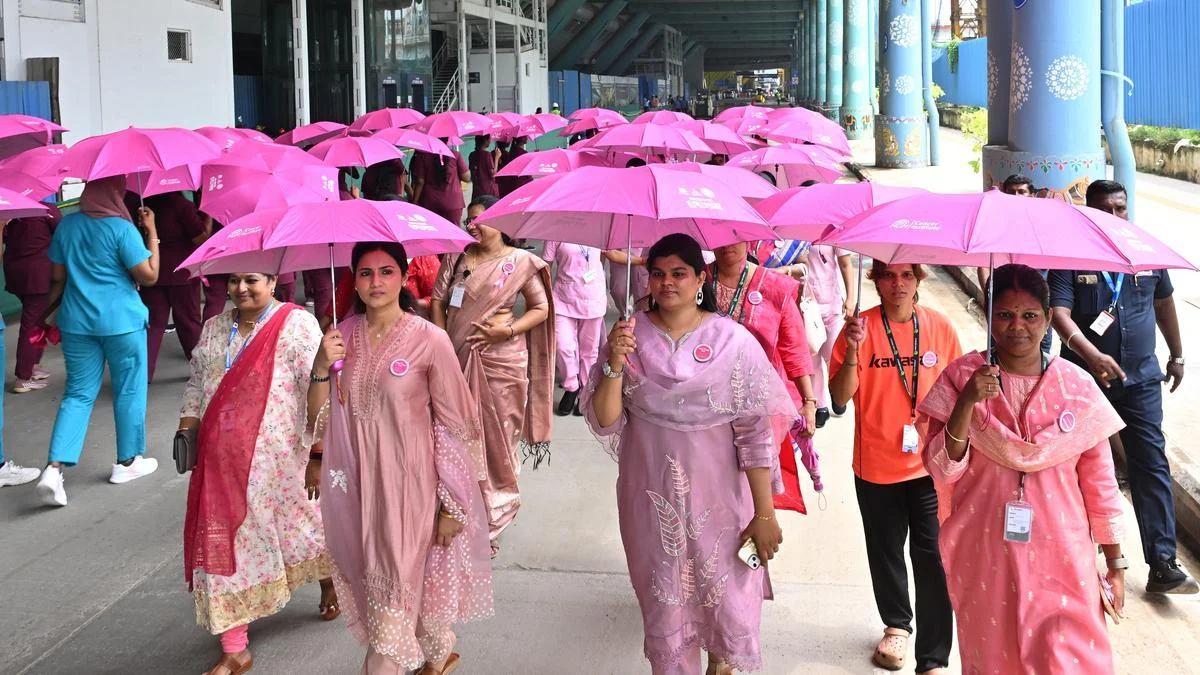
As we move forward, the "Pink Umbrella" of awareness must expand. While the walks and the fundraising remain vital to supporting those currently in the fight, the long-term solution lies in education that starts long before a screening appointment.
We must move toward a model of health that treats the body as a holistic system. The separation between "lifestyle diseases" and "cancer" is an artificial one. By recognizing that the same metabolic pathways that govern diabetes and heart health also influence the development of breast cancer, we can create a more robust, preventative approach to oncology.
This is the next chapter of the breast cancer conversation. It is a transition from the reactive to the proactive, from the clinical to the lifestyle-oriented, and from the narrow focus on detection to the broader focus on total metabolic wellness. As we look at the data, the conclusion is clear: the healthiest breast cancer campaign is one that prioritizes the metabolic health of the entire population, ensuring that the pink ribbon of the future is supported by a foundation of strength, nutrition, and informed living.