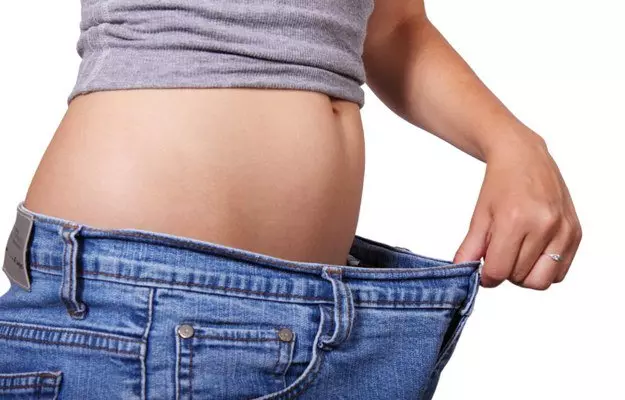
Reducing abdominal fat is one of the most common health goals globally, yet it remains one of the most misunderstood. Unlike subcutaneous fat found elsewhere on the body, belly fat—particularly visceral fat—is metabolically active and linked to significant health risks, including type 2 diabetes, cardiovascular disease, and metabolic syndrome. Achieving a flatter stomach is not merely an aesthetic pursuit; it is a vital step toward long-term metabolic health.
This guide explores the science behind fat loss, the necessity of a structured diet, and the lifestyle modifications required to achieve lasting results.
The Science of Visceral Fat: Why It Matters
Visceral fat is stored deep within the abdominal cavity, wrapping around vital organs like the liver, pancreas, and intestines. Unlike the fat just beneath your skin (subcutaneous), visceral fat is highly active. It releases inflammatory markers and hormones that can disrupt your body’s normal function.
Chronology of Metabolic Change
When you embark on a weight-loss journey, your body does not immediately "target" the belly. Fat loss is a systemic process governed by a caloric deficit.
- Phase 1 (The Initial Shift): During the first few weeks, the body primarily loses water weight and stored glycogen.
- Phase 2 (Fat Oxidation): As the body adapts to a consistent caloric deficit, it begins to oxidize stored fat for energy.
- Phase 3 (Visceral Reduction): With sustained effort and consistent nutrition, the body eventually taps into deep visceral fat reserves, leading to a measurable reduction in waist circumference.
The Pillar of Nutrition: A Strategic Diet Chart
There is no "magic" food that spot-reduces belly fat. However, certain dietary patterns can significantly accelerate fat oxidation and improve insulin sensitivity.
1. Prioritize Protein Intake
Protein is the most important macronutrient for weight loss. High-protein diets increase the release of the fullness hormone (PYY), which reduces appetite. Additionally, protein boosts your metabolic rate and helps you retain muscle mass during weight loss. Aim to include lean sources like eggs, lentils, chicken breast, or tofu in every meal.
2. Fiber: The Secret Weapon
Soluble fiber absorbs water and forms a gel that slows down food as it passes through your digestive system. Studies show that soluble fiber may help you lose fat by making you feel full, naturally leading you to eat less. Incorporate flax seeds, shirataki noodles, Brussels sprouts, avocados, and blackberries.
3. Minimize Refined Carbohydrates
The consumption of refined carbs (white bread, sugary drinks, pastries) is directly linked to increased visceral fat. Replacing refined carbs with whole grains or complex vegetables stabilizes blood sugar levels and prevents the insulin spikes that encourage fat storage.
Lifestyle Modifications and Exercise
Nutrition alone is often insufficient. To change body composition, you must integrate physical activity that targets both muscle maintenance and caloric expenditure.
High-Intensity Interval Training (HIIT)
HIIT involves short bursts of intense activity followed by brief recovery periods. This method is highly effective for burning calories and improving metabolic health. It is particularly beneficial for those with limited time, as it continues to burn calories even after the workout is complete—a phenomenon known as Excess Post-exercise Oxygen Consumption (EPOC).
Strength Training
Building muscle is essential. Because muscle tissue is more metabolically active than fat tissue, increasing your lean muscle mass raises your basal metabolic rate (BMR), meaning you burn more calories at rest. Focus on compound movements like squats, deadlifts, and overhead presses.
Supporting Data: The Role of Sleep and Stress
Often overlooked, sleep and stress management are critical pillars of weight loss.

- The Cortisol Connection: Chronic stress triggers the release of cortisol. High levels of cortisol are scientifically linked to increased abdominal fat storage. Practices like meditation, yoga, and deep breathing are not just for mental peace—they are physiological interventions to control fat-storage hormones.
- The Sleep-Weight Link: Research indicates that individuals who sleep fewer than six hours a night are significantly more likely to develop abdominal obesity. Sleep deprivation disrupts hunger hormones (ghrelin and leptin), making it difficult to adhere to a healthy diet.
Official Guidelines and Medical Perspectives
Health organizations globally emphasize that weight loss should be gradual—typically 0.5 to 1 kilogram per week. Rapid weight loss is often unsustainable and can lead to muscle wasting or nutritional deficiencies.
When to Seek Professional Guidance
If you are struggling to lose weight despite a rigorous diet and exercise plan, it may be time to consult a physician. Underlying conditions, such as:
- Hypothyroidism: An underactive thyroid can slow down your metabolism.
- Polycystic Ovary Syndrome (PCOS): Often causes insulin resistance, making it harder to lose weight.
- Hormonal Imbalances: Elevated cortisol or insulin resistance can create a "weight-loss plateau."
A doctor or registered dietitian can help create a personalized plan that accounts for your specific metabolic markers.
Implications of Sustainable Habits
The goal of any diet chart or exercise program should not be a "quick fix" but a sustainable lifestyle shift. Crash diets that eliminate entire food groups are rarely successful long-term because they trigger a "rebound" effect.
Building a Long-Term Strategy:
- Consistency over Intensity: A moderate workout done consistently is better than a punishing workout done once a month.
- Hydration: Drinking adequate water can increase your metabolic rate and assist in the breakdown of fat.
- Mindful Eating: Pay attention to hunger and fullness cues. Slow down your eating to allow your brain to receive the signal that you are satisfied.
Frequently Asked Questions (FAQ)
Q: Can I target belly fat specifically?
A: No. "Spot reduction" is a myth. When you lose weight, your body loses fat from all over. However, by maintaining a consistent deficit, the body eventually prioritizes the reduction of stubborn visceral fat.
Q: Are supplements effective?
A: While some natural extracts (like green tea extract) have mild effects, no supplement replaces the need for a balanced diet and exercise. Always consult a professional before starting any supplementation.

Q: How long does it take to see results?
A: Most individuals notice changes in their energy levels within two weeks. Visible changes in body composition usually take 8 to 12 weeks of consistent adherence to a healthy regimen.
Conclusion
Reducing belly fat is a journey that requires patience, discipline, and a holistic approach. By combining high-protein, fiber-rich nutrition with resistance training, adequate sleep, and effective stress management, you can transform your body and significantly improve your long-term health outcomes. Remember, the most successful weight loss strategy is the one you can stick with for the rest of your life.
Disclaimer: This article is for informational purposes only and does not constitute medical advice. Always consult with a qualified healthcare professional before making significant changes to your diet or exercise routine.