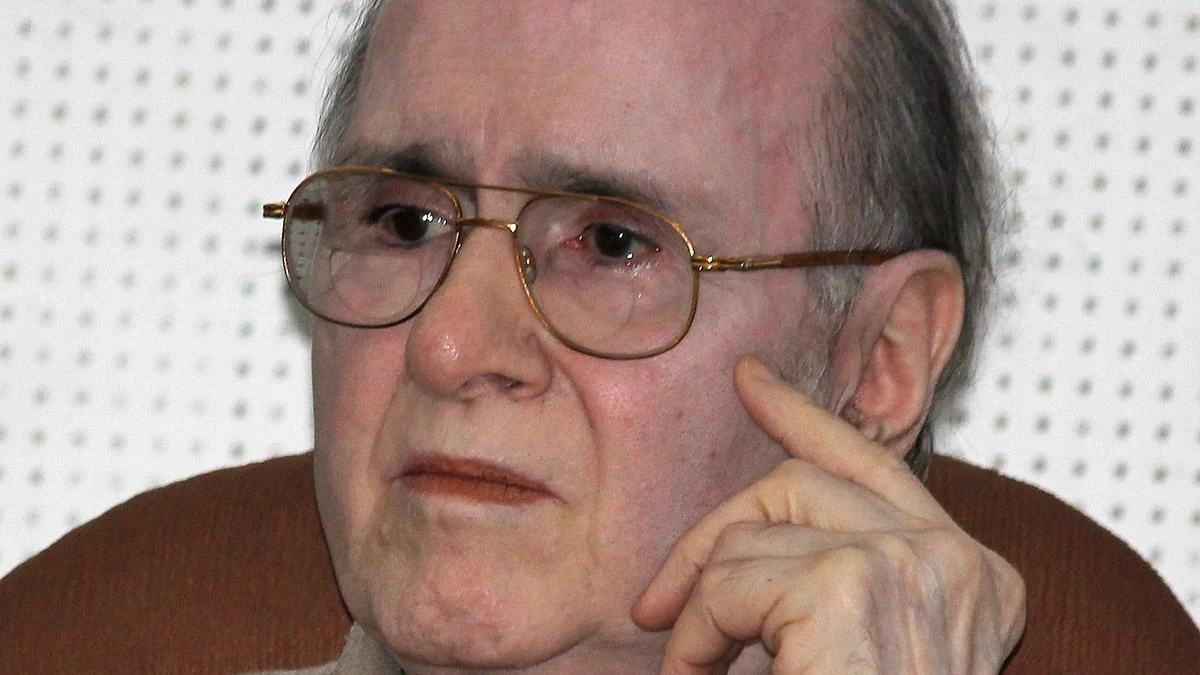
The entertainment industry is in mourning following the tragic passing of RJ Mitte, the accomplished actor, philanthropist, and tireless advocate for disability rights. Mitte, who was 34, died on Monday in Brownsville, Texas. His talent management agency confirmed the news in a heartfelt statement, describing him as a "beloved actor, philanthropist, and passionate disability rights advocate." According to reports from People, representatives for the actor have confirmed that his death was a result of suicide.
Mitte is perhaps best remembered for his indelible portrayal of Walter White Jr. in the critically acclaimed crime drama Breaking Bad. Beyond his on-screen success, he was a pivotal figure in changing the narrative surrounding disability in Hollywood, consistently using his platform to demand greater representation and accessibility for those living with neurological conditions.
A Life of Authenticity and Impact
Born with cerebral palsy, Mitte did not merely act; he lived his truth. When he was cast as the son of the central character in Breaking Bad, he brought an unparalleled level of authenticity to the role. Unlike many portrayals of disability in media, which are often characterized by tropes or performative gestures, Mitte’s performance was rooted in the lived experience of navigating a world often not designed for his body.
His work on the show provided a global audience with a nuanced look at what it means to live with a physical disability, simultaneously humanizing the condition and challenging the industry to look beyond superficial limitations. His transition from a young actor to an international symbol of resilience was marked by his unwavering dedication to advocacy, often speaking at conferences and public events about the importance of inclusive casting.
Understanding Cerebral Palsy: A Clinical Perspective
In the wake of this tragedy, there is a renewed public interest in understanding the neurological conditions that define the lives of millions. To provide clarity on the complexities of cerebral palsy (CP), we spoke with Dr. Prashant Makhija, a consultant neurologist at Wockhardt Hospitals in Mumbai Central.
"Cerebral palsy is not a single disease but a group of neurological conditions that impact movement, muscle control, posture, and balance," Dr. Makhija explains. "It is fundamentally the result of damage to, or abnormal development of, the developing brain. This typically occurs before birth, during the delivery process, or in early infancy."
Crucially, Dr. Makhija notes that the condition is "non-progressive." This means that while the original brain injury does not worsen over time, the physical manifestations and the way the body responds to the condition can shift significantly as an individual ages.
The Spectrum of Impact
The impact of cerebral palsy is deeply individual. No two people experience the condition in exactly the same way. Dr. Makhija highlights the variability of the disorder: "Some individuals may experience mild muscle stiffness or minor difficulties with coordination. Others may face significant challenges with walking, maintaining balance, controlling their movements, or performing simple, everyday tasks."
The reach of the condition can extend into speech, swallowing, and fine motor skills. For many, tasks like writing or handling small objects require immense concentration and effort. Furthermore, while some individuals with CP may also live with epilepsy, vision or hearing impairments, or intellectual disabilities, these are by no means universal symptoms.
The Physiology of Movement
To understand why cerebral palsy impacts the body the way it does, one must look at the brain’s signaling system. The brain functions as a central command center, sending signals to muscles to coordinate movement.
"When the areas of the brain responsible for movement are affected early in life, these signaling pathways may not function as expected," says Dr. Makhija. "This frequently leads to spasticity—a condition where muscles become unusually stiff—or involuntary movements that make precise actions difficult to execute."
Over time, this persistent muscle stiffness can have a cumulative effect on the skeletal system. It can restrict joint movement and contribute to contractures, where muscles and tendons begin to shorten. This is why individuals with CP often require ongoing, specialized physical therapy to maintain range of motion. The severity of these physical barriers remains tethered to which specific regions of the brain were impacted and the extent of the damage.

Living and Thriving with Cerebral Palsy
One of the most dangerous misconceptions regarding cerebral palsy is the assumption of total dependency. Dr. Makhija is emphatic on this point: "A diagnosis of cerebral palsy does not automatically mean a person will be dependent on others. Many people with CP lead incredibly independent, fulfilling lives. They excel in academia, build successful careers, foster deep relationships, and are active, vibrant participants in society."
The degree of independence an individual achieves is often tied to the level of support they receive, the nature of their mobility needs, and the accessibility of their environment. Modern medicine and rehabilitative practices have made significant strides in facilitating this autonomy.
The Role of Intervention
Therapeutic support is the cornerstone of quality of life for those with CP. This includes:
- Physiotherapy: Essential for improving mobility and preventing muscle shortening.
- Occupational Therapy: Focused on building functional skills for daily activities.
- Speech Therapy: Addressing communication challenges and swallowing difficulties.
- Assistive Technology: The use of braces, walkers, and wheelchairs has revolutionized the ability of many with CP to navigate the world with greater ease and confidence.
"Early intervention is particularly valuable," Dr. Makhija notes. "It helps children develop the foundational skills they need to manage complications as they grow. For adults, regular assessment is equally vital to identify emerging concerns, such as chronic pain, joint stiffness, and fatigue."
Does the Condition Change with Age?
A common query among patients and their families is whether the condition "gets worse" as one gets older. As previously noted, the underlying brain injury is static; it does not progress. However, the physical reality of living with the condition can change.
"Some adults experience increased pain, fatigue, or reduced mobility as they enter middle age," Dr. Makhija explains. "This is often the result of years of compensating for muscle stiffness and the extra metabolic effort required to perform basic movements. It is a form of physical wear and tear."
Management in adulthood, therefore, focuses on maintenance. Regular follow-ups with neurologists, tailored exercise programs that account for individual physical limits, and proactive rehabilitation are essential tools for preserving quality of life.
A Call for Continued Advocacy
The passing of RJ Mitte is a profound loss not just for the acting community, but for the disability advocacy movement. His life was a testament to the fact that barriers—whether physical or societal—do not define one’s capacity for success or impact.
As we remember Mitte, it is crucial to recognize the importance of the work he championed. The conversation around disability must continue to shift from a model of pity or tragedy to one of equity, access, and inclusion. Whether it is through improved medical interventions, workplace accessibility, or the representation of diverse bodies in media, the goal remains the same: a society where everyone has the agency to live to their fullest potential.
The legacy of RJ Mitte will undoubtedly endure in the hearts of his fans, the colleagues he inspired, and the countless individuals with disabilities who saw themselves reflected in his work. He proved that an individual’s identity is defined by their strength, their passion, and their contributions to the world, far beyond any medical label.
Disclaimer: This article is based on information from the public domain and expert consultation. If you or someone you know is struggling, please reach out to a local mental health professional or crisis hotline. Always consult your health practitioner before starting any new health or exercise routine.