
In the modern digital landscape, the line between public relations and search engine optimization has effectively vanished. For years, these disciplines operated in distinct territories: PR was the realm of brand sentiment and media relations, while SEO lived in the world of crawl budgets, keyword density, and technical site health.

Today, that separation is a liability. Google’s algorithms and the rapidly evolving ecosystem of Large Language Models (LLMs) like ChatGPT, Claude, and Gemini rely on the same fundamental currency: third-party signals. Whether it is backlinks, brand mentions, expert commentary, or coverage in trusted publications, search engines and AI systems use these markers to determine which brands are authoritative and which are merely background noise.
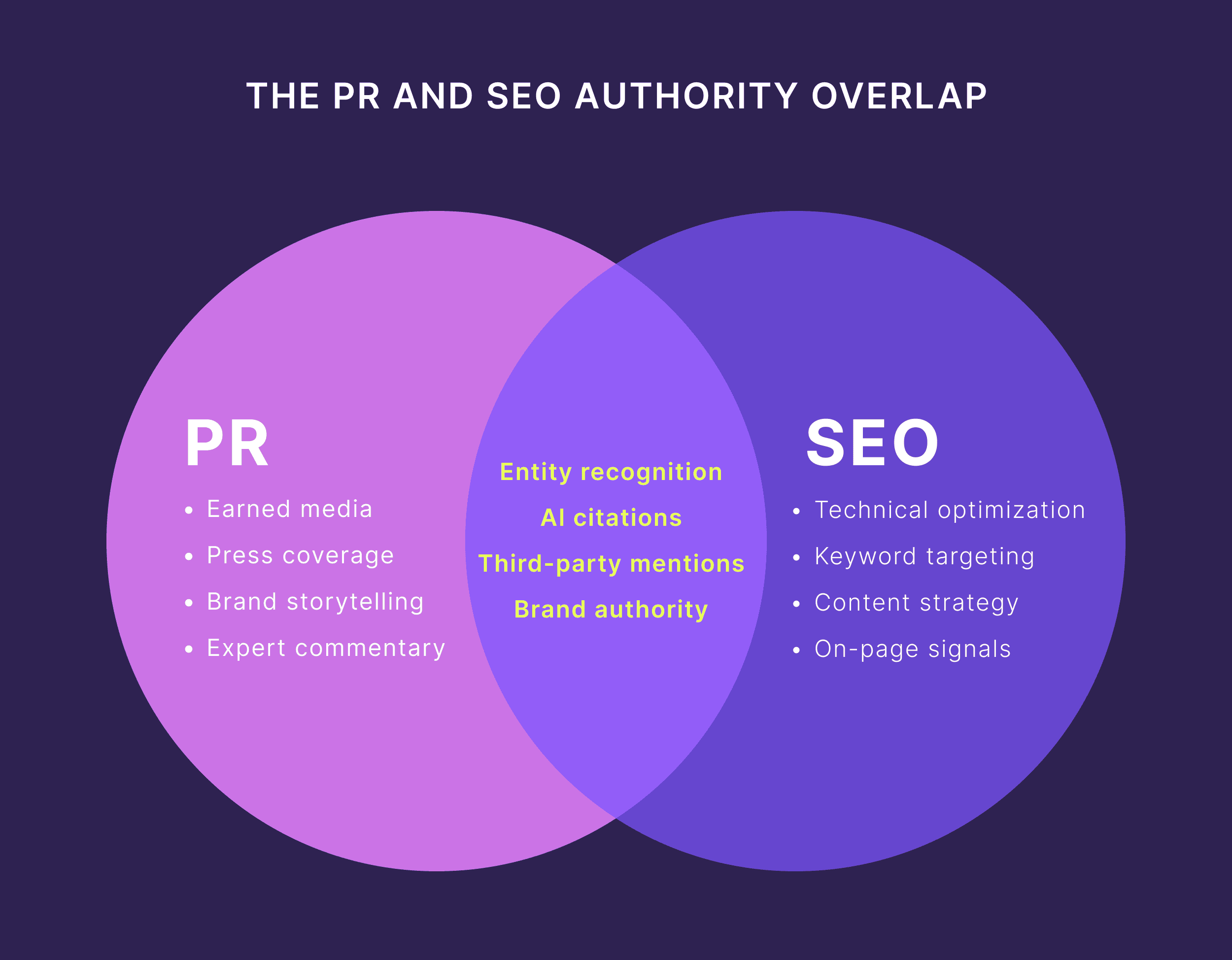
When PR and SEO teams operate in silos, they leave significant authority on the table. When they operate as a unified engine, they create an "always-on" authority feedback loop that compound results across search, social, and generative AI.
The Convergence of Authority: Why Alignment Matters
The primary reason for this convergence is the way AI search systems function. Unlike traditional search, which provided a list of links, answer engines provide synthesized answers based on what they perceive to be the most reliable sources.
When your teams are aligned, you aren’t just ranking for keywords; you are becoming the "entity" that AI models reference when answering user queries. However, most organizations still treat PR as a simple link-building faucet. This is a mistake. Real, sustainable growth happens when PR’s outreach and SEO’s data intelligence inform one another at the ideation stage.
A Five-Step Playbook for Unified Authority
To transform your PR and SEO operations into a single authority engine, you must bridge the gap between creative storytelling and data-driven strategy.
Step 1: Align Research and Intelligence
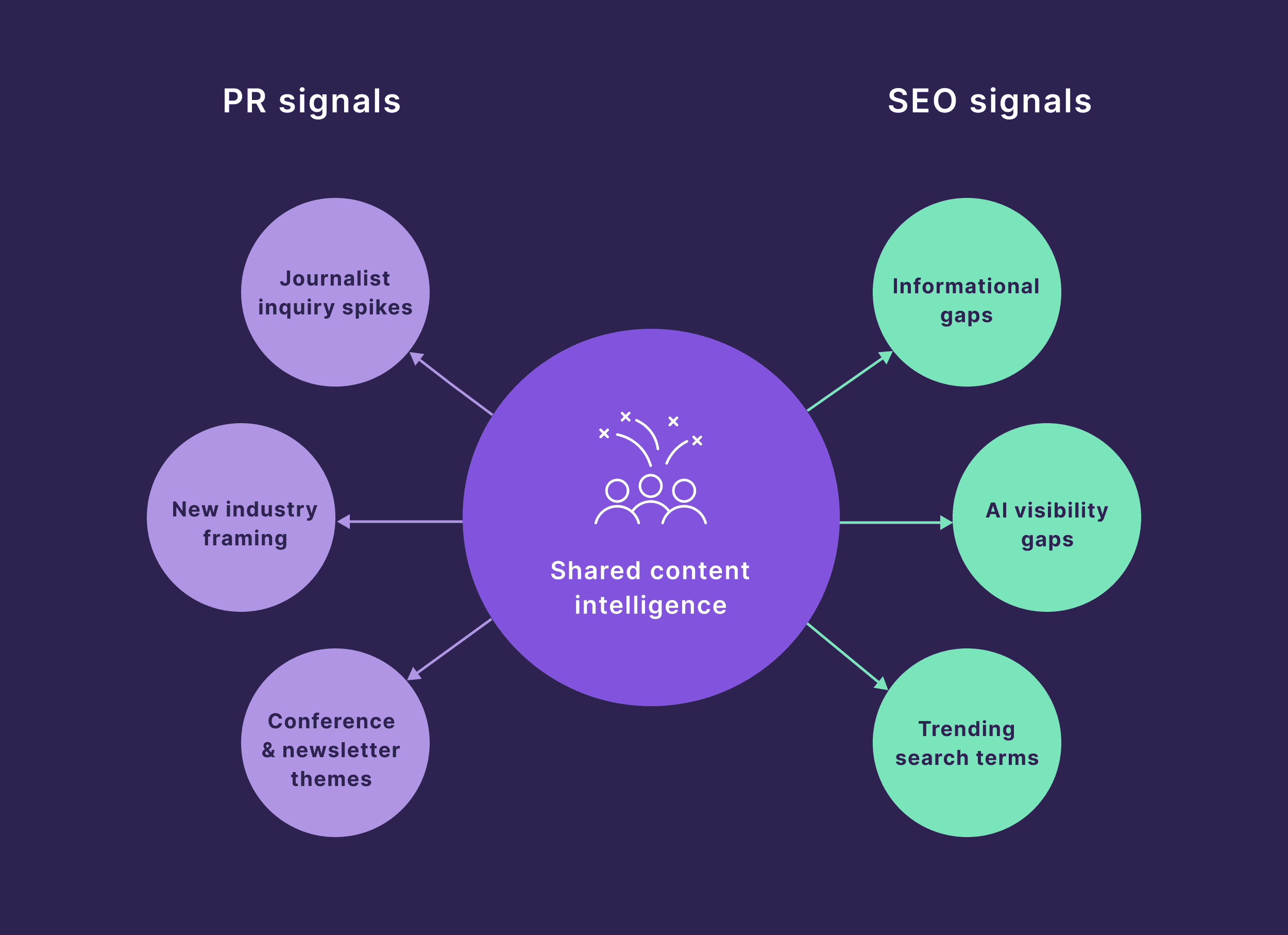
Shared intelligence is the foundation of the partnership. Without it, you end up with predictable gaps: SEO teams create content for keywords that have no cultural relevance, and PR teams pitch stories that have no path to capturing search intent.
The Strategy:
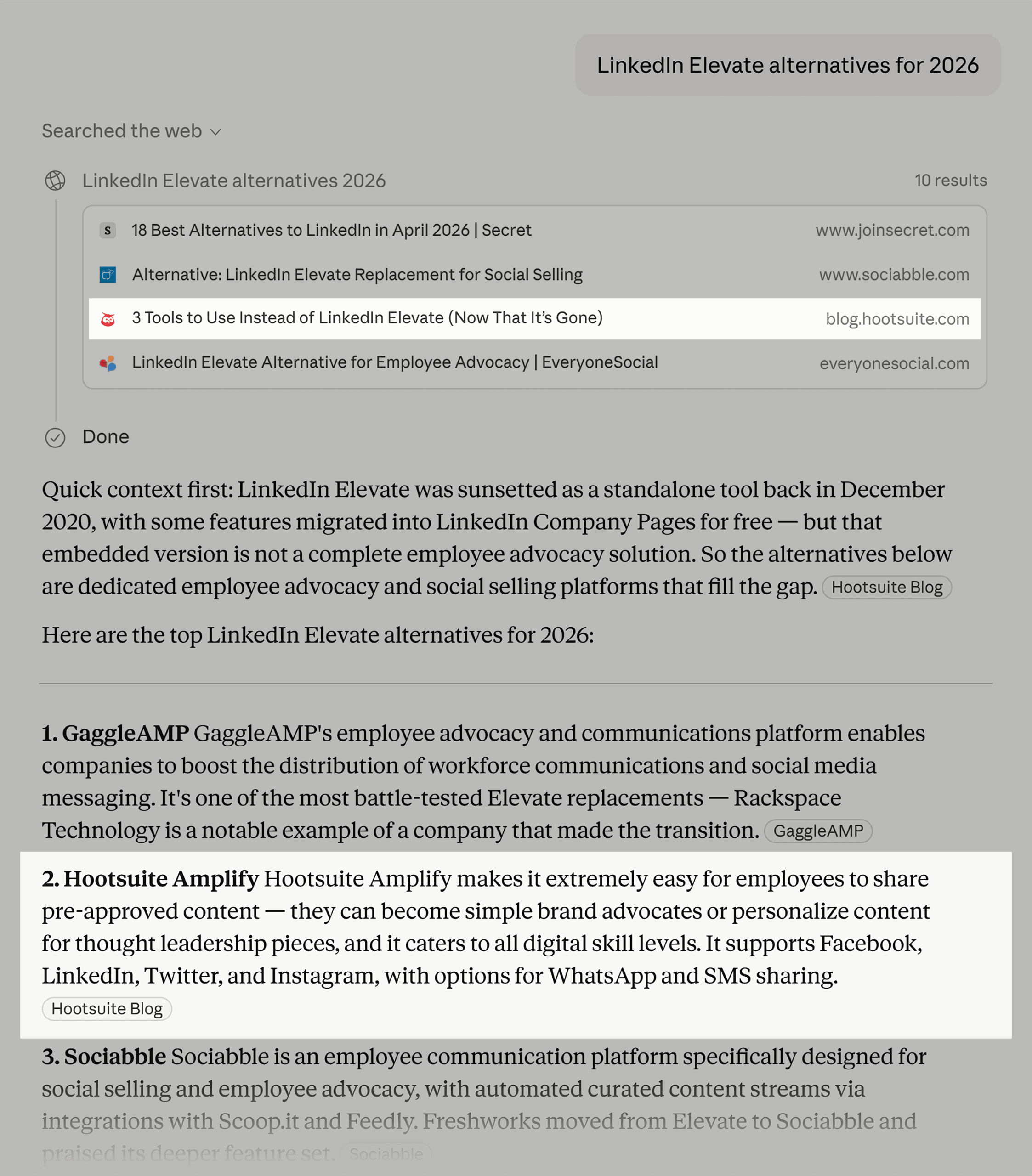
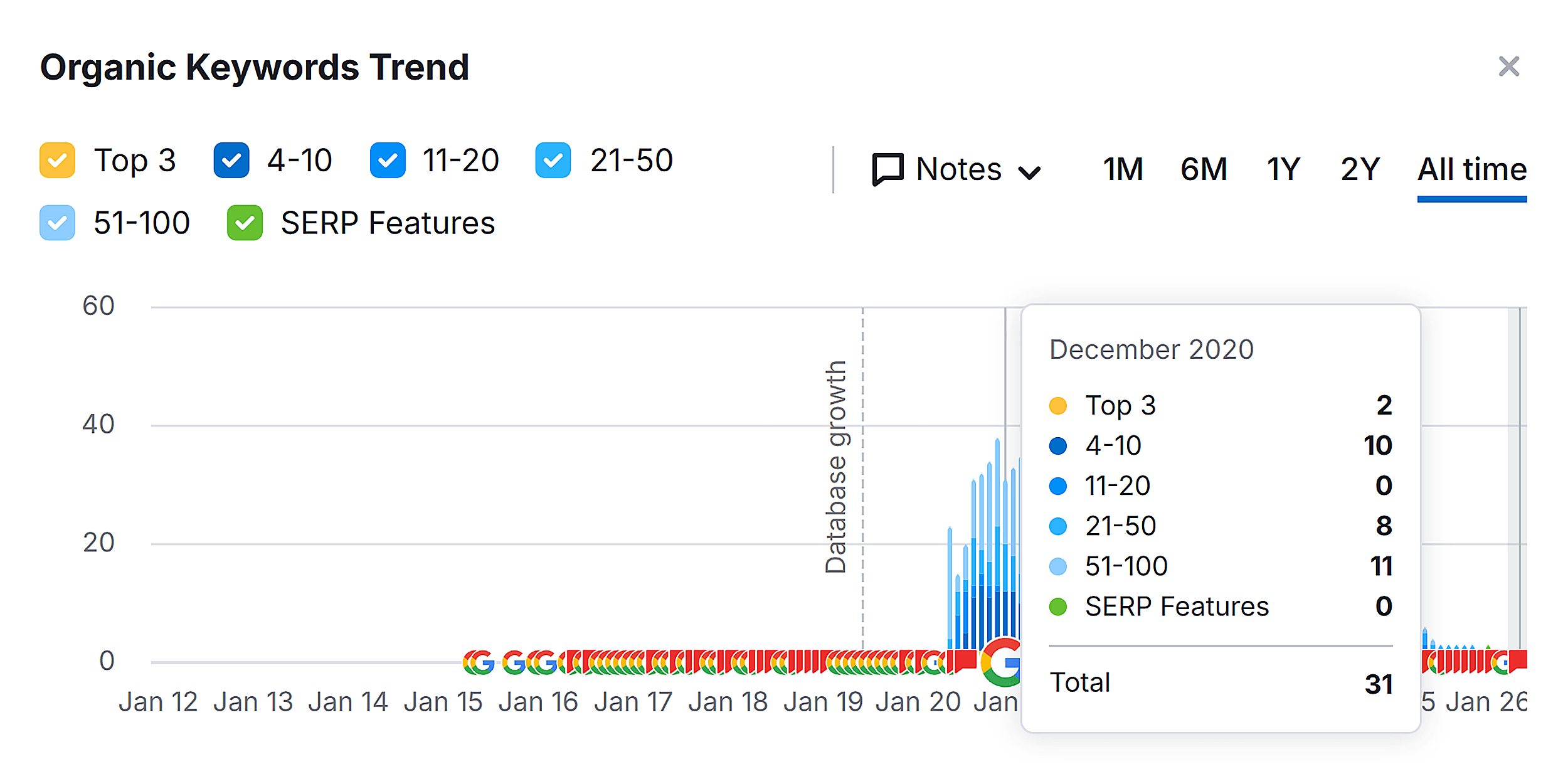
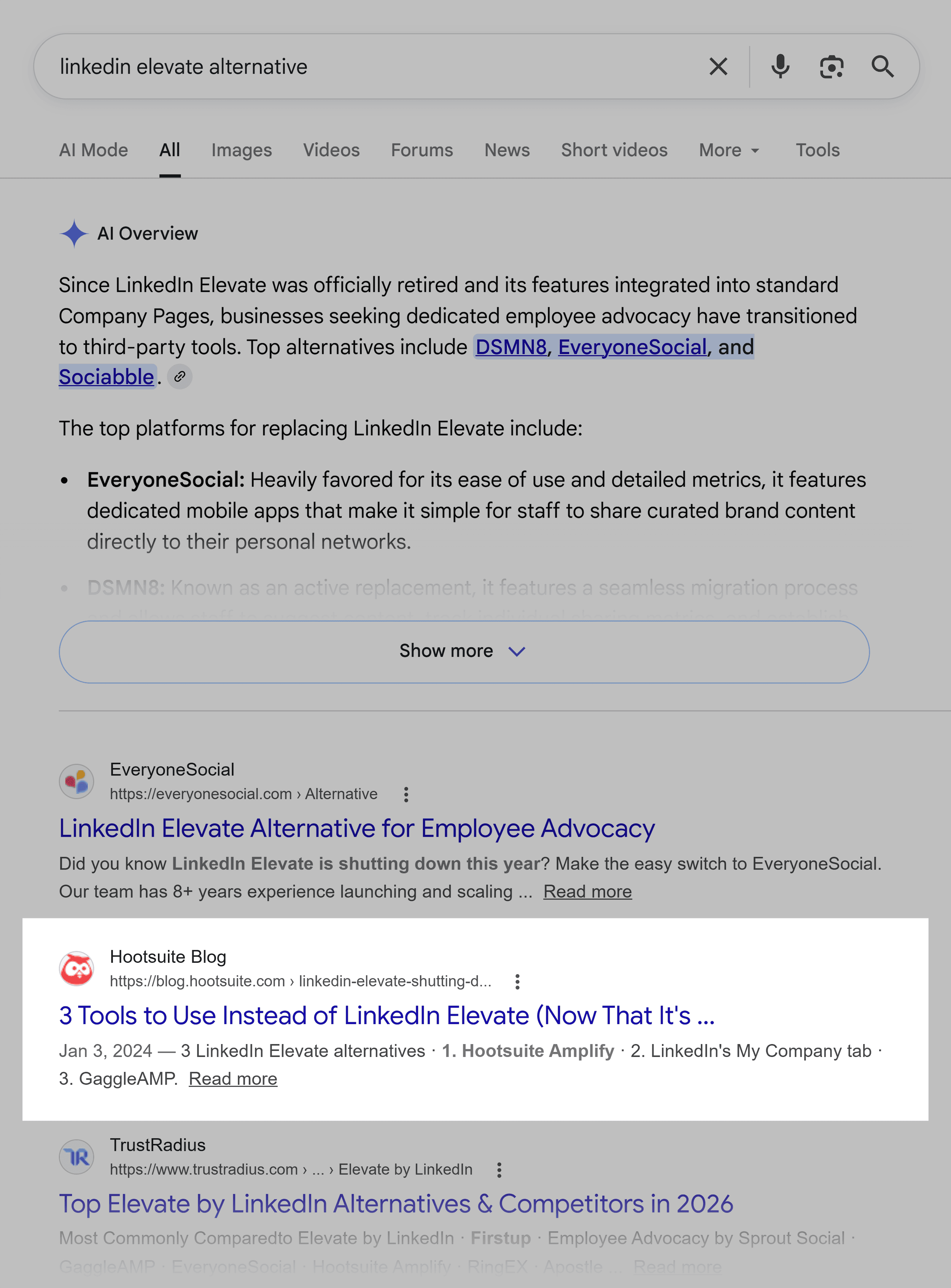
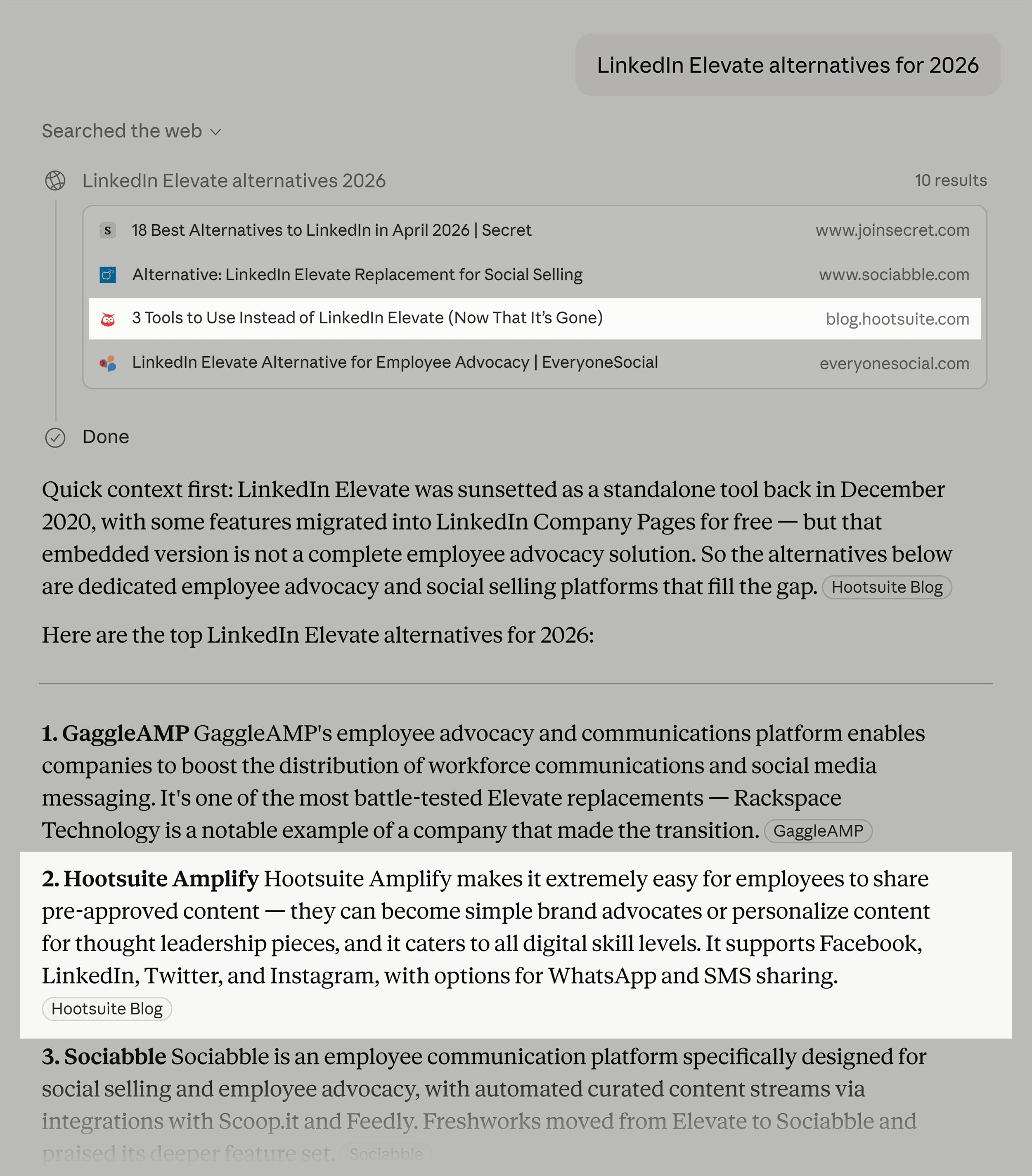
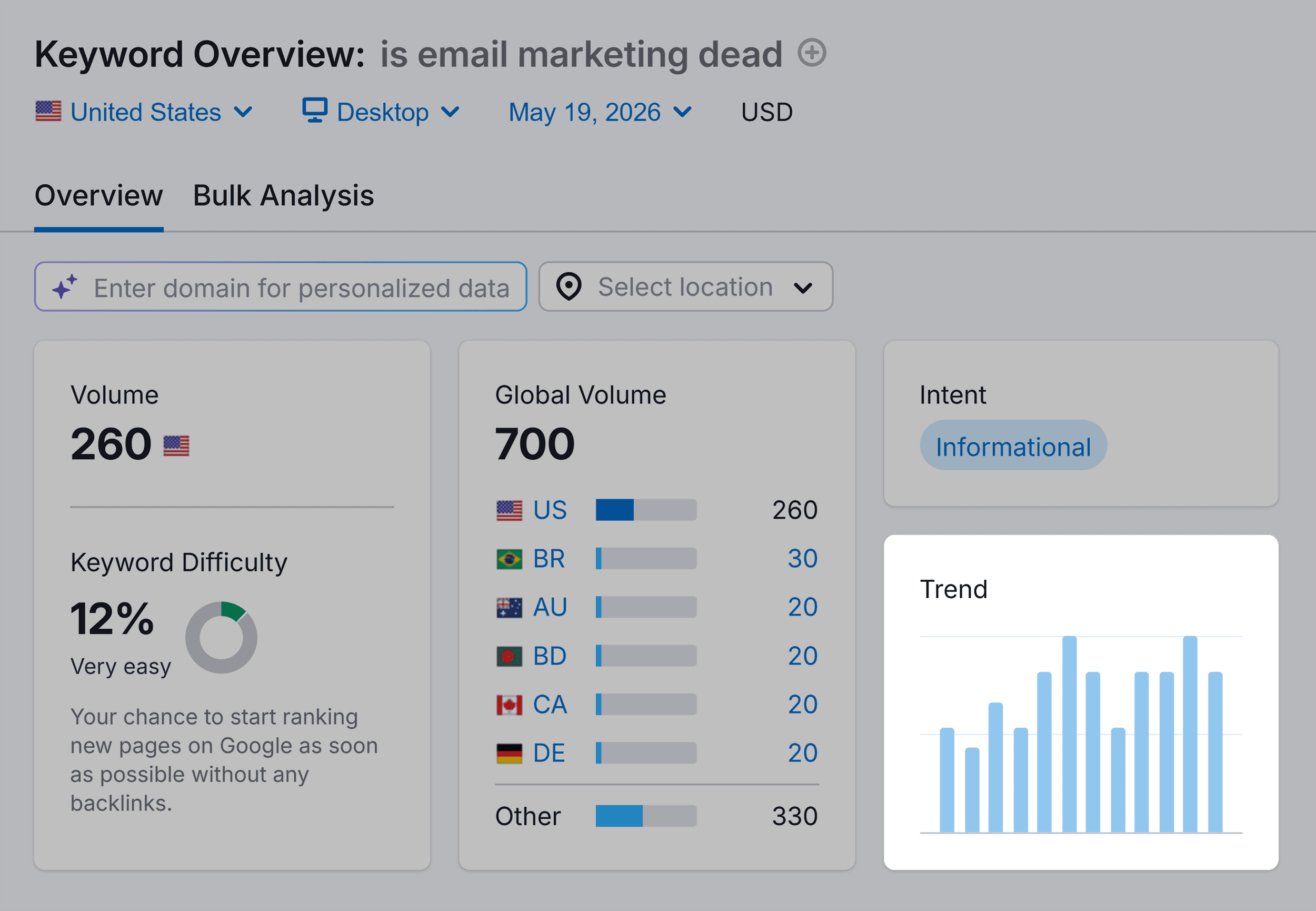
- Identify Emerging Trends: PR teams should flag recurring themes from trade conferences, journalist inquiries, and industry newsletters. If PR notes that "LinkedIn Elevate" is being sunset, SEO can immediately build a page for "LinkedIn Elevate alternatives." Even if search volume is zero today, you establish a first-mover advantage that captures the traffic when the trend hits the mainstream.
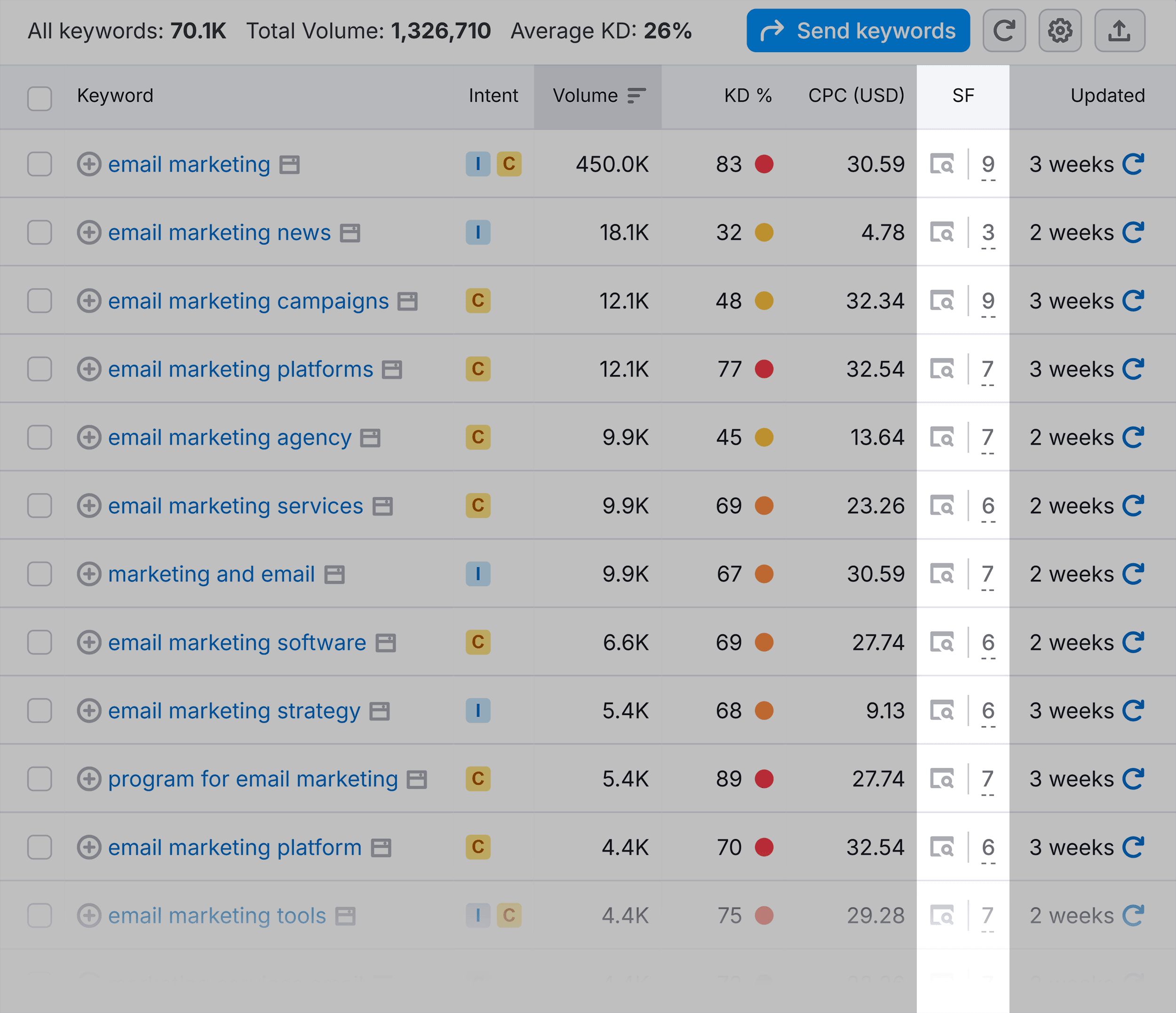
- Leverage Keyword Data for PR: SEO should provide PR with "SERP Features" data. If a specific keyword shows "Top Stories" or "People Also Ask" boxes, it is a high-priority signal for PR to target that topic, as Google has essentially told you that news-style coverage is the preferred content format for that search term.
Step 2: Collaborate on AI-Ready Assets
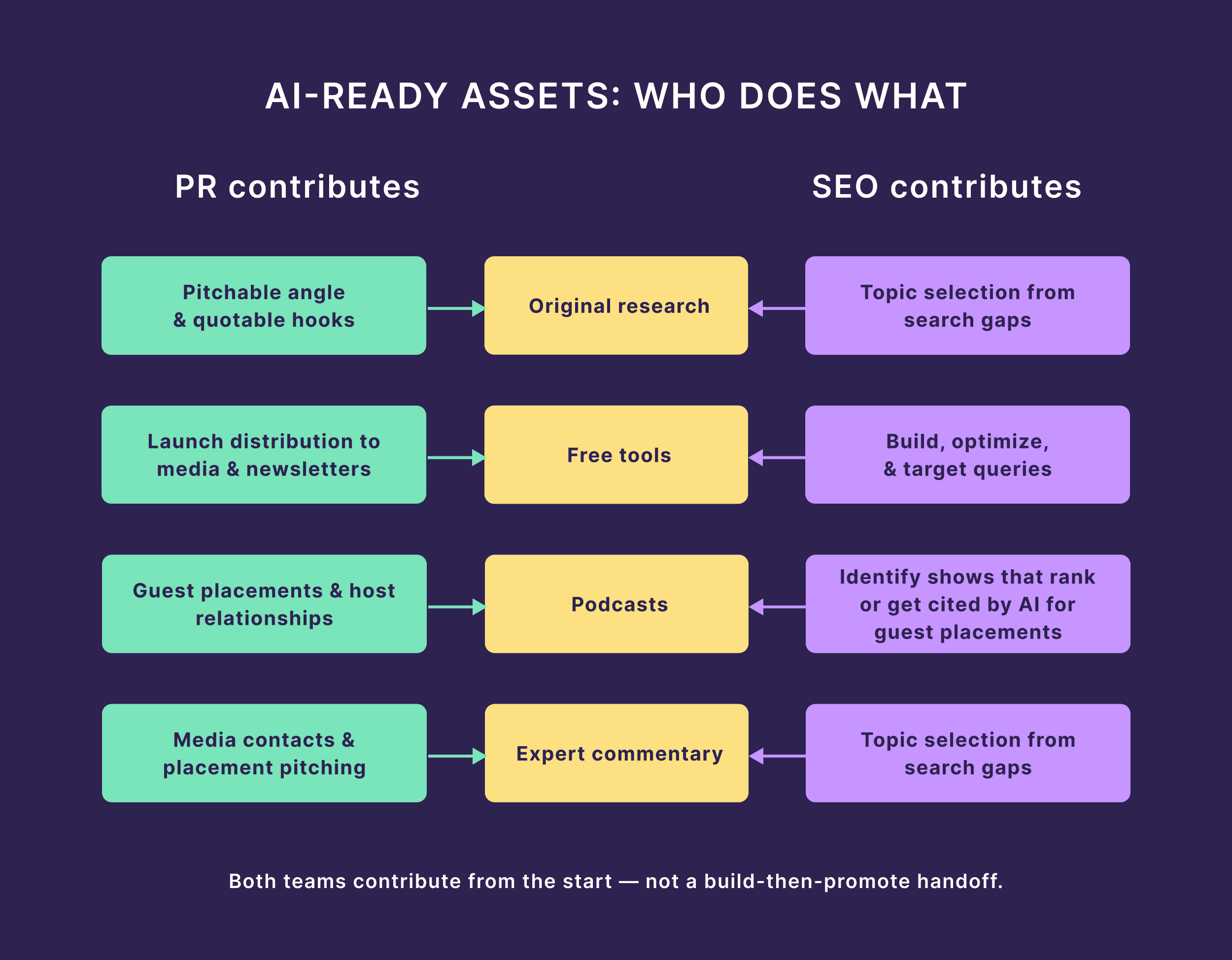
An "AI-ready" asset is one built to be cited. This is often referred to as Answer Engine Optimization (AEO).

Key tactics include:
- Front-loading stats: AI models extract information most efficiently from the top of an article.
- Structured methodology: If you publish original research, include a dedicated "Methodology" section. AI systems prioritize pages that explain how data was collected, as it increases the perceived reliability of the source.
- No Gating: High-value assets should live on indexable, non-gated landing pages. A PDF-only whitepaper is a black hole for SEO; a landing page is an authority beacon.
Step 3: Co-Build Your Third-Party Presence
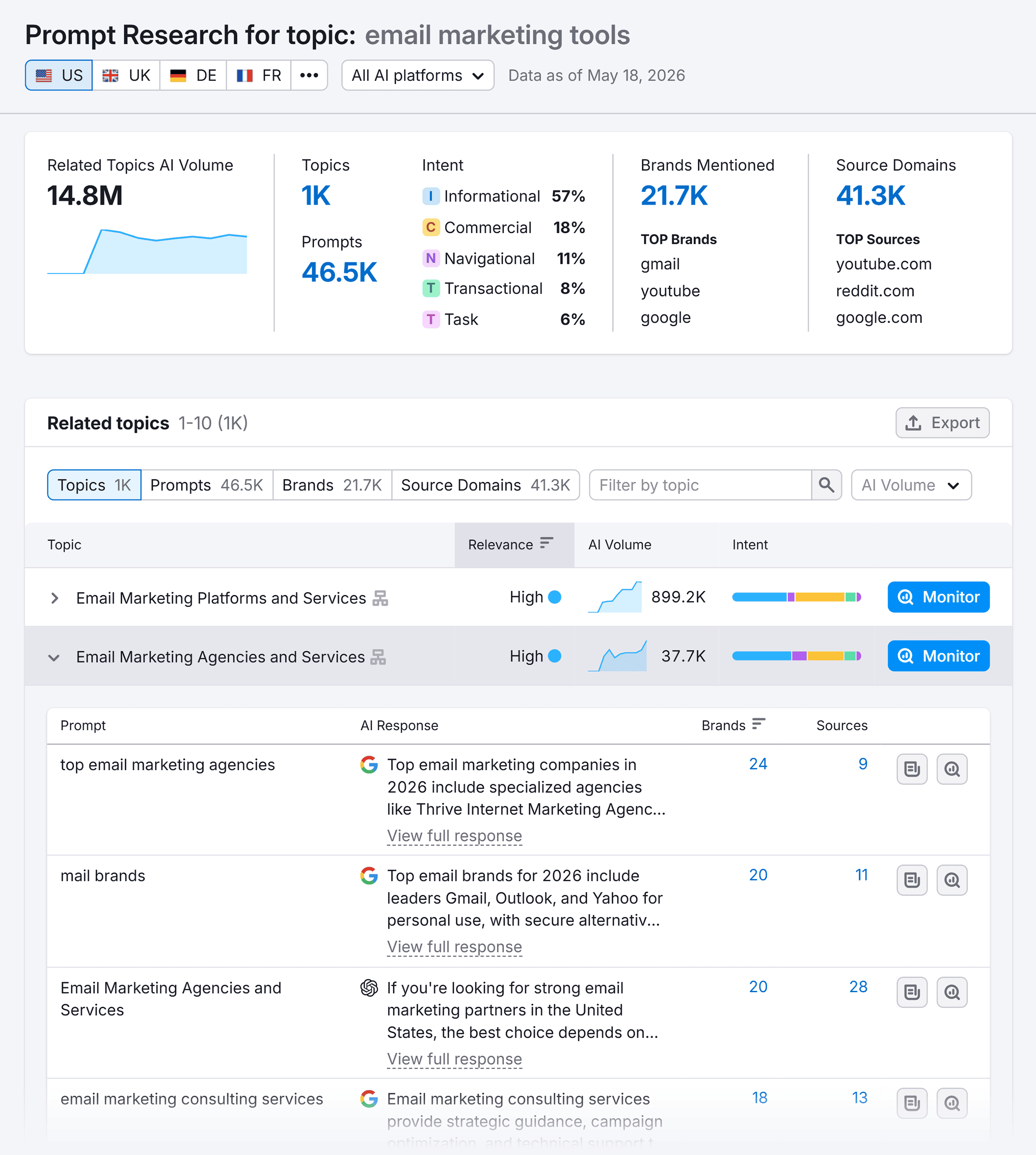
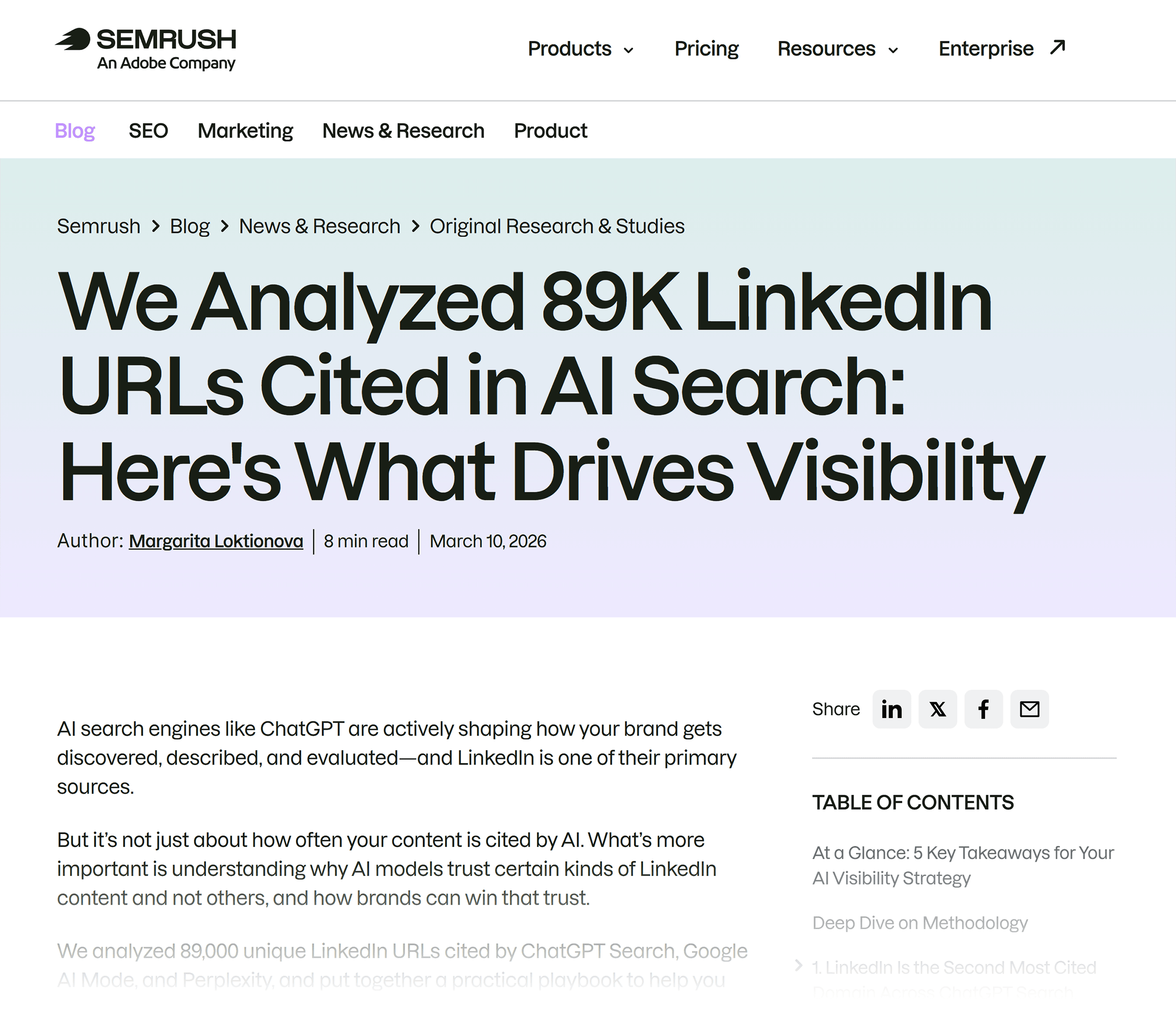
Research suggests that brands are 6.5x more likely to appear in AI answers through third-party signals than their own content.
The Action Plan:
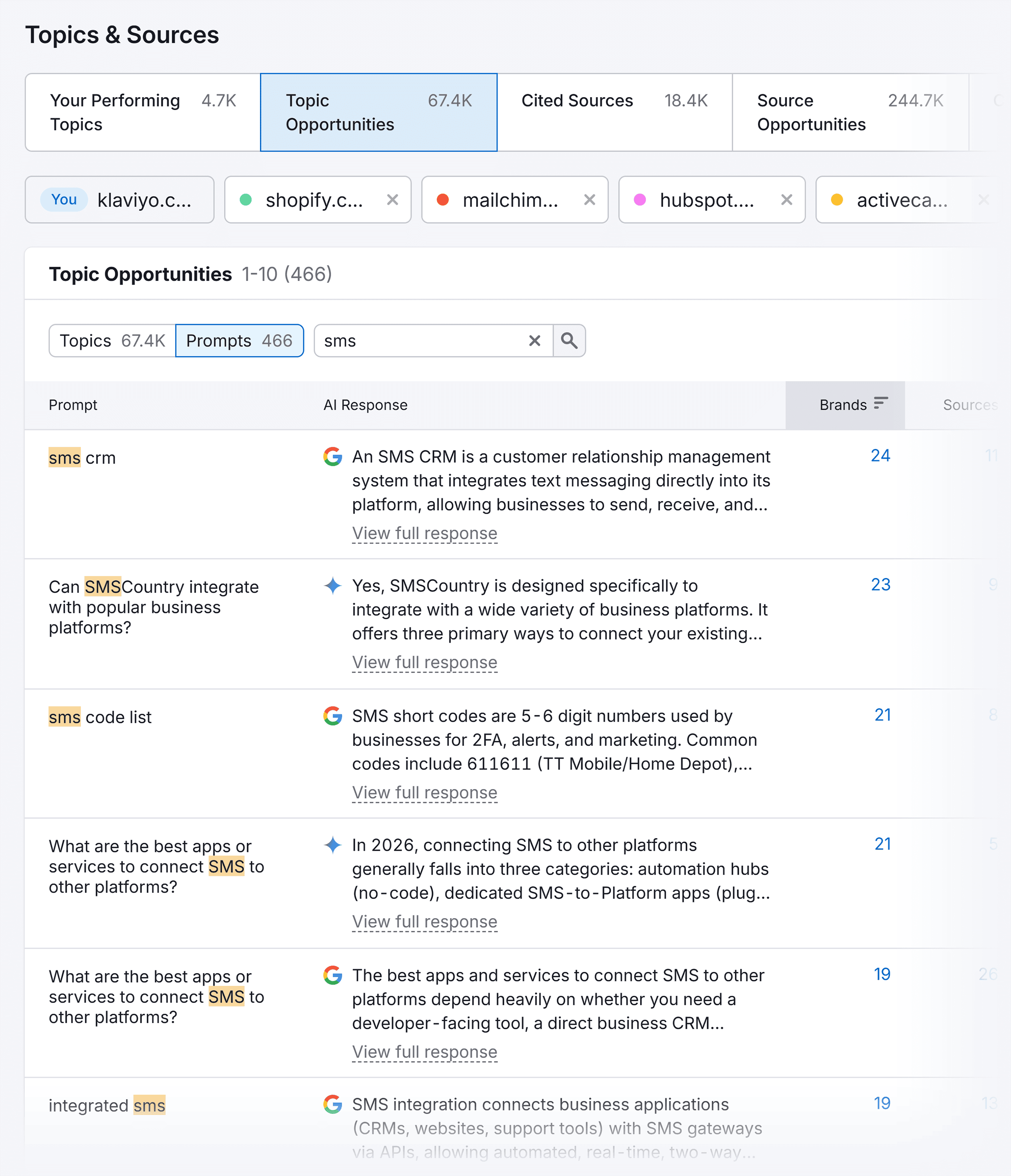
- Expert Commentary: Move beyond generic "thought leadership." PR should pitch experts who have specific, data-backed quotes. When an expert is cited in a high-authority publication, that link or mention builds the brand’s E-E-A-T (Experience, Expertise, Authoritativeness, and Trustworthiness).
- Review Site Dominance: AI systems rely heavily on G2, Trustpilot, and Yelp to compare products. PR should manage these profiles to ensure sentiment is high, while SEO monitors them to ensure the brand’s core features and pricing are accurately represented in the text AI parses.
- Wikipedia Strategy: A Wikipedia page acts as a "truth anchor" for AI models. While you cannot self-promote on Wikipedia, PR can generate the "notability" required for a page to exist by securing significant, independent coverage in top-tier publications like Forbes or The New York Times.
Step 4: Unify the Outreach Strategy
Avoid mixed messages by creating a shared pitch document. This document should contain:
- Headline Stats: The primary data points.
- Positioning Language: The agreed-upon brand messaging.
- Target URLs: The specific pages you want to drive traffic to.
Division of Labor:
- SEO: Handles structured, technical outreach, such as broken link building, inclusion in listicles, and fixing unlinked brand mentions.
- PR: Handles editorial, relationship-based placements, such as analyst briefings (Gartner/Forrester), podcast guest slots, and award submissions.
Step 5: Unified Reporting
Do not try to force PR and SEO into one dashboard. Instead, force them to answer the same questions about every piece of content:
- Did this move the needle on our Share of Voice?
- Did this lead to a direct or assisted conversion?
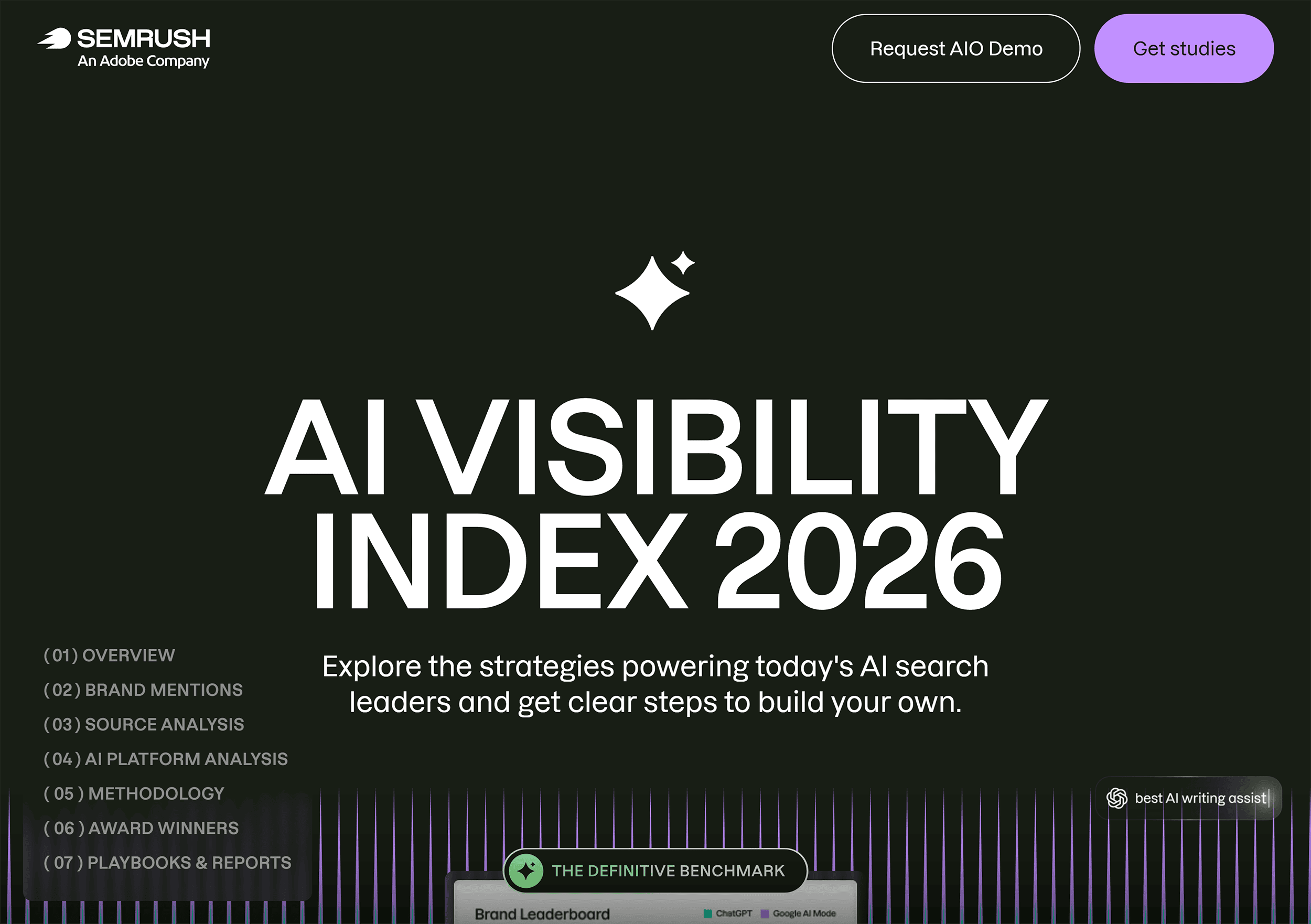
- Are we being cited by AI for this topic?
Implications for the Future of Search
The rise of generative AI has fundamentally changed the search landscape, decreasing traditional click-through rates. In this environment, branded search—the number of people specifically searching for your company name—has become the most critical metric for success.
When a user searches for your brand name rather than a generic keyword, they have already been "sold" by your PR and SEO efforts. This represents the ultimate victory in the attention economy.
By aligning PR and SEO, companies are no longer just fighting for rank; they are fighting to become the authoritative source that powers the future of AI-driven discovery. The organizations that succeed in the next five years will be those that treat their brand narrative and their data signals as one and the same.