By Editorial Staff
October 11, 2026
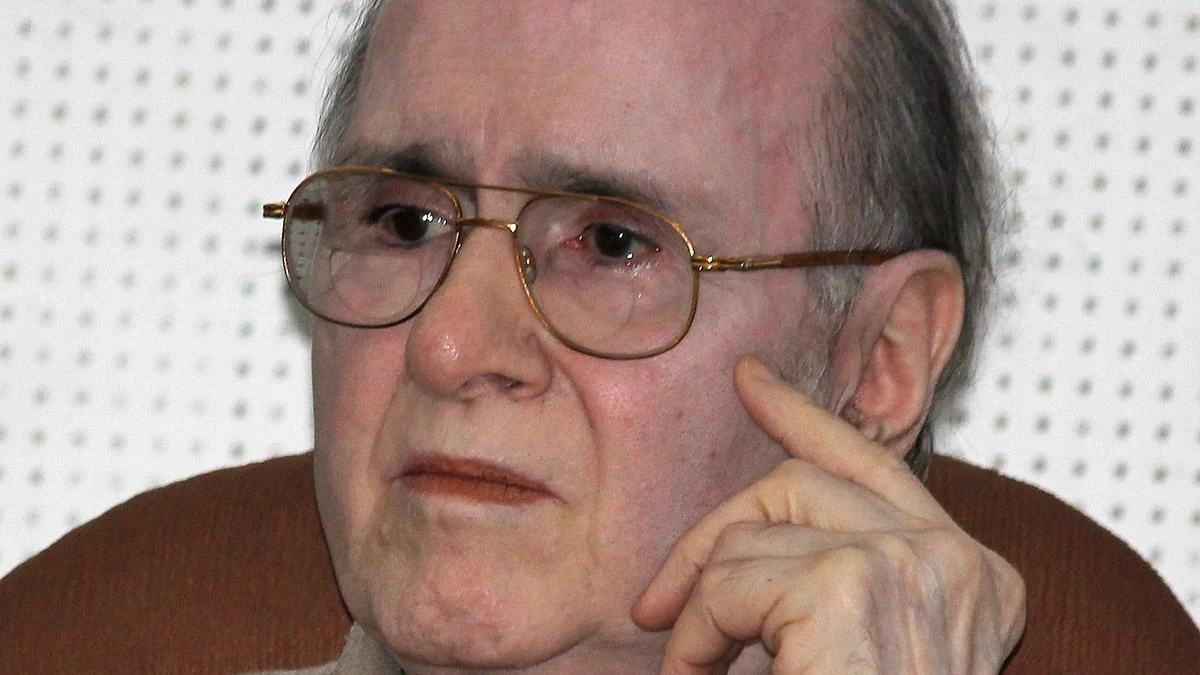
In an era dominated by the rapid digitization of healthcare and the ubiquity of high-resolution diagnostic imaging, the fundamental human connection between physician and patient often faces the threat of erosion. To combat this, the medical community in Chennai and beyond is set to embark on a year-long celebration marking the birth centenary of one of India’s most revered clinicians, educators, and humanitarians: the late Dr. K. Vardachari Thiruvengadam.
Commencing today, October 11, 2026, the centenary year serves as more than a tribute to a distinguished career; it is a movement to reclaim the "art of medicine"—the delicate, critical balance of bedside examination, astute clinical reasoning, and the profound act of listening to the patient.
A Life Dedicated to the Bedside: The Chronology of an Icon
Born in 1926, K. Vardachari Thiruvengadam—affectionately and universally known as "KVT"—stepped into the medical landscape at a time when the profession was undergoing a seismic shift. After graduating from the Government Stanley Medical College in 1950, he began a journey that would span over three decades of teaching and clinical practice.
His career trajectory was defined by an unwavering commitment to the public sector. Having served at both his alma mater and the Madras Medical College, Prof. KVT spent years working among the most marginalized segments of society. To KVT, medicine was never merely a technical pursuit; it was a profound social responsibility.
- 1950: Graduates from Government Stanley Medical College.
- 1950s–1960s: Undertakes formal training in chest diseases in the United Kingdom under the Colombo Plan, honing his diagnostic acumen.
- 1970s–1980s: Becomes a stalwart in the fields of respiratory medicine, allergies, and infectious diseases.
- 1981: Awarded the Padma Shri, one of India’s highest civilian honors, in recognition of his contributions to the field of medicine.
- Late 20th Century: Receives the prestigious Dr. B.C. Roy Award for Eminent Medical Teacher, cementing his status as a titan of medical pedagogy.
- 2026: The medical fraternity begins a year-long centenary commemoration to institutionalize his philosophy of "thoughtful medicine."
The Science of Clinical Reasoning
While KVT was a product of a pre-digital medical age, he was by no means a Luddite. He was a scientist of the highest order, publishing nearly 100 papers in esteemed national and international journals. His research was eclectic and ahead of its time, covering topics as diverse as chikungunya fever, neurological complications following influenza, and the intricate complexities of amoebiasis.
Notably, he was one of the early proponents of investigating traditional medicinal systems in the context of allergic lung and skin diseases, demonstrating a curiosity that bridged the gap between conventional evidence-based medicine and indigenous practices.
However, his true mastery lay in his approach to the bedside. Students recall that for Prof. KVT, clinical examination was never a "ceremonial ritual" performed to tick a box. It was a rigorous cognitive process. He taught his students that before ordering a single expensive test, a doctor must first listen—not just to the heartbeat, but to the patient’s narrative. He insisted that the most sophisticated diagnostic tool in any hospital was the doctor’s own brain, sharpened by a history of careful observation and logical deduction.
The Philosophical Core: Technology in Context
The centenary committee has made it clear: this year of celebration is not an indictment of modern medical technology. Rather, it is a critique of "technology without context."
In the current landscape, where a reliance on blood panels and scans often bypasses the need for a thorough physical exam, the organizers of the KVT centenary believe that medicine is losing its soul. The objective of the coming year is to re-integrate human clinical reasoning into the curriculum of medical students and postgraduate trainees.

The movement emphasizes four pillars of clinical practice:
- The Art of Listening: Prioritizing the patient’s history as the primary diagnostic key.
- Bedside Diligence: Treating the physical examination as an essential diagnostic investigation.
- Thoughtful Intervention: The philosophy of "thinking before testing" to avoid over-medicalization and unnecessary diagnostic cost.
- Humanity in Practice: Addressing the fundamental question: "What does it mean to be a good physician in an age of extraordinary technology?"
Enduring Legacy: The Teacher of Teachers
Perhaps the most significant metric of Prof. KVT’s impact is not found in his awards, but in the lineage of his students. A generation of leaders in medicine, hospital administration, and medical education credit their approach to his mentorship. He operated on the principle that knowledge is a debt to be repaid to the next generation—a philosophy he lived until his final days.
"He taught us that a doctor who does not teach is a doctor who has stopped learning," one former student noted. This sentiment is the driving force behind the upcoming national events.
Upcoming Memorial Events and Public Engagement
The centenary year will be marked by a series of academic and commemorative events designed to spark a dialogue across the medical fraternity.
On October 31, 2026, the third Prof. K.V. Thiruvengadam Memorial Oration will take place at Sree Balaji Medical College and Hospital. The guest speaker, S.R. Chandra, will address the theme: "The Patient Speaks, the Doctor Thinks and the Research Begins." This event will be held in conjunction with a national conference on movement disorders, reflecting the breadth of KVT’s interests and his commitment to ongoing research.
The organizers invite medical professionals, researchers, and students to participate in these discussions. For further information regarding the year-long schedule of seminars, workshops, and commemorative lectures, interested parties may contact:
- Dr. Ramachandran: 9443238315
- Dr. Basheer: 9840217486
Implications for the Future of Healthcare
As India continues to modernize its healthcare infrastructure, the lessons of KVT serve as a vital corrective. The "KVT approach" implies that the future of healthcare must be a hybrid model: one that utilizes the best of modern diagnostic tools while fiercely guarding the humanistic core of the profession.
Medical educators observing the centenary are hopeful that this movement will lead to a shift in how postgraduate training is structured. By focusing on the "history-taking" process and "clinical reasoning," the organizers hope to foster a new generation of doctors who are not only technically proficient but also intellectually and emotionally equipped to handle the complexities of patient care in the 21st century.
In a world where patients often feel like mere data points in an electronic health record, the memory of Prof. K.V. Thiruvengadam reminds us that the patient is a person, and the physician is their primary advocate. By returning to the basics of the bedside, the medical community is not moving backward; it is ensuring that medicine remains a compassionate, thoughtful, and fundamentally human endeavor.
As the centenary celebrations unfold over the next twelve months, the message remains clear: the best technology in the world is no substitute for a doctor who knows how to look, how to listen, and how to care.