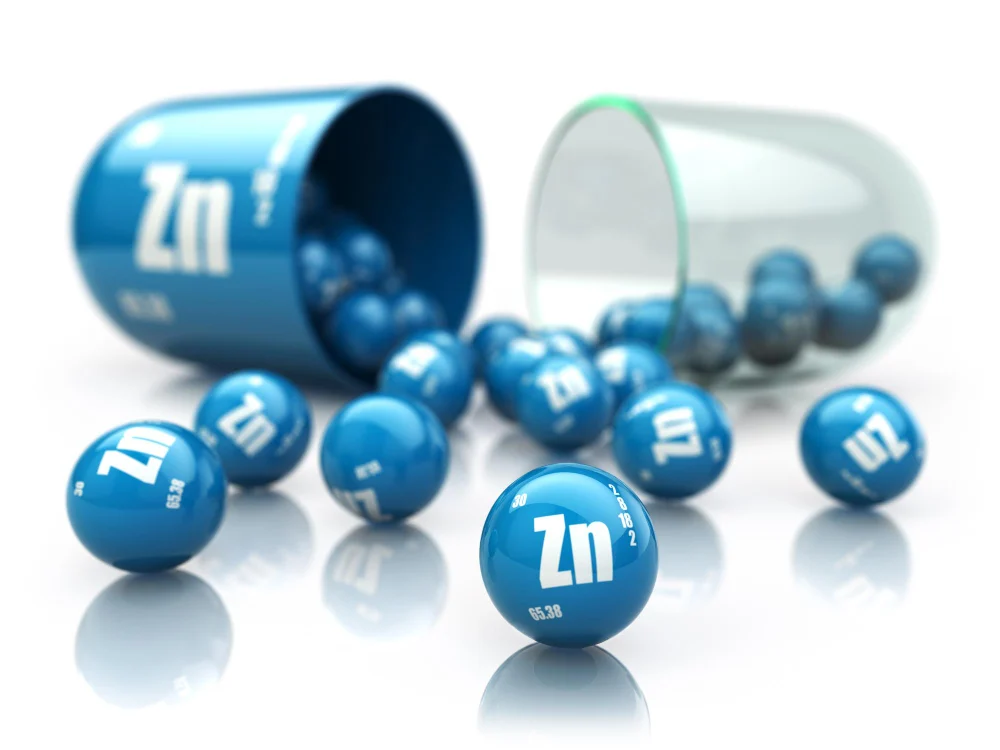
In the modern health and wellness landscape, few minerals carry the reputation of zinc. Often touted as a "silver bullet" for cold prevention and immune optimization, this essential trace mineral has become a staple in medicine cabinets worldwide. Yet, as the scientific community continues to scrutinize the nuances of micronutrient supplementation, a clearer, more complex picture emerges. While zinc is undeniably critical for life, the prevailing "more is better" philosophy regarding supplementation is not only unsupported by evidence but potentially counterproductive.
The Foundation: Why Zinc is Vital for Human Health
At a cellular level, zinc is a powerhouse. It is a fundamental component required for over 300 enzymatic reactions in the human body. Its biological reach is extensive, spanning DNA synthesis, protein production, and the structural integrity of cellular membranes. However, its most publicized role lies in its orchestration of the immune system.
Zinc acts as a gatekeeper for both innate and adaptive immunity. The innate immune system, our body’s rapid-response frontline defense, relies on zinc to maintain the function of macrophages, neutrophils, and natural killer (NK) cells. Simultaneously, it supports the adaptive immune system—the specialized branch that identifies and remembers specific pathogens—by facilitating the development and signaling of T-lymphocytes and B-lymphocytes. Without sufficient zinc, these critical immune cells falter, leaving the body vulnerable to infection and impairing the inflammatory response necessary to heal wounds and fight pathogens.

Chronology of Scientific Understanding
The scientific journey of zinc began in earnest during the mid-20th century, as researchers identified the symptoms of severe zinc deficiency: stunted growth, skin lesions, and increased susceptibility to infection.
- 1960s–1980s: Research established zinc as an essential nutrient for human survival. The focus was primarily on correcting malnutrition and severe deficiency states.
- 1990s–2010s: The emergence of "immune-boosting" marketing led to an explosion in consumer demand for zinc supplements, particularly for the common cold. Meta-analyses began to appear, offering mixed results that fueled intense academic debate.
- 2020–Present: With the global focus on respiratory health, systematic reviews and Cochrane updates have refined our understanding. Current research now emphasizes that zinc is a "threshold" nutrient—meaning it is vital up to a specific point of physiological requirement, after which benefits plateau or decline.
The Common Cold: Does Zinc Truly Shorten Recovery?
The most common motivation for purchasing zinc is the desire to curb the common cold. Here, the evidence is nuanced. A 2024 Cochrane Review confirms that while zinc is not a prophylactic—it will not prevent you from catching a cold—it may indeed reduce the duration of symptoms if taken early enough.
The efficacy of zinc in this context depends heavily on the "window of opportunity." Studies suggest that starting zinc lozenges within 24 hours of the onset of symptoms is crucial. However, the data remains inconsistent. Variability in study outcomes often stems from differences in formulation (gluconate vs. acetate), dosage, and the frequency of administration. Furthermore, not all lozenges are created equal; the release of free zinc ions in the oral cavity is thought to be the mechanism by which the mineral inhibits viral replication in the nasopharyngeal region. Consequently, the "best" lozenge is one that provides a high concentration of bioavailable, ionic zinc, rather than one that merely contains a high total amount of the mineral.

Supporting Data: The Immune Performance Fallacy
One of the most persistent myths in public health is that if a little is good, a lot must be better. Systematic reviews of randomized controlled trials involving nearly 2,000 participants indicate that while zinc supplementation can improve specific markers—such as reducing C-reactive protein (an indicator of inflammation) and increasing CD4 T-cell counts—it does not create a uniform "super-immune" state.
For individuals who are already zinc-sufficient, adding extra zinc does not necessarily yield a performance boost. In fact, the human body maintains zinc levels within a tight physiological range. When this range is exceeded, the body’s regulatory mechanisms can become overwhelmed, leading to adverse effects. The scientific consensus is shifting toward viewing zinc as a "supportive element" rather than an "immune booster." If the engine is already well-oiled, adding more oil will not make it run faster; it will simply cause a spill.
Official Guidelines and Dietary Requirements
To maintain health, the National Institutes of Health (NIH) provides clear guidelines for the Recommended Dietary Allowance (RDA) of zinc:
- Adult Men: 11 mg/day
- Adult Women: 8 mg/day
- Pregnant and Lactating Women: 11–13 mg/day
It is vital to distinguish between the RDA and the Tolerable Upper Intake Level (UL). The UL for adults is set at 40 mg/day from all sources—food, fortified products, and supplements combined. Exceeding this limit regularly can trigger a host of adverse health outcomes.
The Risks of Over-Supplementation
The implications of excessive zinc intake are significant. Because zinc and copper compete for absorption in the small intestine, chronic high-dose zinc supplementation can induce a secondary copper deficiency. This is a serious clinical concern, as copper is essential for red blood cell production, nerve function, and immune system stability.
Other side effects of over-supplementation include:

- Gastrointestinal Distress: Nausea, vomiting, abdominal cramps, and diarrhea are common, particularly when zinc is taken on an empty stomach.
- Neurological Impacts: Chronic toxicity has been linked to neurological issues and a persistent metallic taste in the mouth.
- Immune Suppression: Paradoxically, high doses taken over long periods may impair the very immune cells the user is trying to protect.
- Drug Interactions: Zinc can interfere with the absorption of essential antibiotics (such as tetracyclines and fluoroquinolones) and medications like penicillamine. Patients on chronic medication should always consult a pharmacist or physician before starting a zinc regimen.
Understanding Zinc Forms: Gluconate, Acetate, and Glycinate
When browsing supplement aisles, consumers are faced with a dizzying array of zinc salts. Understanding the differences is essential for making an informed choice:
- Zinc Gluconate: Often used in lozenges. It has been extensively studied for its role in shortening the common cold and is generally well-absorbed.
- Zinc Acetate: Similar to gluconate, it is a staple in research regarding respiratory viruses. It is highly effective in releasing ionic zinc in the mouth.
- Zinc Sulfate: A common, highly soluble form often used in clinical trials to treat deficiency. However, it is the most likely to cause gastric irritation.
- Zinc Glycinate: A newer form that is gaining popularity due to high bioavailability and a lower incidence of digestive side effects.
Regardless of the form, the most important metric is elemental zinc. A label might boast "50 mg of Zinc Gluconate," but the actual amount of pure, elemental zinc in that compound is significantly lower. Always read the "Supplement Facts" label to ensure you are not accidentally exceeding the 40 mg daily limit.
Implications: The Path Forward
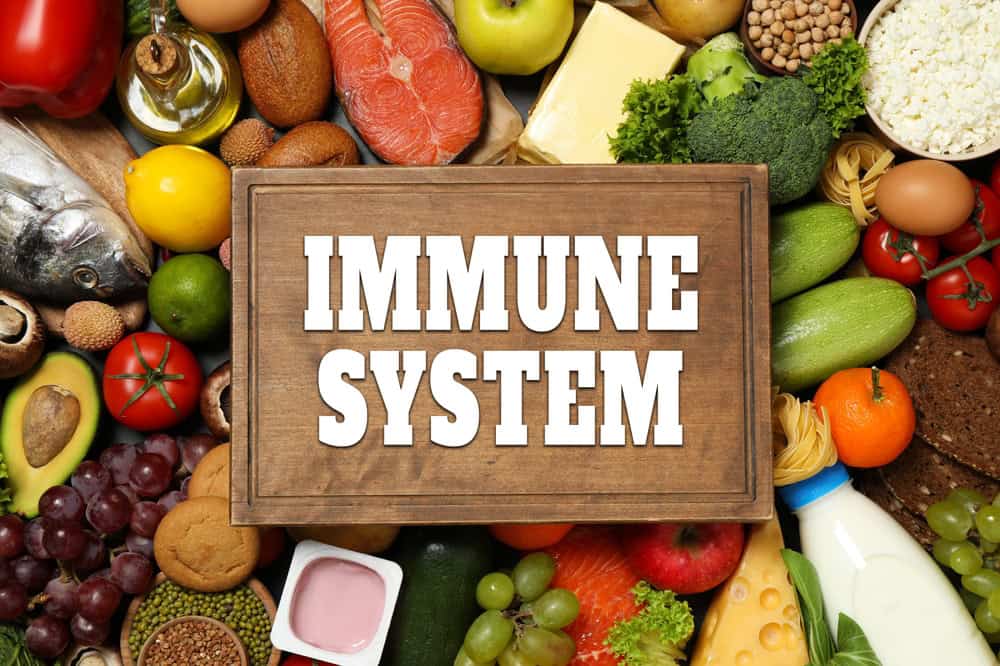
The evidence is clear: zinc is an essential nutrient, but it is not a cure-all. For the vast majority of the population, a balanced diet is sufficient to meet zinc requirements. Excellent sources include oysters (the most concentrated source), red meat, poultry, beans, nuts, and fortified cereals. While animal-based foods offer the highest bioavailability, plant-based sources—though containing phytates that can inhibit absorption—remain vital parts of a healthy diet.

The implication for the consumer is twofold. First, stop treating zinc as a daily prophylactic for immune "boosting." If you are not deficient, the supplement is largely redundant. Second, if you choose to use zinc for specific, short-term purposes like the common cold, ensure you are choosing a reputable, well-formulated lozenge, starting it early, and adhering to the recommended short-term dosage.
In summary, the key to a robust immune system is not found in the bottom of a supplement bottle, but in the consistency of one’s lifestyle. Proper sleep, regular physical activity, a balanced diet, and sensible hygiene practices remain the gold standard for health. Zinc is a silent partner in these processes—keep it in its proper place, and it will serve you well. Exceed its physiological bounds, and you risk trading health for unnecessary toxicity. Always consult with a healthcare professional before initiating a long-term supplement routine, as your individual health status, medication list, and baseline nutritional intake are the most important factors in determining whether zinc is truly for you.