
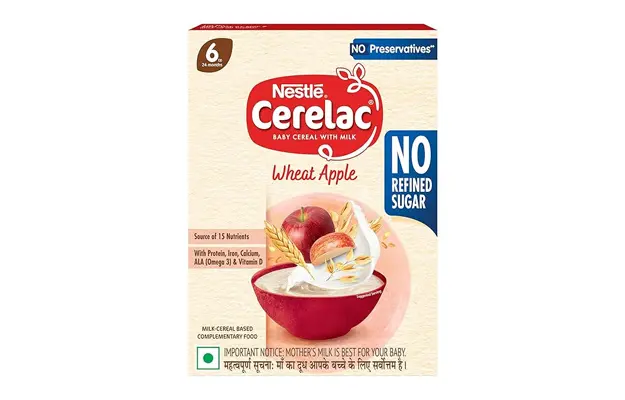
As infants reach the six-month milestone, the transition from exclusive breastfeeding to the introduction of solid foods—known as complementary feeding—marks a critical phase in a child’s development. Parents are often faced with a sea of information and a variety of market options. Among the most recognized names in the infant cereal category is Nestlé CERELAC®.
This report provides an in-depth look at the nutritional role of complementary foods, the specific composition of CERELAC®, and the regulatory standards that govern infant nutrition in India.
The Importance of Complementary Feeding
According to global health organizations, including the World Health Organization (WHO), exclusive breastfeeding is recommended for the first six months of an infant’s life. Beyond six months, breast milk alone is no longer sufficient to meet the increasing energy and nutrient requirements of the growing child.
This is where "complementary foods" become essential. These are foods that bridge the gap between breast milk and the family diet. Proper complementary feeding is vital for:
- Physical Growth: Providing adequate protein, iron, and zinc.
- Cognitive Development: Supporting brain growth through essential fatty acids and micronutrients.
- Oral Development: Helping the infant learn to chew and swallow different textures.
What is Nestlé CERELAC®?
Nestlé CERELAC® is a wheat-based, iron-fortified infant cereal designed specifically for babies aged six months and older. It is formulated to be a nutrient-dense option that complements breast milk or infant formula.
Core Nutritional Profile
CERELAC® is processed to be easily digestible for a baby’s developing gastrointestinal tract. Its primary components typically include:
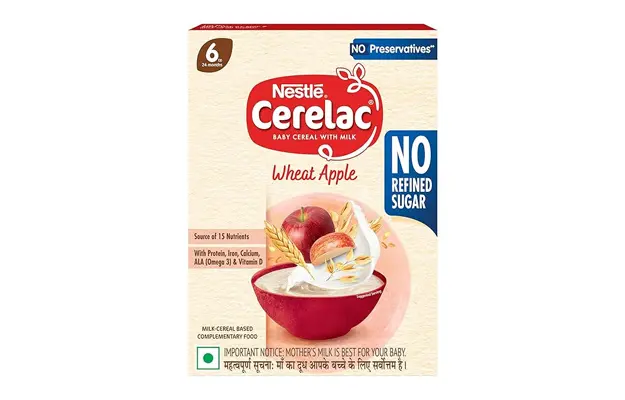
- Cereal Base: Usually wheat, rice, or oats, providing carbohydrates for energy.
- Micronutrient Fortification: A blend of essential vitamins (A, C, D) and minerals (Iron, Zinc, Calcium) intended to prevent deficiencies common in the transition period.
- Enzymatic Processing: A unique feature of CERELAC® is the use of an enzymatic hydrolysis process. This breaks down complex carbohydrates into simpler forms, making the cereal easier for the baby to digest and ensuring a smooth consistency.
Regulatory Standards and Quality Control
The production of infant food is subject to some of the strictest regulatory frameworks in the food industry. In India, products like CERELAC® must comply with the standards set by the Food Safety and Standards Authority of India (FSSAI).
FSSAI and CODEX Alignment
Nestlé states that its production processes for CERELAC® are aligned with both FSSAI regulations and international CODEX Alimentarius standards. These standards dictate strict limits on:
- Added Sugars: Regulatory bodies have increasingly pushed for the reduction of added sugars in infant products. Nestlé has maintained that it adheres to these limits and has been actively working on reformulations globally to reduce sucrose content.
- Contaminants: Rigorous testing is conducted for heavy metals, pesticides, and microbial safety. Each batch of raw material undergoes NABL-accredited laboratory testing before being processed.
Addressing Common Concerns: Sugar and Nutritional Quality
A frequently discussed topic regarding commercial infant cereals is the presence of added sugar. Parents often inquire why sugar is used in the formulation.
The Role of Formulation
From a technical standpoint, the enzymatic process mentioned earlier naturally results in a sweeter profile as starches are broken down into sugars. Furthermore, manufacturers argue that these cereals are designed to provide a specific caloric density.
However, Nestlé has acknowledged the shifting consumer preference and public health discourse regarding childhood obesity and dietary habits. In response, the company has implemented a global policy to reduce the total amount of added sugar in its infant cereal portfolio. By utilizing newer processing technologies, they aim to maintain the nutrient profile while significantly lowering sucrose levels.
How to Use CERELAC® Appropriately
It is important to emphasize that CERELAC® is a complementary food, not a replacement for breast milk. Here is the recommended approach to incorporating it into a child’s diet:

- Start Slow: Begin with a small amount (1–2 teaspoons) once a day to monitor for any allergic reactions or digestive sensitivities.
- Texture Progression: As the baby grows, parents are encouraged to transition from smooth purees to more textured foods, including home-cooked mashes, vegetables, and fruits.
- Consult a Pediatrician: Before introducing any new food to an infant, parents should consult their healthcare provider to ensure it aligns with the baby’s specific developmental stage and health needs.
- Consistency: The preparation should be thick enough for the baby to learn to eat from a spoon, avoiding the use of bottles for cereal feeding.
Implications for Public Health
The availability of fortified infant cereals has played a historical role in reducing iron-deficiency anemia in many parts of the world. However, the modern focus is shifting toward "nutritional education."
The Shift Toward Home-Cooked Nutrition
While commercial cereals offer convenience and fortification, experts emphasize that a balanced diet should eventually include a wide variety of whole foods. The "1,000-day window"—from conception to the second birthday—is the most critical time for dietary intervention. During this time, exposing children to a variety of natural flavors (vegetables, pulses, and grains) is essential for developing healthy eating habits that last a lifetime.
Conclusion: Making Informed Choices
For parents, the choice of infant nutrition is highly personal and often guided by the advice of pediatricians and personal lifestyle factors. Nestlé CERELAC® remains a standardized, fortified, and scientifically formulated option for those who choose to use commercial cereals.
The key to healthy growth is a balanced approach. Whether relying on commercial products like CERELAC® or preparing homemade meals, the priority remains the same: ensuring the infant receives adequate energy, protein, and a spectrum of essential vitamins and minerals, all while fostering a positive relationship with food.
Disclaimer: This article is for informational purposes only and does not constitute medical advice. Always seek the guidance of a qualified healthcare professional or pediatrician regarding your child’s nutritional needs and dietary transitions.
Key Takeaways for Parents:
- Breastfeeding First: Continue breastfeeding as long as possible alongside the introduction of solid foods.
- Check Labels: Always read the packaging for preparation instructions and age-appropriateness.
- Monitor Progress: Observe your baby for any signs of intolerance or digestive issues when introducing any new food item.
- Diversity is Vital: Ensure your baby is introduced to diverse food groups (vegetables, fruits, proteins) as they move beyond the initial stages of weaning.