
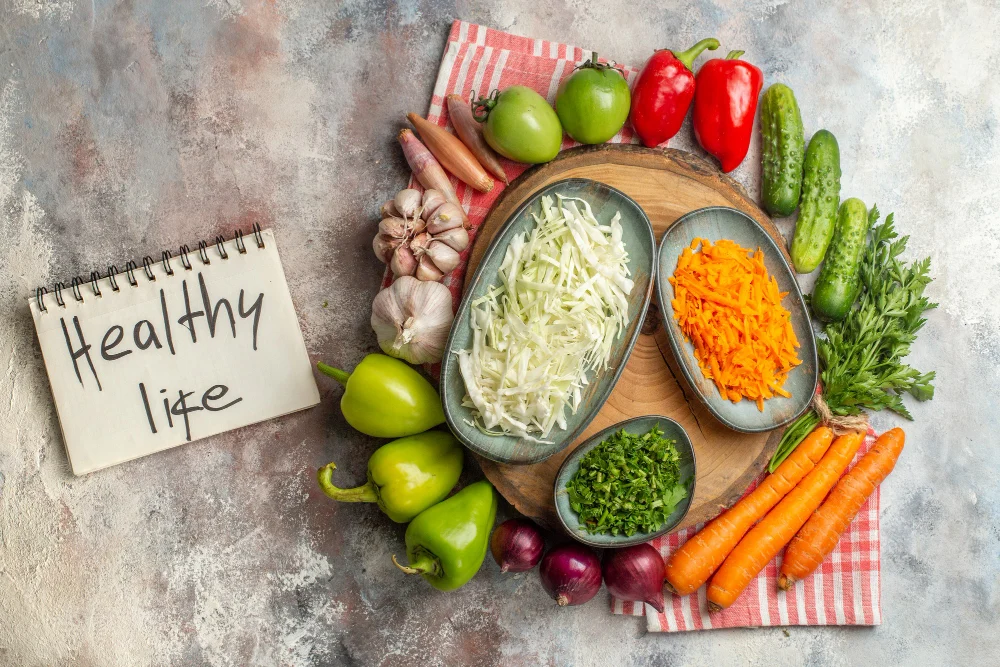
For millions of people worldwide, the simple act of eating can become a source of anxiety and physical distress. Chronic bloating, unpredictable bowel habits, and persistent abdominal pain are the hallmark symptoms of Irritable Bowel Syndrome (IBS), a functional gastrointestinal disorder that significantly impacts quality of life. While modern medicine has struggled to find a single "cure" for IBS, a nutritional strategy developed by researchers at Monash University has emerged as the gold standard for symptom management: the Low FODMAP diet.
This article explores the science, methodology, and practical application of the FODMAP approach, moving beyond common myths to provide a evidence-based roadmap for digestive wellness.
Main Facts: What Are FODMAPs?
To understand the diet, one must first understand the acronym. FODMAP stands for Fermentable Oligosaccharides, Disaccharides, Monosaccharides, and Polyols. These are essentially specific types of short-chain carbohydrates and sugar alcohols that the small intestine struggles to absorb efficiently.
When these carbohydrates pass undigested into the large intestine, they act as a "magnet" for water through osmotic pressure. Furthermore, they serve as a primary food source for gut bacteria. As these bacteria ferment the carbohydrates, they produce gas. For individuals with a sensitive gut, this combination of excess water and gas production results in distension, bloating, sharp pain, and altered bowel movements.
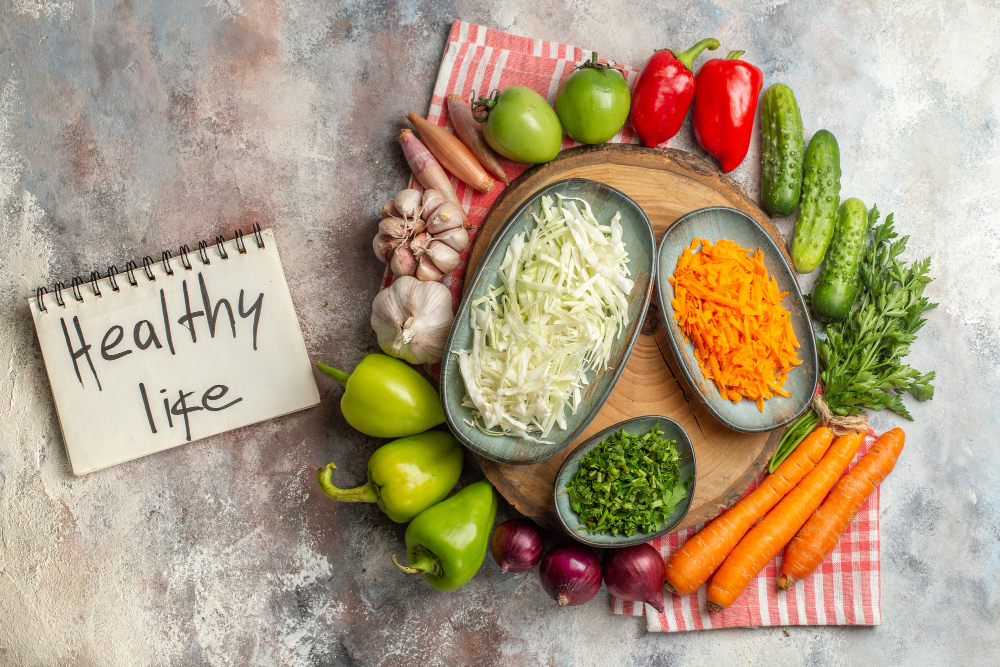
It is critical to note that FODMAPs are not inherently "bad." Many high-FODMAP foods—such as garlic, onions, apples, and certain legumes—are packed with essential nutrients, prebiotic fibers, and antioxidants. The goal of the diet is not to banish these foods forever, but to determine an individual’s unique threshold for them.
The Chronology of the 3-Step Process
A common misconception is that the Low FODMAP diet is a restrictive, lifelong regimen. On the contrary, it is a structured, temporary, and diagnostic process designed to identify specific triggers.
Phase 1: The Elimination Phase (2–6 Weeks)
During this initial stage, high-FODMAP foods are strictly replaced with low-FODMAP alternatives. The objective is to quiet the digestive system and determine if the patient’s symptoms are indeed triggered by these specific carbohydrates. This phase should be short-term; maintaining a restricted diet for too long can potentially lead to nutritional deficiencies or a reduction in the diversity of the gut microbiome.
Phase 2: The Reintroduction Phase (Challenge Phase)
Once symptoms have subsided, the patient enters the reintroduction phase. Here, small, measured amounts of specific FODMAP groups are reintroduced into the diet one at a time. This allows the individual to observe which specific groups (e.g., fructans, lactose, or polyols) trigger symptoms and at what quantity. This phase is essential for moving away from unnecessary restriction.

Phase 3: The Personalization Phase
The final step is the most important: long-term management. By the end of this phase, the individual has a tailored list of foods they can tolerate well and those they should consume in moderation. The goal is to return to the widest possible variety of foods while keeping symptoms under control.
Supporting Data: Why It Works
Clinical studies consistently demonstrate that for approximately 70–75% of patients with diagnosed IBS, the low FODMAP approach leads to a significant reduction in symptoms. Research published by the experts at Monash University has underscored that the efficacy of the diet is dose-dependent—meaning that for many, it is not about eliminating a food entirely, but rather limiting the portion size to a level that the gut can manage.
The diet is not a universal solution. Digestive health is highly individualistic. For some, symptoms may be linked to stress, fiber intake, or the speed of eating, rather than carbohydrate malabsorption. Data suggests that patients who receive guidance from a registered dietitian have higher success rates than those who attempt to navigate the complex food charts on their own.
Official Guidelines and Medical Perspectives
Healthcare professionals emphasize that a low-FODMAP diet should never be the first line of defense without a proper diagnosis. Because the symptoms of IBS (bloating, pain, diarrhea, constipation) overlap with more serious conditions like Celiac disease, Inflammatory Bowel Disease (IBD), or colorectal issues, a thorough medical evaluation is mandatory.

Warning Signs: If you experience "red flag" symptoms—such as unexplained weight loss, blood in the stool, iron-deficiency anemia, or symptoms that wake you from sleep—you should seek immediate medical attention rather than adjusting your diet.
Furthermore, medical authorities warn against the "gluten-free trap." While many high-FODMAP wheat products also contain gluten, the two are distinct. A person might feel better on a gluten-free diet not because they are avoiding gluten, but because they are inadvertently avoiding fructans (a FODMAP found in wheat). Conversely, many gluten-free processed foods are loaded with high-FODMAP additives, which can worsen symptoms.
Practical Implementation: A Guide for Beginners
Transitioning to a low-FODMAP lifestyle requires a shift in how you shop and cook.
The Beginner’s Food Chart
| Food Group | Low-FODMAP Choices | High-FODMAP (Avoid/Limit) |
|---|---|---|
| Fruits | Kiwi, Oranges, Strawberries | Apples, Pears, Mango, Watermelon |
| Vegetables | Carrots, Cucumber, Eggplant | Onion, Garlic, Asparagus, Mushrooms |
| Dairy | Lactose-free milk, Feta, Brie | Regular milk, Ice cream, Custard |
| Grains | Rice, Oats, Quinoa, Potatoes | Wheat-based breads, Barley |
| Proteins | Eggs, Chicken, Fish, Firm Tofu | Marinated/Processed meats |
| Sweeteners | Table sugar, Maple syrup | Honey, Sorbitol, Xylitol |
Note: Always check the latest database, as serving sizes are the primary factor in determining if a food is "low" or "high" FODMAP.

Culinary Strategies
Cooking without garlic and onions—the foundations of most global cuisines—can feel daunting. However, flavor does not have to be sacrificed. Garlic-infused oil is a game-changer; the FODMAPs in garlic are not fat-soluble, so the flavor transfers to the oil without the digestive-triggering carbohydrates. Using fresh herbs like cilantro, basil, and rosemary, along with ginger and spices, can keep meals vibrant and delicious.
Implications and Common Pitfalls
The most significant danger for those starting the diet is the "over-restriction cycle." Many beginners become fearful of eating and eliminate too many food groups, leading to nutrient deficiencies and a diminished quality of life.
Common Mistakes to Avoid:
- Staying in the elimination phase for too long: This can negatively impact gut bacteria diversity.
- Ignoring portion sizes: A food that is low-FODMAP at 50 grams may become high-FODMAP at 150 grams.
- Misinterpreting labels: "Gluten-free" does not mean "Low-FODMAP." Always scan ingredient lists for hidden triggers like onion powder, garlic powder, or high-fructose corn syrup.
- Neglecting fiber: By cutting out many grains and legumes, patients often become constipated. It is essential to replace these with low-FODMAP fiber sources like quinoa, oats, and specific fruits.
Conclusion
The low-FODMAP diet is a powerful, evidence-based tool for reclaiming control over digestive health. It is a journey of discovery, not a life sentence of deprivation. By viewing the diet as a structured experiment—involving elimination, reintroduction, and personalization—patients can move from a state of constant symptom management to a state of nutritional freedom.

If you suspect you have IBS, the most effective path forward is to consult with a primary care physician to rule out other conditions, followed by a referral to a registered dietitian who specializes in gastrointestinal health. With the right support and data-backed tools, the path to a calmer, happier gut is well within reach.
Frequently Asked Questions (FAQs)
Q: Can I follow a low-FODMAP diet forever?
A: No. It is designed to be a temporary, three-step process. Long-term, you should aim to reintroduce as many high-FODMAP foods as your personal tolerance allows to ensure a balanced, varied diet.
Q: Is rice safe?
A: Yes, rice is a staple of the low-FODMAP diet and is generally well-tolerated by almost everyone with IBS.
Q: Why do I feel better when I eat gluten-free?
A: You may be reacting to fructans in wheat rather than the gluten itself. If you feel better, it is often because you have removed a significant source of FODMAPs, not because you have removed gluten.

Q: Are there any alternatives to garlic and onion?
A: Yes! Garlic-infused oil is an excellent way to get the flavor without the FODMAPs. Additionally, the green parts of spring onions (scallions) are generally considered low-FODMAP and can provide that savory depth.
(Disclaimer: This article is for informational purposes only and does not constitute medical advice. Always consult with a healthcare professional or a registered dietitian before making significant changes to your diet, especially if you have existing health conditions.)