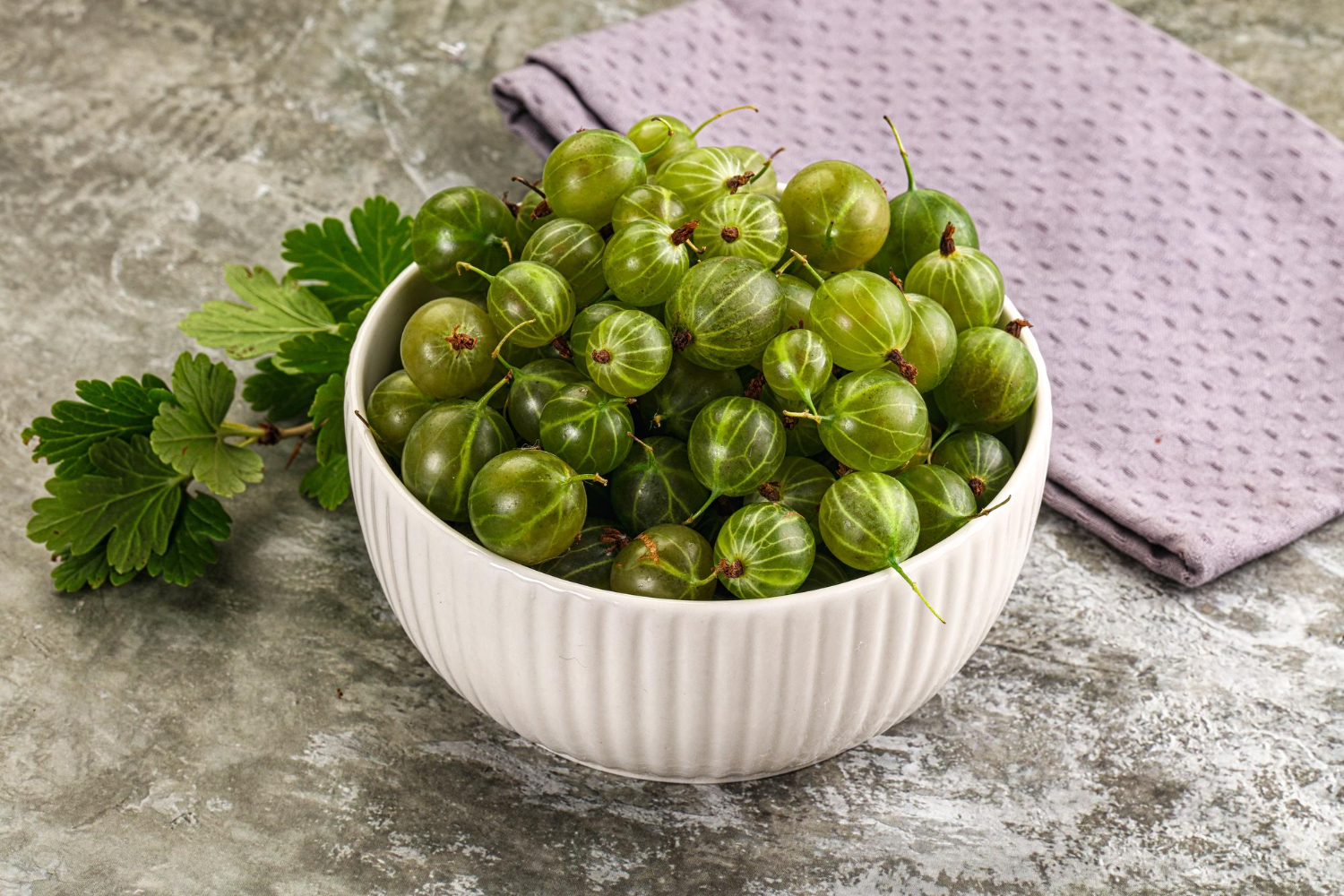
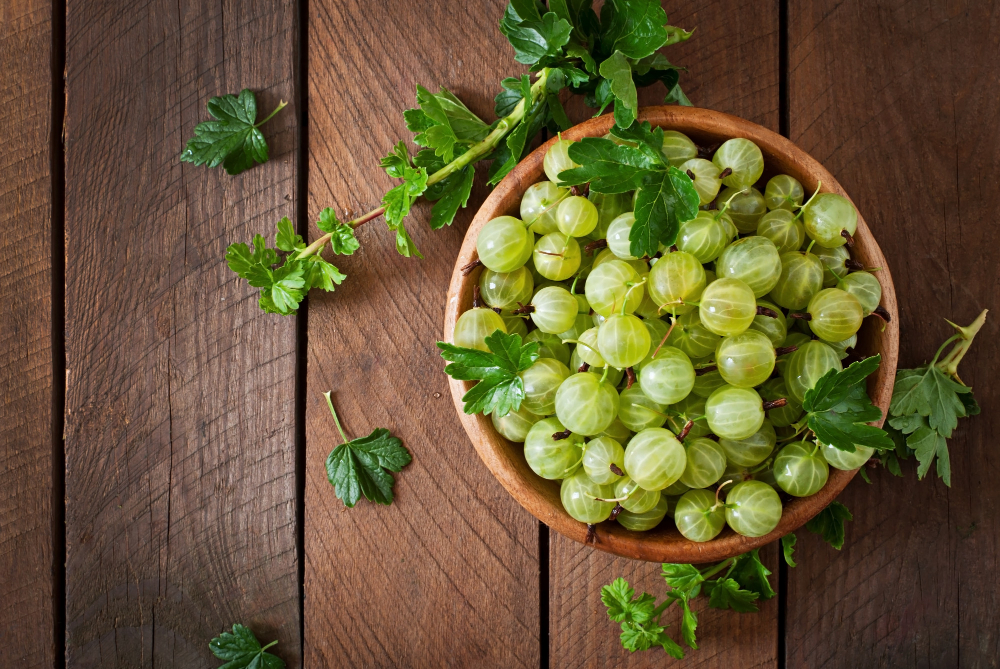
For generations, Amla, scientifically known as Phyllanthus emblica and commonly referred to as the Indian gooseberry, has occupied a central position in the traditional Indian culinary and medicinal landscape. Often recognized by its vibrant green hue and signature sharp, acidic flavor, this small fruit is frequently touted by households as a panacea for everything from lackluster hair to weakened immunity. However, as modern nutritional science advances, it is time to move beyond anecdotal wisdom and examine what this potent fruit truly offers to the human body.
While folklore suggests that Amla is a "miracle" fruit, the reality is more nuanced. It is a dense source of vital micronutrients and bioactive compounds that, when integrated into a balanced diet, can contribute significantly to long-term health.
1. The Nutritional Foundation: Decoding Vitamin C
At the heart of Amla’s reputation is its exceptionally high Vitamin C content. Vitamin C, or ascorbic acid, is a water-soluble vitamin that is fundamental to human physiology. It acts as a primary cofactor in the synthesis of collagen—the structural protein that maintains the integrity of our skin, ligaments, blood vessels, and bone tissue.
Beyond its structural roles, Vitamin C is a cornerstone of immune health. It supports various cellular functions of both the innate and adaptive immune systems. Furthermore, its role in iron metabolism is critical: Vitamin C significantly enhances the bioavailability of non-heme iron (the iron found in plant-based sources like lentils, chickpeas, and leafy greens). By consuming Amla alongside iron-rich plant foods, one can effectively optimize their body’s ability to combat anemia.
Important Considerations for Consumers:
It is vital to recognize that Vitamin C is highly sensitive to environmental factors. Exposure to light, heat, and oxygen during processing and storage can lead to rapid degradation of this nutrient. Consequently, fresh Amla, shelf-stable juices, and dried powders offer vastly different nutritional profiles. When purchasing commercial Amla products, consumers should prioritize reading nutrition labels rather than relying on the assumption that processed versions retain the same potency as the raw fruit.
2. Antioxidant Potential and Cellular Defense
The health benefits of Amla extend far beyond its vitamin profile. The fruit is rich in polyphenols—a class of plant compounds known for their antioxidant activity. Antioxidants serve as the body’s defense mechanism against oxidative stress, a state caused by an imbalance between free radicals and the body’s ability to neutralize them.
Free radicals are unstable molecules generated by natural metabolic processes and environmental triggers such as pollution, UV radiation, and dietary stressors. Over time, chronic oxidative stress is linked to cellular damage, inflammation, and the progression of various metabolic diseases. While laboratory studies have consistently shown that Amla extracts possess significant radical-scavenging capabilities, it is essential to distinguish between in vitro (test tube) results and human clinical outcomes. While current research is promising, the scientific community emphasizes the need for more rigorous, long-term human trials to determine how exactly these antioxidants influence the prevention of specific chronic diseases.
3. Cardiovascular Implications: A Data-Driven Perspective
Cardiovascular disease remains a leading health concern globally, and interest in natural, diet-based interventions has never been higher. A noteworthy clinical study explored the impact of Amla extract on lipid profiles over a 90-day period. Participants who consumed the extract showed measurable reductions in total cholesterol, LDL (the "bad" cholesterol), and triglycerides.
However, medical experts urge caution when interpreting these findings. The study was relatively small, and it focused on a concentrated extract rather than the consumption of the whole fruit. Consequently, while Amla may be a beneficial dietary addition, it should never be considered a substitute for statins or other prescribed medications intended to manage cholesterol. For those concerned about heart health, Amla is best viewed as one component of a holistic approach that includes high fiber intake, physical activity, and the reduction of saturated fat consumption.
4. Blood Glucose Regulation and Diabetes Management
The management of blood glucose levels is a complex process, and Amla has been the subject of research concerning its potential to aid in this area. Some studies suggest that certain Amla preparations may assist in stabilizing blood sugar levels, which has piqued interest among researchers studying Type 2 diabetes.

Despite these potential benefits, individuals living with diabetes must exercise prudence. Many common preparations of Amla—such as murabba (a sugar-preserved preserve), sweetened candies, and certain juices—contain significant amounts of added sugar, which can negatively impact blood glucose. Furthermore, those currently on anti-diabetic medication should consult their endocrinologist before adding concentrated Amla supplements to their routine, as there is a risk of additive effects that could lead to hypoglycemia.
5. Digestion and Gut Health: Separating Myth from Fact
Amla is frequently cited as a remedy for gastrointestinal issues, including constipation and acidity. The primary mechanism behind this is the fruit’s dietary fiber content. Fiber is essential for maintaining regular bowel movements and supporting a diverse gut microbiome.
However, it is important to note that the fiber is concentrated in the pulp of the fruit. Strained Amla juice, while hydrating, lacks the fiber necessary to provide significant digestive support. Furthermore, because Amla is naturally acidic, it may trigger discomfort in individuals with sensitive stomachs or conditions like GERD (gastroesophageal reflux disease). For those struggling with chronic digestive distress, it is more effective to look at the overall diet—including water intake and fiber variety—rather than relying on a single "superfood."
6. Skin and Hair: The Reality Behind the Claims
The beauty industry frequently markets Amla for hair growth and skin radiance. The scientific rationale rests on the fruit’s Vitamin C content, which, as previously mentioned, is necessary for collagen synthesis. While collagen is vital for skin elasticity and strength, it is a fallacy to believe that consuming Amla alone will reverse hair loss or significantly alter skin texture.
Hair health is influenced by a multifactorial interplay of genetics, hormonal health, thyroid function, iron levels, and overall protein intake. If one is experiencing persistent hair thinning or skin concerns, a consultation with a dermatologist or a healthcare provider is more effective than relying on dietary supplements alone.
7. Official Guidelines and Dietary Integration
According to the Dietary Guidelines for Indians (2024), published by the ICMR and the National Institute of Nutrition, the focus should remain on a balanced, varied diet rather than the consumption of a single "hero" ingredient. Adults are advised to consume at least 100g of fresh fruit and 400g of vegetables daily. Amla can certainly be one of the fruits contributing to this quota, but it does not need to be consumed daily to achieve nutritional adequacy.
How to incorporate Amla safely:
- Fresh and Raw: The most nutritionally dense way to consume Amla is in its raw, whole form.
- Chutneys and Salads: Grating raw Amla into salads or chutneys is an excellent way to balance its sharp acidity.
- Portion Control: There is no official "recommended daily allowance" for Amla. Start with small quantities to gauge your digestive tolerance.
8. Potential Side Effects and Precautions
While Amla is a natural food product, it is not without potential risks. The high acidity can cause:
- Stomach Irritation: Individuals with sensitive stomachs or peptic ulcers may find the high acidity of raw Amla aggravating.
- Drug Interactions: Because of its potential influence on blood glucose and cholesterol, those on medication must monitor their levels closely when making significant dietary changes.
- Pregnancy and Breastfeeding: Concentrated supplements should only be taken under the guidance of an obstetrician.
The Takeaway
Amla is a nutritional powerhouse, rich in Vitamin C, polyphenols, and fiber. It serves as a valuable component of a healthy, varied diet. However, it is not a magic cure-all. Its benefits are best realized when integrated into a lifestyle that includes overall nutritional balance, regular exercise, and appropriate medical oversight for existing health conditions. When it comes to health, consistency in your total dietary pattern remains far more important than the inclusion of any single fruit.
Frequently Asked Questions (FAQs)
1. Is it good to eat Amla every day?
Yes, it is generally safe to include Amla in your daily diet in reasonable food amounts. However, start with a small serving to ensure your stomach tolerates the acidity well.
2. Is Amla better raw or as juice?
Whole, raw Amla is superior to juice because it retains the natural dietary fiber, which is often lost during the straining process.

3. Does Amla increase immunity?
Amla provides Vitamin C, which supports normal immune function. While it is a healthy addition, it does not make you immune to infections.
4. Can Amla help reduce cholesterol?
Small studies have shown promising results in lipid profiles, but Amla should never replace prescribed cholesterol-lowering medications.
5. Is Amla good for hair growth?
There is insufficient scientific evidence to claim that eating Amla directly causes hair growth. Hair health is largely determined by genetics and overall nutritional status.
6. Can people with diabetes eat Amla?
Yes, but they should avoid sweetened products like murabba and monitor their blood sugar levels if consuming concentrated supplements.
7. Can Amla cause acidity?
Yes, for some individuals, the acidic nature of Amla can lead to stomach discomfort or acid reflux.

8. What is the best time to eat Amla?
There is no specific "best" time; it can be consumed with meals or as a snack based on your preference.
9. Is Amla juice as nutritious as fresh Amla?
No. Processing, straining, and the potential for added sugars or preservatives often diminish the nutritional value of commercial juices.
10. Can Amla replace Vitamin C supplements?
Amla can contribute significantly to your Vitamin C intake, but it may not be sufficient for those with diagnosed deficiencies who require prescribed medical-grade supplementation.
Disclaimer: This article is for informational purposes only and does not constitute medical advice. Always consult with a healthcare professional before making significant changes to your diet or starting new supplements.