By Scientific Correspondent
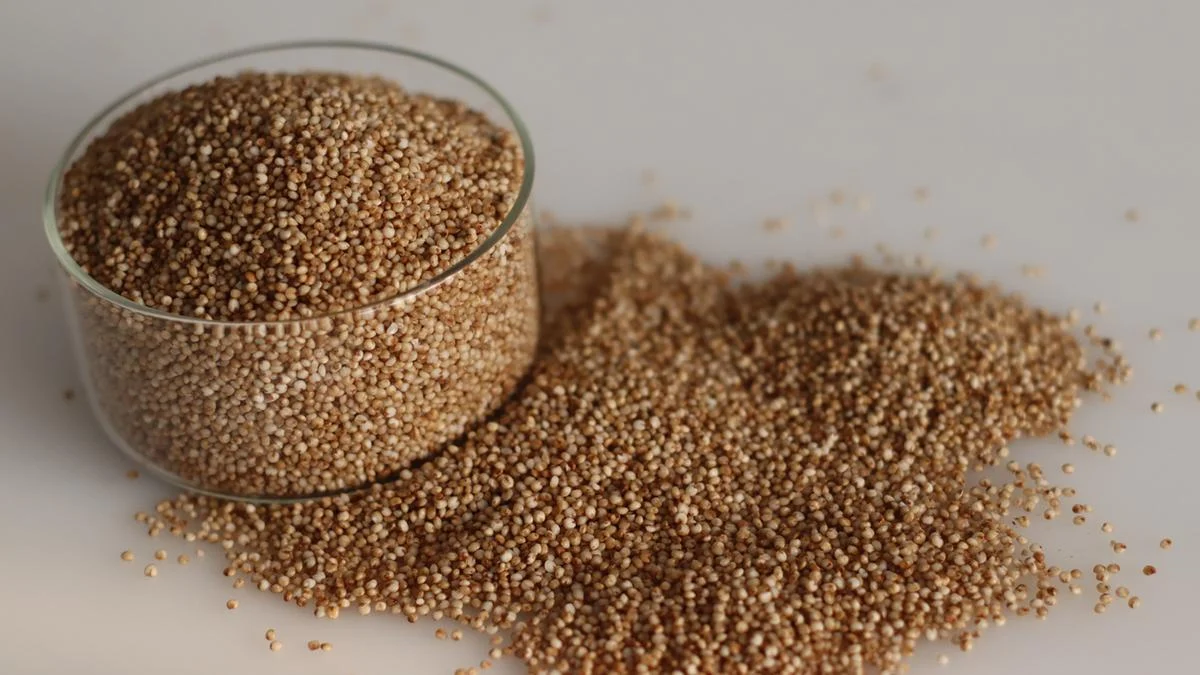
In a landmark development for global public health, researchers from Cornell University and leading Indian institutions have unveiled findings that could fundamentally shift how the world approaches micronutrient deficiencies. A nine-month clinical trial conducted in the urban slums of Mumbai has demonstrated that bio-fortified pearl millet—naturally enriched with iron and zinc—not only effectively combats mineral deficiency in toddlers but does so without the adverse side effects associated with traditional medicinal supplements.
This breakthrough, published in the prestigious journal Nature Communications, arrives as a vital shot in the arm for India’s "Millets Mission." By validating the efficacy and safety of bio-fortified crops on the human gut microbiome, the study provides a robust, food-based roadmap to address anemia and stunted development in early childhood.
The Microbiome Frontier: A New Standard for Nutrition
For decades, the standard medical response to iron deficiency—which impacts one in four people globally—has been the administration of synthetic iron supplements. While effective at raising hemoglobin levels, these supplements often come with a biological "tax." Clinical observations have long suggested that high-dose iron pills can disrupt the delicate balance of the gut microbiome. By flooding the digestive tract with inorganic iron, these supplements can inadvertently nourish harmful pathogens, leading to inflammation, diarrhea, constipation, and an overall degradation of gut health.
The recent study, spearheaded by the Joan Klein Jacobs Centre for Precision Nutrition and Health at Cornell University, sought to determine if a "food-first" approach could achieve the same nutritional milestones while fostering a healthier internal ecosystem.
"We thought that a food-based approach could help us move away from one-size-fits-all supplementation strategies," explained Saurabh Mehta, the founding director of the Jacobs Centre and the study’s principal investigator. "This is a move toward personalizing nutritional interventions, ensuring that we heal the body without harming the microbiome."
Chronology of a Scientific Milestone
The path to this discovery was years in the making, involving a complex interplay of agricultural science and community-based public health initiatives:
- 2007: India conceptually launches the Millets Mission, recognizing the ancient grain’s potential to address food security and climate resilience.
- 2017: The mission gains significant momentum with national policy shifts to promote millets as "nutri-cereals."
- The Development Phase: Researchers collaborate with traditional farmers to breed a pearl millet variety that contains nearly three times the iron and zinc of standard varieties. This was achieved through conventional cross-breeding, ensuring the crop remained non-GMO and acceptable to local agricultural practices.
- The Trial Preparation: A partnership is formed between Cornell University, SNDT Women’s University in Mumbai (led by Shobha A. Udipi and Padmini Ghugre), and the Centre for the Study of Social Change (led by Ramesh D. Potdar).
- The Mumbai Trial: Over nine months, 223 children aged 12 to 18 months in Mumbai’s urban slums—a demographic disproportionately affected by anemia—were fed the bio-fortified pearl millet as part of their daily diet.
- August 2026: Findings are published in Nature Communications, marking a transition from experimental concept to evidence-based health policy.
Supporting Data: Decoding the Gut Response
The study’s most compelling data points revolve around the "microbial pathways" within the toddlers’ digestive tracts. Unlike the control groups or historical cohorts on synthetic supplements, the children consuming bio-fortified millet exhibited a significant increase in protective biological activity.
Key findings included:

- Pathogen Defense: There was an upregulation in microbial pathways dedicated to fighting pathogens, including the production of natural, antibiotic-like compounds.
- Antioxidant Metabolism: The gut environment showed an improved capacity for antioxidant processing, which is essential for maintaining cellular health and reducing oxidative stress.
- Suppression of Harmful Bacteria: Markers typically associated with pathogenic bacterial colonization were observed to be significantly lower by the conclusion of the nine-month period.
These results suggest that the iron and zinc in bio-fortified millet are presented in a "bioavailable" form—meaning they are packaged within the food matrix in a way that the human body can absorb efficiently, without leaving excess minerals to fester in the colon and feed harmful bacteria.
The Indian Context: Millets as a National Imperative
India is uniquely positioned to lead this nutritional revolution. As the world’s largest producer of millets—accounting for over 40% of global output—the country has an established supply chain for pearl millet (bajra), sorghum (jowar), and finger millet (ragi).
The Indian collaborators played a critical role in the study’s success, specifically in the development of culturally relevant, palatable recipes. "The challenge was not just to grow the crop, but to ensure the children would consume it regularly," noted the researchers. By integrating the millet into the local diet at 20 different community sites, the team proved that the solution was not only scientifically sound but also socially scalable.
Implications for Public Health Policy
The findings hold profound implications for the future of the Millets Mission and global health policy.
1. Moving Beyond Supplementation
The primary benefit of a food-based intervention is the removal of "distribution friction." Supplements require medical infrastructure, consistent healthcare worker presence, and strict patient compliance. In contrast, bio-fortified millets can be integrated into school feeding programs, public distribution systems, and local markets. Once farmers adopt these seeds, the nutrition becomes "baked into" the food supply, requiring no additional infrastructure to sustain.
2. A Blueprint for Precision Nutrition
This study is among the first to use the gut microbiome as a key metric for measuring the success of a crop-based intervention. It signals a shift in agricultural research from simply focusing on "yield" to focusing on "human health outcomes." Future agricultural policies may now prioritize the nutritional density of staple crops as a primary tool for disease prevention.
3. Economic and Environmental Synergy
Millets are inherently drought-resistant and require less water than rice or wheat, making them an ideal crop for a warming planet. By promoting bio-fortified varieties, the government can achieve a "double win": environmental sustainability and a dramatic reduction in the national economic burden caused by iron-deficiency anemia, which currently hinders the cognitive and physical development of millions of children.
Conclusion: A Sustainable Future
The research conducted in the bustling, resource-constrained environment of Mumbai’s slums has provided a beacon of hope for global nutrition. By leveraging the ancient wisdom of millet cultivation alongside modern precision science, the researchers have identified a path that is not only safer but more sustainable than the current status quo.
As India moves forward with its Millets Mission, the evidence is clear: the solution to the most persistent nutritional challenges may not lie in a laboratory-made pill, but in the grain that has fed Indian civilizations for millennia. With the right support for farmers and policy integration, bio-fortified pearl millet could become the cornerstone of a healthier, more resilient generation.