By Science & Health Desk
In a landmark study that bridges international research expertise with grassroots agricultural innovation, scientists from India and the United States have unveiled findings that could fundamentally alter the trajectory of global public health. A nine-month clinical trial conducted in the urban slums of Mumbai has demonstrated that pearl millet, bio-fortified through traditional cross-breeding to contain high levels of iron and zinc, offers a safe and highly effective alternative to synthetic iron supplements for toddlers.
The study, published in the prestigious journal Nature Communications, suggests that these “super-millets” not only combat iron deficiency anemia—a condition affecting roughly one in four people globally—but do so without the adverse gastrointestinal side effects often associated with traditional medical supplementation.
The Global Burden of Iron Deficiency
Iron deficiency remains one of the most pervasive nutritional crises of the 21st century. Its impact is most devastating during early childhood, a critical window for brain development and immune system formation. When toddlers suffer from chronic iron deficiency, the consequences are often irreversible, manifesting as cognitive delays, stunted growth, and a heightened vulnerability to infectious diseases.
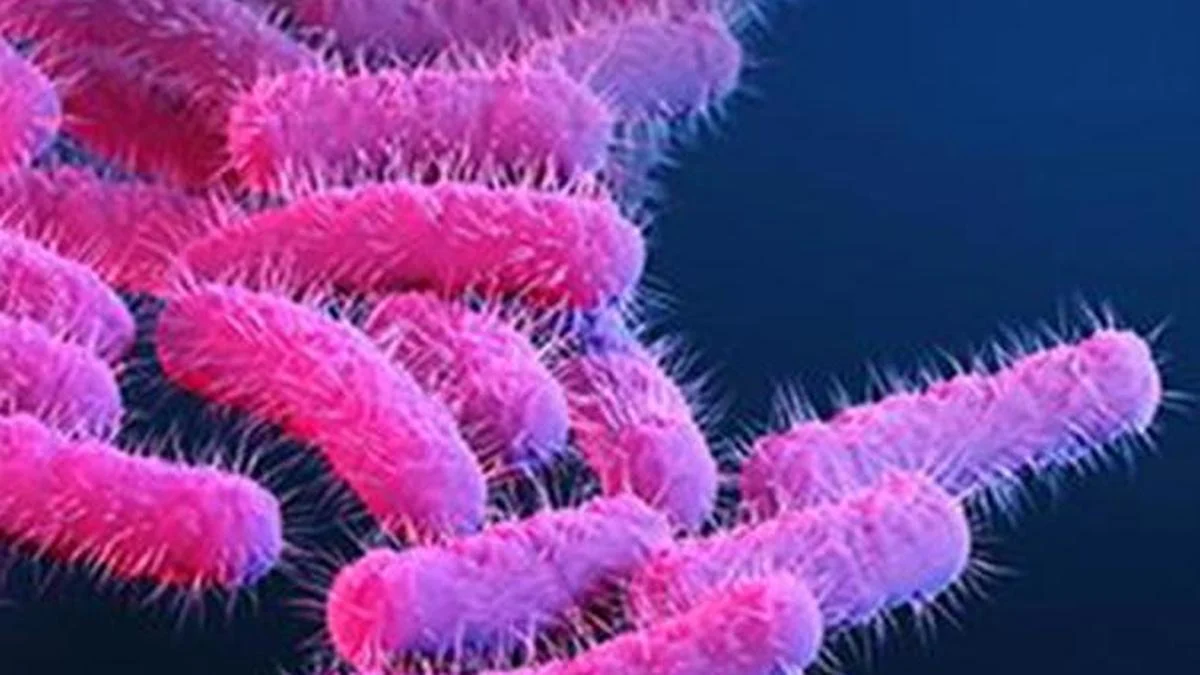
For decades, the standard medical response has been oral iron supplementation. While effective at raising hemoglobin levels, these supplements are not without complications. Clinical literature has long documented that high-dose iron pills can disrupt the delicate balance of the gut microbiome. By introducing concentrated iron into the digestive tract, these supplements often trigger the proliferation of harmful pathogens while inhibiting the growth of beneficial bacteria, leading to symptoms such as diarrhea, constipation, and abdominal distress.
This creates a “treatment paradox”: while the supplement treats the systemic anemia, it simultaneously compromises the gut health of the most vulnerable populations.
Chronology of the Millet Mission
The journey toward this discovery is rooted in India’s long-standing commitment to traditional grains.
- 2007: The concept of the "Millets Mission" is first conceptualized, aiming to revitalize the cultivation and consumption of climate-resilient, nutrient-dense crops.
- 2017: The mission gains significant momentum as the Indian government begins prioritizing millets in the national food security apparatus.
- 2023-2024: Researchers from Cornell University’s Joan Klein Jacobs Centre for Precision Nutrition and Health partner with SNDT Women’s University (Mumbai) and the Centre for the Study of Social Change (NGO) to launch a controlled trial.
- August 2026: Findings are officially published, marking a turning point in bio-fortification research.
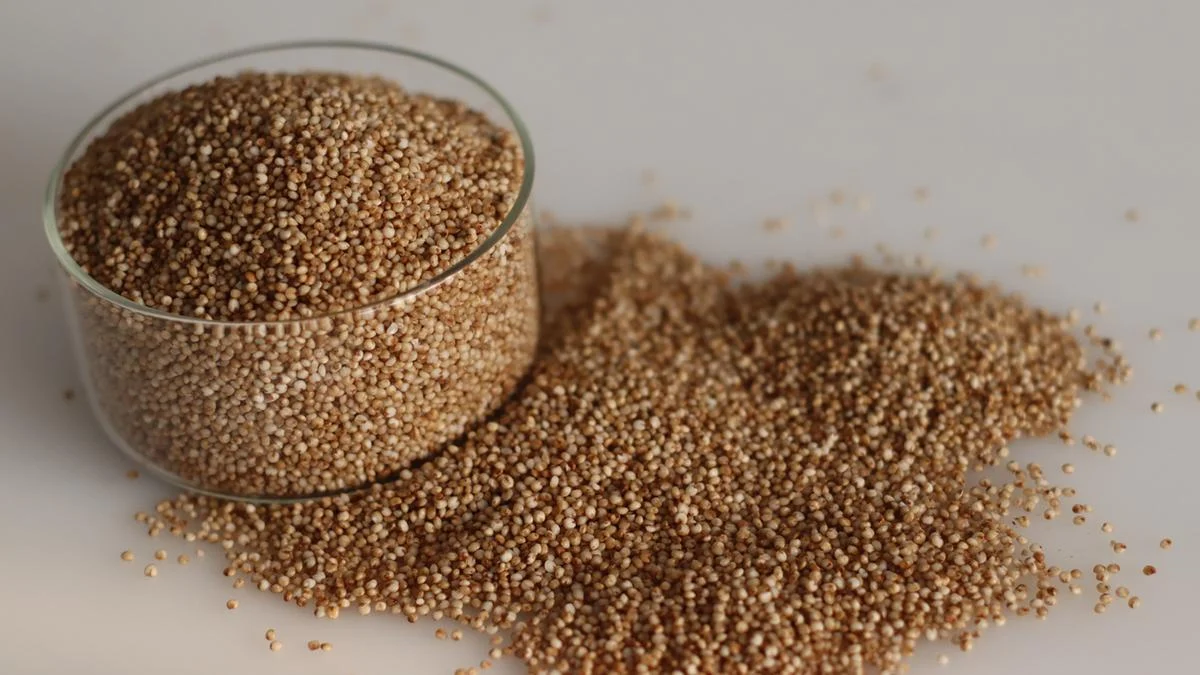
The research team, led by Dr. Saurabh Mehta of Cornell, worked closely with local farmers to develop a pearl millet variety via traditional cross-breeding techniques. This specific variety was cultivated to contain nearly three times the iron and zinc levels of standard commercial millet, creating a nutrient-dense food source that required no genetic modification.
The Mumbai Trial: Methodology and Findings
The trial enrolled 223 children between the ages of 12 and 18 months in Mumbai—an urban environment where iron deficiency and anemia are endemic. The SNDT Women’s University team was instrumental in this phase, developing a variety of millet-based recipes that were palatable for toddlers and easy for families to prepare.
Over nine months, these children were fed the bio-fortified pearl millet. Unlike traditional clinical trials that rely on synthetic delivery, this study focused on dietary integration. The results were striking. Researchers found that the children who consumed the bio-fortified millet showed a marked increase in microbial pathways associated with pathogen resistance.
Furthermore, the study noted an increase in antioxidant metabolism, which contributes to a more resilient gut environment. Most importantly, markers associated with harmful, inflammatory bacteria were significantly lower by the end of the nine-month period. Essentially, the bio-fortified millet acted as a "gentle" provider of essential minerals, nourishing the child without triggering the gut inflammation typically seen with chemical supplements.
Supporting Data: Why Gut Health Matters
The gut microbiome is a complex ecosystem of trillions of microorganisms—bacteria, viruses, and fungi—that govern everything from digestion to immune regulation. In infants and toddlers, this system is still forming, making it highly susceptible to external stressors.

According to Dr. Shobha A. Udipi and Dr. Padmini Ghugre, the Indian collaborators on the project, the move toward a "food-based" intervention is not merely a convenience—it is a paradigm shift. By providing nutrients in a food matrix rather than a pill, the body absorbs the minerals more naturally, and the gut flora remains stable.
The data from the Nature Communications study indicates that the shift in the microbiome composition was not just neutral, but actively protective. The production of natural, antibiotic-like compounds within the gut, observed in the study group, suggests that the bio-fortified diet helped the children build a natural defense against the harsh bacterial environments common in low-resource settings.
Official Responses and Expert Perspective
The scientific community has lauded the study for its "real-world" applicability. Dr. Saurabh Mehta, principal investigator and founding director at the Jacobs Centre, emphasized the need for personalized nutrition.
“We thought that a food-based approach could help us move away from one-size-fits-all supplementation strategies to address population health,” Dr. Mehta stated during the post-publication briefing. “This allows us to personalize nutritional interventions while relying on food systems that people are already familiar with.”
Agricultural experts in India have also highlighted the importance of this study for the Millets Mission. As India produces over 40% of the world’s millet—including pearl millet (bajra), sorghum (jowar), and finger millet (ragi)—this discovery provides a massive economic and health incentive for the country to scale up production.
Implications: A Sustainable Future
The implications of this research are twofold: public health and agricultural sustainability.
1. A Scalable, Self-Sustaining Model:
Unlike supplements, which require massive logistics, cold-chain storage, and consistent adherence—all of which are difficult to maintain in remote or impoverished regions—bio-fortified crops are self-sustaining. Once the seeds are distributed to farmers, the nutritional benefit is "baked into" the crop itself. It does not require complex infrastructure or daily pill-taking habits; it simply requires changing the staple grain on the family dinner table.
2. Climate-Resilient Nutrition:
Millets are known as "nutri-cereals" because they are not only healthy but also require significantly less water and fertilizer than rice or wheat. In the context of climate change, promoting millets is a dual-purpose strategy: it secures the food supply against drought and provides essential micronutrients to the most vulnerable.
3. Economic Empowerment:
By shifting the focus to high-iron millets, India can empower smallholder farmers to grow high-value, nutrient-dense crops that command better prices in the market. This creates a virtuous cycle where farmers are rewarded for producing healthy food, and the nutritional status of the population improves as a direct consequence.
Conclusion: The Path Forward
The findings from the Mumbai study serve as a blueprint for future nutritional interventions. While the initial trial focused on toddlers in urban slums, the potential for expansion is vast. As the Indian government continues to promote the "International Year of Millets" legacy and its own domestic mission, the evidence suggests that bio-fortification is not just a scientific curiosity—it is a viable, scalable, and humane solution to the scourge of hidden hunger.
By marrying the ancient wisdom of indigenous crops with the precision of modern gut-microbiome science, researchers have provided a path forward that is as sustainable as it is effective. The challenge now lies in policy implementation: ensuring that these bio-fortified seeds reach the hands of farmers and that these nutrient-dense grains make their way into the school lunch programs and household pantries that need them most.
As India moves forward, the "iron boost" from its humble millet fields may well become the nation’s greatest health asset in the years to come.