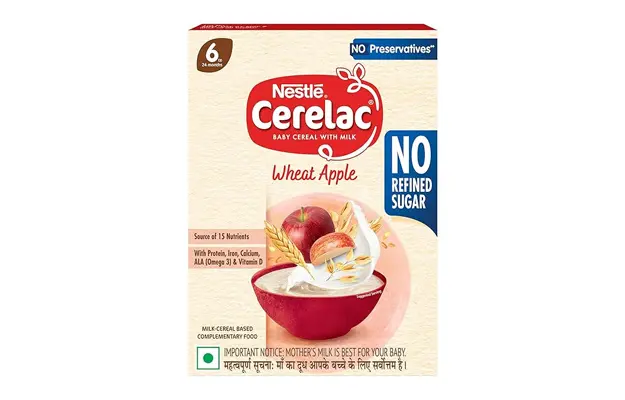
The introduction of solid foods is a pivotal milestone in an infant’s development. As babies reach the six-month mark, their nutritional requirements begin to exceed what breast milk or formula alone can provide. This transition, often referred to as "complementary feeding," is a critical phase that lays the foundation for long-term health, cognitive development, and physical growth. Among the various options available to parents, Nestlé CERELAC® has long remained a household name, serving as a staple in the diets of millions of infants across the globe.
However, recent discourse surrounding infant nutrition has brought questions of quality, safety, and transparency to the forefront. This article explores the science behind complementary feeding, the composition of infant cereals, and the rigorous standards that manufacturers like Nestlé must adhere to in an increasingly scrutinized global market.
The Nutritional Needs of a Growing Infant
By the age of six months, an infant’s stores of iron, zinc, and other essential micronutrients begin to deplete. At this juncture, the World Health Organization (WHO) and pediatric experts worldwide recommend the introduction of nutrient-dense, iron-fortified complementary foods.
The primary objective during this stage is not just to satiate hunger but to provide a diverse array of vitamins and minerals. Iron is particularly crucial, as it supports brain development and prevents anemia. Because an infant’s stomach capacity is limited, the foods introduced must be calorie-dense and rich in micronutrients. Nestlé CERELAC® was developed with this specific physiological necessity in mind, focusing on providing a fortified source of nutrition that complements the continued practice of breastfeeding.
Chronology of Development: From Grain to Bowl
The production of infant cereal is a highly technical process involving specialized milling, heat treatment, and fortification.
- Selection and Milling: High-quality grains are selected and milled into fine particles to ensure they are easily digestible for an infant’s developing gut.
- Hydrolysis Process: A defining characteristic of CERELAC® is the use of an enzymatic hydrolysis process. This technology breaks down complex carbohydrates into smaller, simpler sugars, which makes the cereal easier to digest and provides a smoother texture that is palatable for babies.
- Fortification: Once the base is prepared, a precise blend of vitamins (such as A, C, and D) and minerals (including iron, zinc, and calcium) is added. This ensures that every serving delivers a standardized level of nutrition.
- Quality Assurance: Every batch undergoes rigorous testing to ensure it meets both international safety standards (such as Codex Alimentarius) and local regulatory requirements (such as FSSAI in India).
Supporting Data: Why Fortification Matters
The debate around infant cereals often centers on the necessity of added sugars and the quality of raw ingredients. Nutritional science suggests that while infants require energy, excessive added sugars are discouraged.
Nestlé has faced scrutiny regarding the sugar content in its products across different regions. In response, the company has undertaken significant efforts to reformulate its recipes. Over the past decade, Nestlé reports having reduced total sugar content by an average of 11% across its infant cereal portfolio globally.
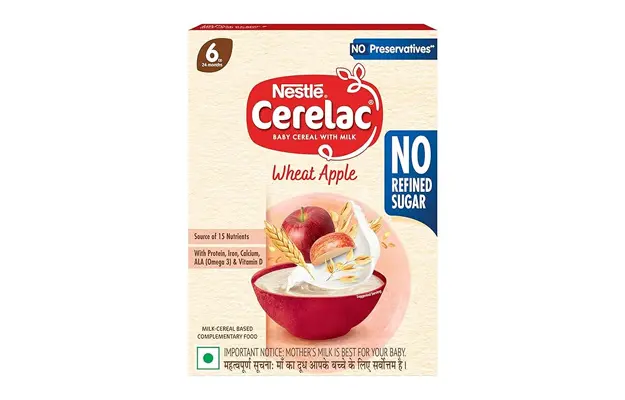
Current formulations are designed to be "nutrient-dense." A single serving of fortified cereal provides a significant percentage of the daily recommended intake of iron for a six-month-old. Data from clinical studies suggests that infants who consume iron-fortified cereals show a lower prevalence of iron-deficiency anemia compared to those who do not have access to fortified complementary foods.
Official Responses and Regulatory Compliance
In light of recent public health discussions and reports questioning the variation in product standards between developed and developing nations, Nestlé has issued comprehensive clarifications.
The Stance on Global Standards
Nestlé maintains that its products are manufactured to meet or exceed local regulatory requirements in every country of operation. The company emphasizes that its formulas are adapted based on local nutritional needs, cultural dietary habits, and the specific regulatory frameworks of each nation.
Quality Control and Transparency
To address concerns regarding product safety, Nestlé has highlighted its reliance on NABL-accredited (National Accreditation Board for Testing and Calibration Laboratories) facilities. Every product batch is subjected to internal and external testing to monitor for heavy metals, pesticides, and other contaminants. The company also encourages parents to utilize the QR codes on product packaging, which provide detailed information regarding the sourcing of ingredients and the nutritional profile of the specific batch.
Implications for Parents and Caregivers
The modern parent is faced with an overwhelming amount of information. When choosing complementary foods, it is essential to focus on the following:
1. The Importance of Variety
No single food—not even a fortified cereal—can provide everything a growing child needs. Complementary feeding should be a journey of exploration, introducing a variety of home-cooked vegetables, fruits, proteins, and grains alongside fortified options.
2. Reading Labels Critically
Parents are encouraged to look beyond the brand name. Checking the ingredient list for the presence of added sugars and understanding the iron content is vital. If a product contains high levels of added sugar, it should be treated as an occasional meal rather than a daily staple.

3. Consultation with Professionals
Every infant has unique needs. Pediatricians can provide guidance on the specific timing of introducing solids, especially for babies with allergies or specific health conditions. Using digital consultation platforms or visiting local clinics allows parents to tailor their child’s diet to their specific growth trajectory.
Addressing the "Sugar Controversy"
The most significant point of contention has been the difference in sugar content between products sold in different markets. Nestlé explains that this is largely due to regional regulatory mandates and consumer taste preferences. However, the company has committed to a "Nutrition Improvement" program.
The goal of this initiative is to reach 0% added sucrose in all infant cereal products globally by 2025. This transition is already well underway in many markets. For parents concerned about the current contents of the box in their pantry, the best course of action is to review the specific nutrition label on the product, as reformulation is an ongoing process that varies by SKU and region.
Conclusion: The Path Forward
Infant nutrition is a cornerstone of public health. While global brands like Nestlé provide a necessary service by making nutrient-dense, fortified foods accessible and convenient for busy parents, they also bear a heavy responsibility to maintain the highest standards of transparency and health.
The future of infant feeding lies in the synergy between industrialized fortification and home-prepared, whole-food nutrition. Parents do not need to choose one over the other; rather, they can use fortified cereals as a reliable "safety net" to ensure micronutrient gaps are filled, while supplementing with fresh, diverse foods from the family table.
As the industry moves toward cleaner labels and lower sugar profiles, the role of the consumer—demanding accountability and staying informed—remains the most powerful driver of change. By staying connected with pediatric guidance and choosing products that align with current health science, parents can navigate this critical developmental phase with confidence.
Disclaimer: This article is for informational purposes only and does not constitute medical advice. Always consult with a qualified pediatrician before making significant changes to your infant’s diet.