Pregnancy is a transformative journey that demands an increased intake of essential nutrients to support both maternal health and the rapid development of the fetus. Among these, iron stands as a critical pillar. As the body increases its blood volume to support the placenta and the growing baby, the demand for hemoglobin—the protein in red blood cells responsible for oxygen transport—surges.
Failure to meet these iron requirements can lead to iron-deficiency anaemia, a condition that poses risks to both mother and child. However, managing iron levels is not merely about medical supplementation; it is about cultivating a sustainable, "Eating Right" lifestyle. In light of the latest Anemia Mukt Bharat Abhiyaan Operational Guidelines (June 2026), it is time to rethink how we approach iron-rich nutrition through diet diversification and informed food choices.
The Core Facts: Why Iron Matters
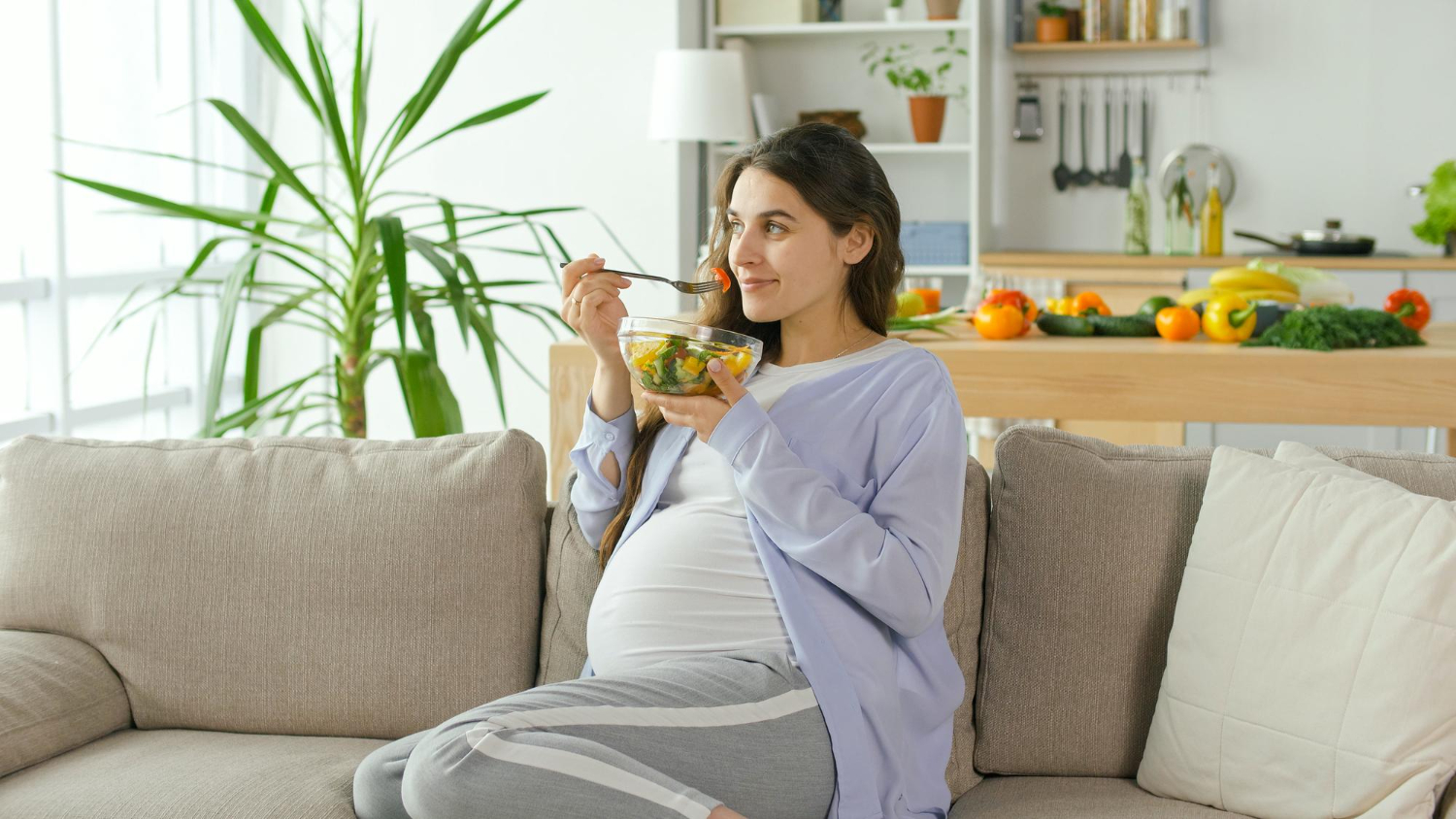
Iron is a micronutrient that performs the vital task of oxygenating tissues. During pregnancy, a woman’s iron requirements increase significantly to facilitate the expansion of red blood cell mass. When iron stores are depleted, the body cannot produce enough hemoglobin, leading to anaemia.
Common symptoms of iron deficiency include:
- Persistent fatigue and lethargy
- Unexplained weakness
- Dizziness or lightheadedness
- Shortness of breath
- Pale skin
Because these symptoms frequently mirror the common discomforts of pregnancy, it is essential to consult a healthcare provider for blood tests. Never assume that fatigue is simply "part of the pregnancy"—a proper diagnosis is the first step toward effective management.
Chronology: The Evolution of Iron Awareness
The narrative around anaemia prevention has shifted significantly over the past few years.
- Pre-2020: The focus was primarily on high-dose oral iron supplementation to address widespread maternal anaemia.
- 2020–2025: Research began emphasizing the "bioavailability" of iron, highlighting that iron from plant sources is less easily absorbed than animal-based iron.
- June 2026: The Government of India released updated Anemia Mukt Bharat Abhiyaan Operational Guidelines. This directive marked a paradigm shift by officially integrating an "Eating Right" approach. The guidelines now advocate for a dual strategy: clinical supplementation combined with a deliberate, locally sourced, and diversified diet to tackle the root causes of nutritional anaemia.
Supporting Data: The "Eating Right" Strategy
The 2026 guidelines underscore that anaemia is multifactorial. While nutritional deficiencies are a primary cause, non-nutritional factors must also be screened for. To optimize iron levels, one must distinguish between Heme and Non-Heme iron.
- Heme Iron: Found in animal products (lean meat, poultry). It is highly bioavailable and easily absorbed by the human gut.
- Non-Heme Iron: Found in plant-based sources (lentils, legumes, leafy greens). While abundant, it requires specific conditions—namely, the presence of Vitamin C—to be absorbed efficiently.
Top 10 Iron-Rich Sources
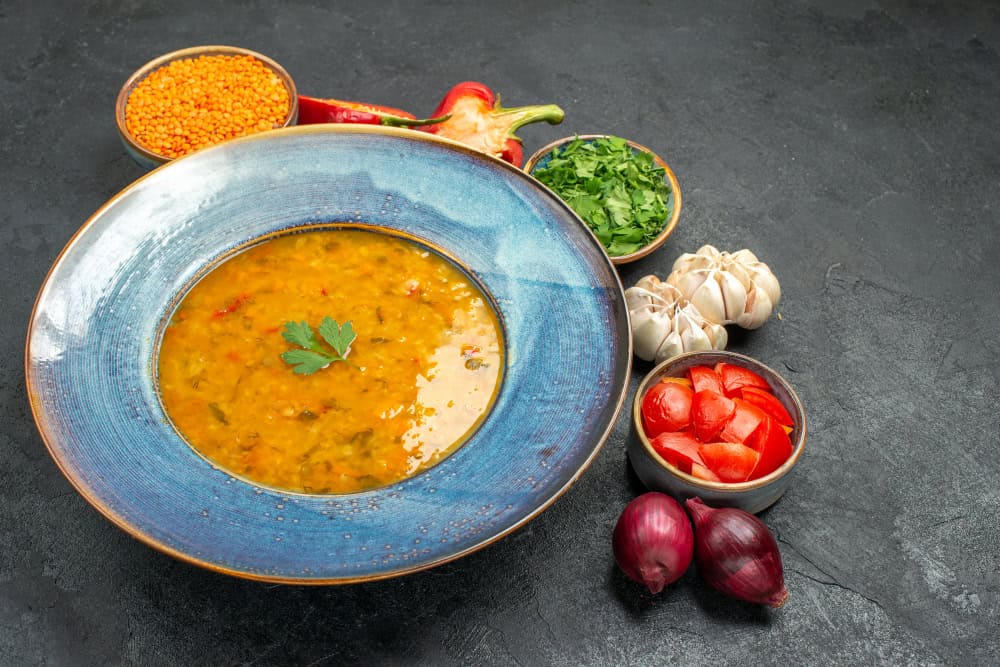
- Lentils and Dal: A staple of the Indian diet, masoor and moong dal are excellent sources of non-heme iron.
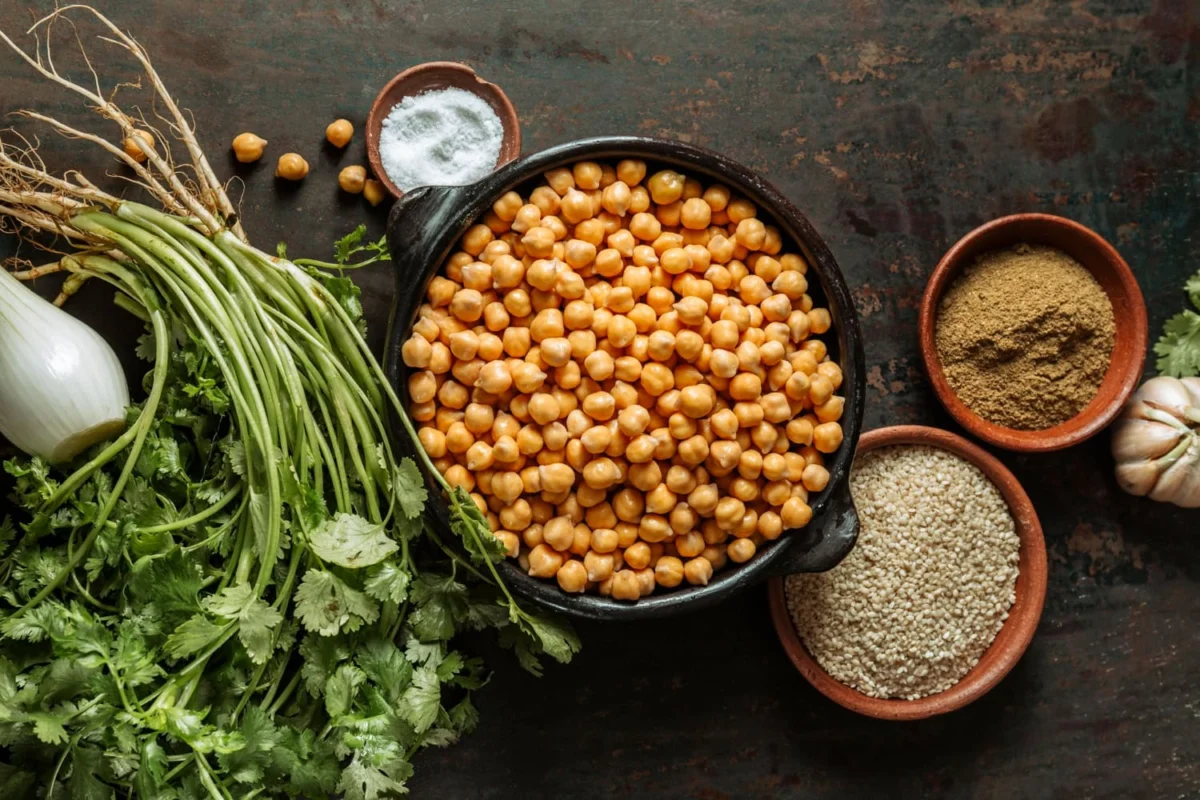
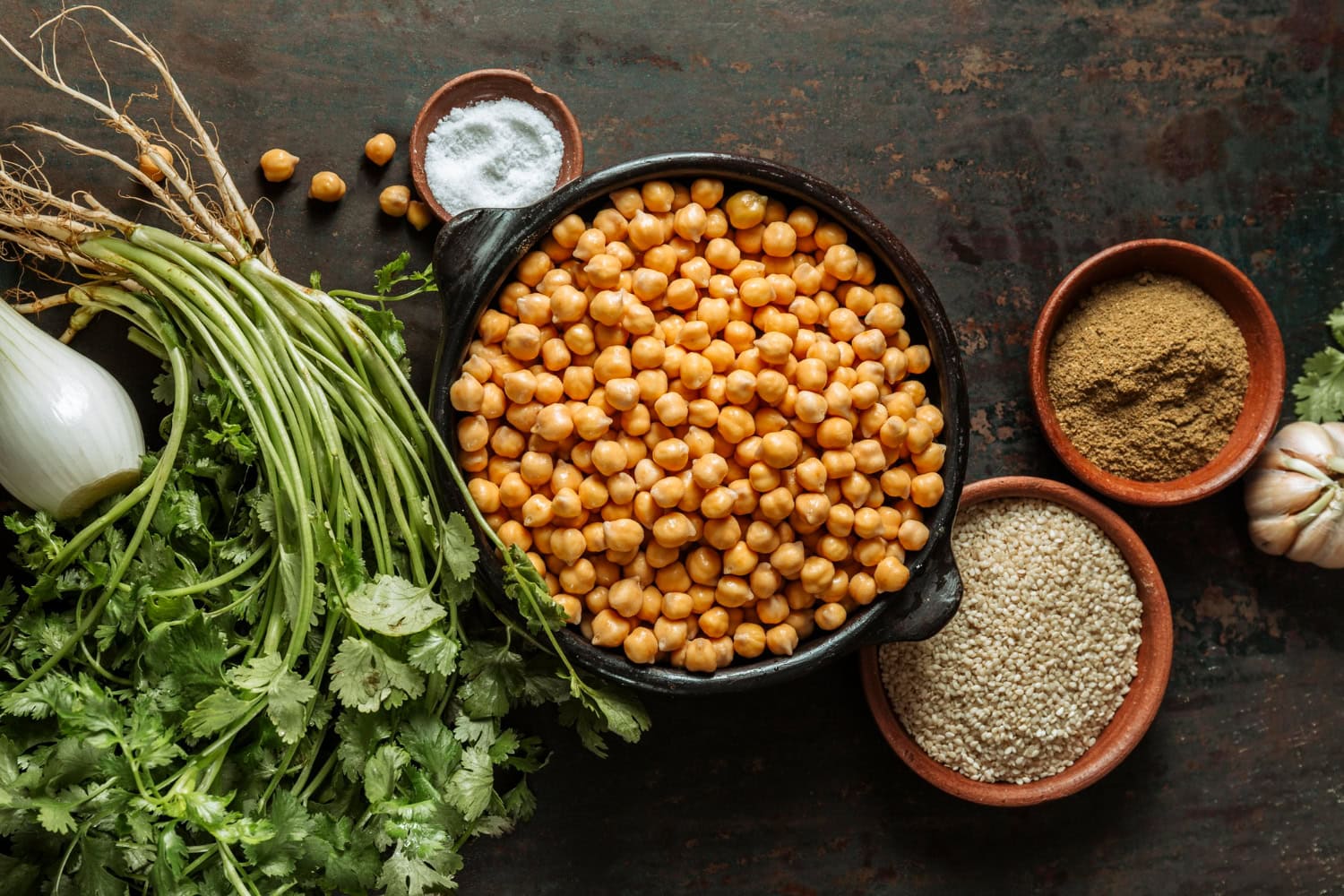
- Chickpeas and Legumes: Rajma, chole, and black-eyed peas are nutrient-dense powerhouses.
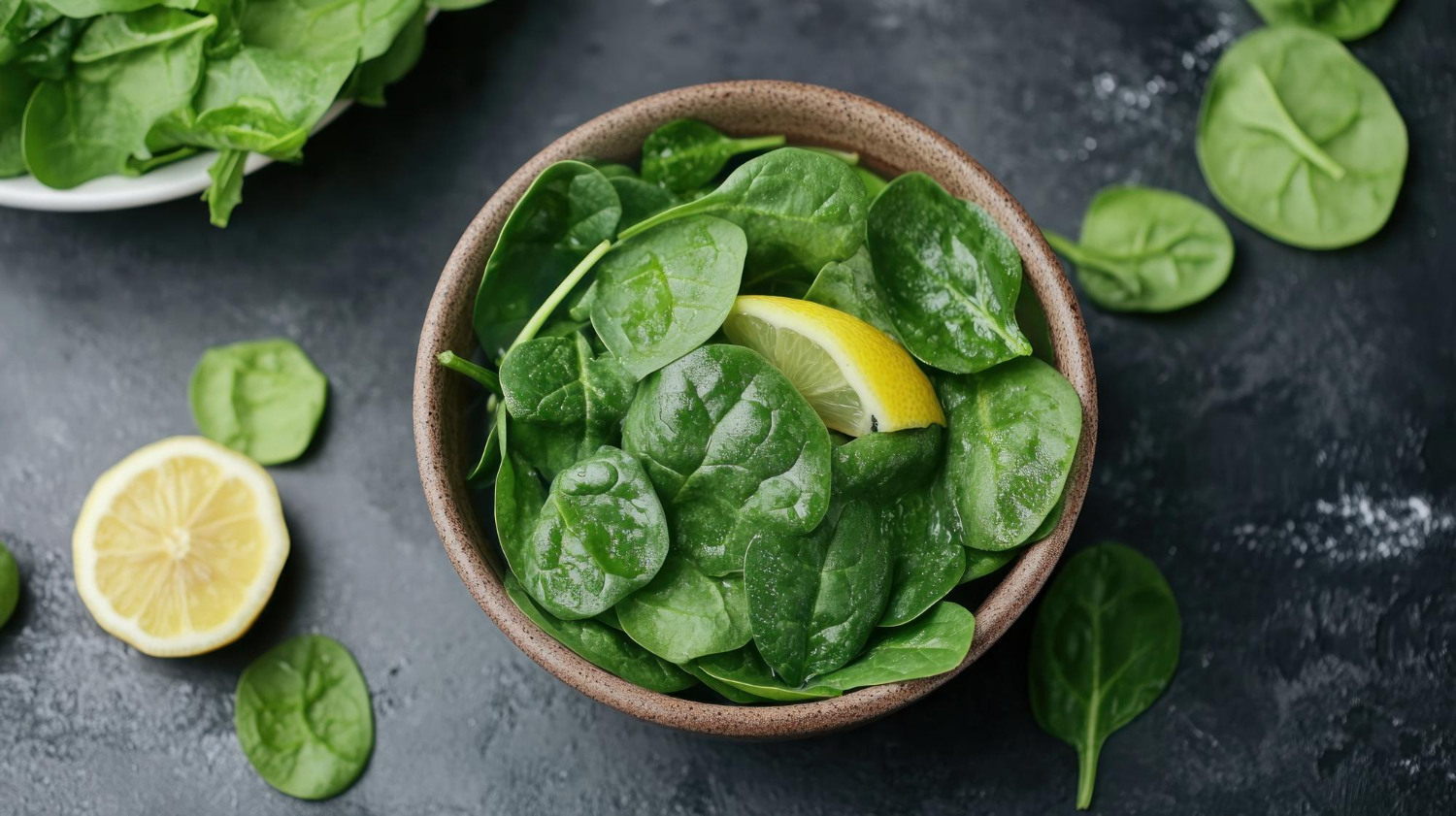
- Leafy Greens: Spinach (palak) remains the gold standard, providing folate alongside iron.
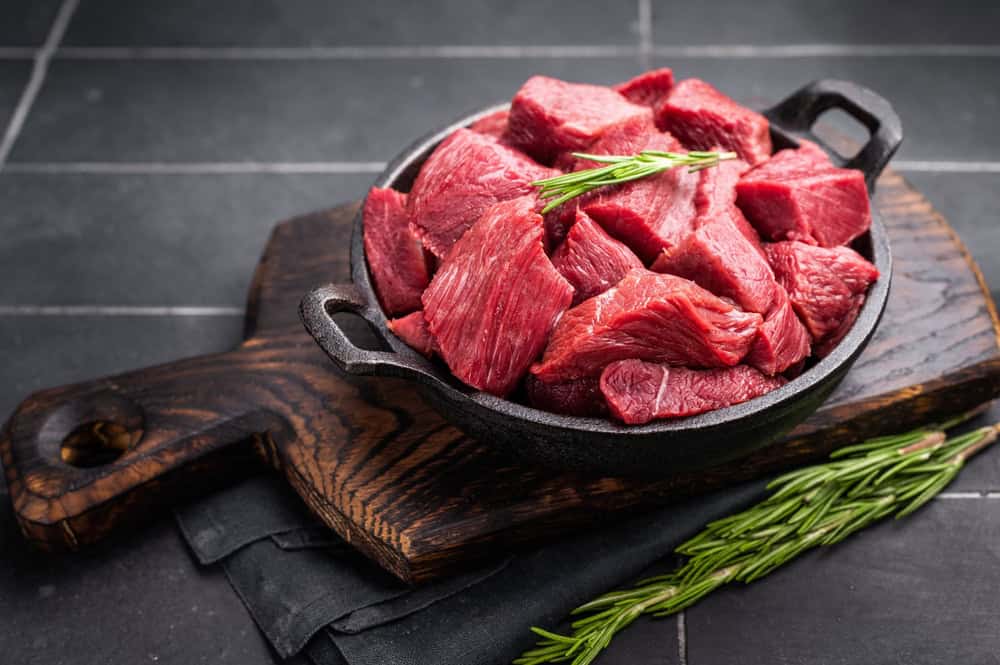
- Lean Meats: For non-vegetarians, lean red meat is an efficient source of highly absorbable heme iron.
- Poultry: Chicken and turkey offer a lean, protein-rich heme iron source.
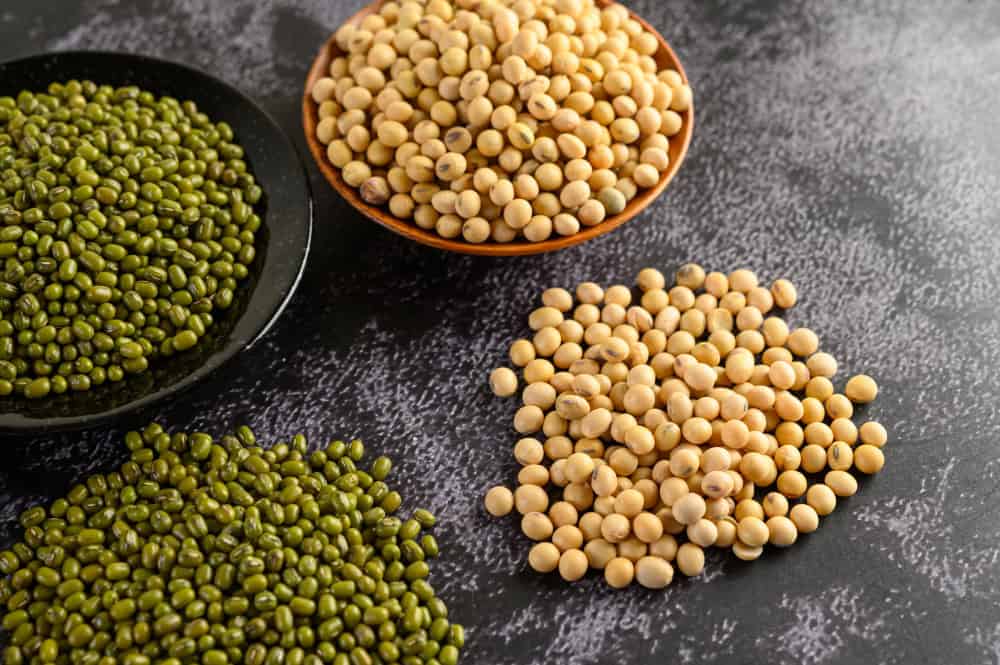
- Soybeans and Tofu: An excellent plant-based protein that pairs well with vitamin-C-rich vegetables.
- Sesame Seeds (Til): A tiny but mighty addition to chutneys and salads.
- Pumpkin Seeds and Nuts: Almonds and cashews serve as convenient snacks to bridge the gap between meals.
- Fortified Cereals: Look for labels indicating iron fortification, especially for breakfast options.
- Dried Fruits: Raisins and apricots provide a quick iron boost, though they should be consumed in moderation due to sugar content.
Official Responses and Clinical Guidelines
Under the Anemia Mukt Bharat Abhiyaan 2026, the clinical protocol for expectant mothers is clear and standardized:
| Pregnancy Stage | Recommended Intervention |
|---|---|
| From 2nd Trimester | 1 Red IFA tablet daily for 180 days |
| Tablet Composition | 60 mg elemental iron + 500 mcg folic acid |
| Dietary Support | Concurrent intake of locally available iron and Vitamin C sources |
Healthcare professionals emphasize that compliance is key. The "Red Tablet" is not a substitute for food but a medical safety net. Patients are advised to consult their doctor regarding the timing of iron and calcium supplements, as calcium can inhibit iron absorption if taken simultaneously.
Implications: Building a Better Plate
Building an iron-rich diet doesn’t require a degree in nutrition. It requires the application of "food synergy."
The Rule of Absorption
The most important takeaway for any pregnant woman is the Vitamin C connection. Non-heme iron (plant-based) is shy; it needs help to be absorbed. Adding lemon juice to dal, tossing tomatoes into your rajma, or pairing spinach with bell peppers can significantly increase your iron uptake.
What to Avoid
Conversely, certain dietary habits hinder iron absorption. Tannins and polyphenols found in tea and coffee can block iron uptake. It is recommended to avoid these beverages immediately before or after iron-rich meals. Furthermore, while the liver is rich in iron, it is strongly advised that pregnant women avoid it due to its high preformed Vitamin A content, which can pose risks to the developing fetus.

Addressing Common Myths
- "Can I rely on diet alone?" While a balanced diet is the foundation, if a clinical diagnosis of anaemia is made, dietary changes alone are insufficient. You must follow the prescribed course of iron supplements.
- "Is jaggery the best source of iron?" While often touted as a "superfood," jaggery should not be your primary iron source. Rely on pulses, legumes, and lean meats for consistent nutrient delivery.
- "Do I need to eat the same foods daily?" Diversity is the goal. Rotate your lentils, greens, and seeds to ensure a broad spectrum of minerals.
Conclusion: A Proactive Approach to Pregnancy
The journey through pregnancy is one of constant biological adjustment. By understanding the nuances of iron absorption, adhering to the 2026 Government of India guidelines, and maintaining a synergistic diet—pairing your iron sources with Vitamin C—you can effectively manage your health.
Remember, the goal is not to count every milligram but to create habits that support your body’s needs. Start by making small, consistent changes: a squeeze of lemon on your dal, a handful of seeds in your salad, and strict adherence to your prenatal supplement schedule as directed by your physician. Your health is the foundation upon which your baby’s growth is built; prioritize it with informed, science-backed choices.
References
- ICMR-NIN Expert Group on Nutrient Requirements for Indians (2020).
- National Institutes of Health (NIH), Office of Dietary Supplements (2025).
- American College of Obstetricians and Gynecologists (ACOG), Practice Bulletin No. 233 (2021).
- NHS, "Iron Supplements and Nutrition in Pregnancy" (2026).
- Ministry of Health and Family Welfare, Government of India, "Anemia Mukt Bharat Abhiyaan Operational Guidelines" (2026).
Disclaimer: This article is for informational purposes only and does not constitute medical advice. Always consult your obstetrician or a qualified healthcare provider before making significant changes to your diet or starting new supplements during pregnancy.