The Indian motorcycle landscape is witnessing a significant paradigm shift as Bajaj Auto continues its aggressive product offensive. The latest chapter in this story revolves around the iconic Pulsar NS200, a motorcycle that has served as the bedrock of Bajaj’s performance-oriented streetfighter lineup for over a decade. Recent leaks from dealer networks have confirmed that the next iteration of the NS200 will be its most technologically advanced version to date, featuring a suite of rider aids and electronic enhancements that were, until recently, reserved for premium, high-capacity motorcycles.
As Bajaj looks to solidify its dominance in the 200cc segment, this massive upgrade is clearly designed to counter increasing competition from manufacturers like TVS, KTM, and Yamaha. With the official launch imminent, the market is buzzing with anticipation regarding how these changes will impact the riding dynamics of one of India’s favorite motorcycles.
Main Facts: A Technological Leap for the NS200
The upcoming Bajaj Pulsar NS200 is not merely a cosmetic refresh; it is a fundamental transformation of the bike’s electronic architecture. Based on promotional material shared by dealers, the motorcycle is set to receive a major overhaul.
At the heart of these changes is the introduction of a Quickshifter, a feature that allows for seamless gear changes without the need for the clutch. While the specific details regarding whether this is a bi-directional unit (supporting both upshifts and downshifts) remain to be confirmed, its presence on a 200cc machine is a segment-first that promises to heighten the bike’s track-readiness and city-commuting agility.

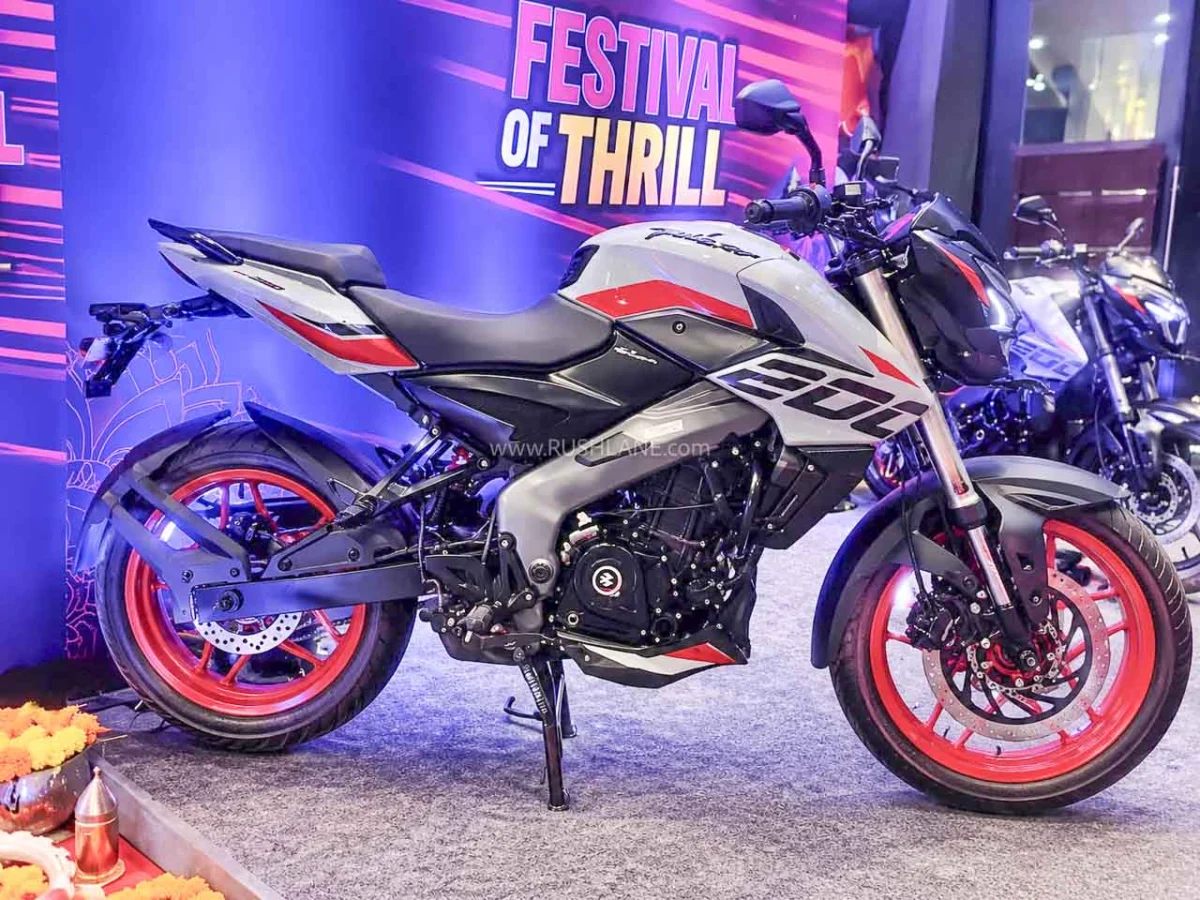
Complementing this is the integration of an Electronic Throttle Body (ETB), which paves the way for advanced rider-assistance systems. The bike will now feature Traction Control and four distinct ride modes, allowing users to tailor engine response and safety parameters to varying road conditions. The output remains a robust 25.5 PS, ensuring that the performance credentials of the bike remain as sharp as ever. Furthermore, the aesthetic appeal has been elevated with a striking "Nardo Grey" paint scheme, accented by vibrant red wheels and graphics, giving the bike a modern, aggressive, and premium look.
Chronology: The Road to the 2026 Upgrade
The journey toward this updated NS200 did not happen overnight. It is the culmination of a broader strategy initiated by Bajaj Auto to modernize the entire Pulsar portfolio.
- Early 2026: Speculation began when Bajaj started rolling out incremental updates to its smaller Pulsar models, including the N160 and the refreshed Pulsar 125/150 range.
- September 2026: The first clear signs of a major hardware shift appeared when spy shots surfaced of the NS200 and the high-performance NS400Z arriving at dealerships with new TFT instrument clusters.
- Early October 2026: The official launch of the NS400Z TFT variant set a new benchmark, confirming that Bajaj was committed to deploying high-end, digital-first interfaces across its performance sub-brand.
- Mid-October 2026: Dealerships across India began receiving promotional posters and materials, signaling that the NS200 was the next in line to receive the flagship treatment.
- Present Day: Select dealerships have opened unofficial bookings, suggesting that the formal market introduction is now only days away.
This timeline reflects a deliberate, phased approach by the manufacturer, ensuring that each model receives the necessary engineering validation before reaching the showroom floor.
Supporting Data: Diving into the Specs
The "New Gen" NS200 is effectively a study in how to add value to an established platform. Beyond the electronic suite, the bike retains the hardware that made it a success, while refining it for a new generation of riders.

The Display and Connectivity
The shift to a 5-inch TFT instrument console is perhaps the most visible change. This display is not just for show; it offers comprehensive smartphone integration, including Google Maps mirroring, which is a game-changer for urban commuters and tourers alike. The inclusion of new, ergonomically designed switchgear allows the rider to toggle through ride modes and navigation menus without taking their hands off the handlebars.
Ergonomics and Utility
Bajaj has clearly listened to customer feedback regarding daily utility. The addition of USB Type-C charging ensures that riders can keep their devices powered on the go, while the hazard switch and panic brake alert system add significant layers of safety. Furthermore, the presence of adjustable levers—a highly requested feature—will allow riders of different hand sizes to optimize their braking and clutch engagement, further personalizing the experience.
Chassis and Hardware
The bike retains its potent 37mm Upside-Down (USD) front forks, which, as per recent intelligence, are likely to be sourced with WP Apex internals. Coupled with radial tyres, the suspension geometry ensures that the NS200 remains one of the best-handling machines in its class. The Nardo Grey aesthetic is a clear nod to current automotive design trends, favoring a monochromatic look that highlights the muscular lines of the tank and the aggressive stance of the frame.
Official Responses and Market Positioning
While Bajaj Auto has yet to issue a formal press release detailing the exact pricing and state-wide availability, the movement at the dealer level is telling. Dealer principals have indicated that they are actively collecting inquiries, with many showrooms displaying the Nardo Grey test units to gauge customer reaction.

Industry analysts believe that by stuffing the NS200 with features typically found on 400cc+ motorcycles, Bajaj is attempting to "future-proof" the product. By creating a segment where the 200cc class is no longer just about raw power, but also about smart electronics and rider safety, Bajaj is effectively raising the barrier to entry for its competitors.
The company’s focus on a "TFT-first" strategy is a response to a younger, tech-savvy demographic that views motorcycle connectivity as being just as important as engine displacement. By standardizing these features, Bajaj is also likely optimizing its manufacturing costs, utilizing a common pool of electronic components across the NS200, NS400Z, and potentially the upcoming RS200.
Implications: A Shifting Competitive Landscape
What does this update mean for the Indian motorcycle market?
- Normalization of Premium Features: The introduction of traction control, ride modes, and quickshifters in the 200cc segment will force other manufacturers to accelerate their own development cycles. The "standard" for entry-level performance bikes has effectively been pushed up.
- Increased Price Point Expectations: With a substantial increase in hardware and software, market observers anticipate a price hike over the outgoing model. However, given the "value-for-money" reputation of the Pulsar brand, Bajaj will likely aim to keep this well under the price point of its more expensive rivals.
- The "RS" Factor: With an updated RS200 also caught testing, it is clear that the performance lineage of the Pulsar is undergoing a total renaissance. The NS200 is merely the spearhead of a broader evolution.
- Dealer Confidence: The fact that dealers are proactively promoting these bikes even before a nationwide launch suggests that the inventory is ready and that Bajaj is prepared for a swift, wide-scale distribution.
Conclusion: The Future of the Pulsar Legacy
The Bajaj Pulsar NS200 has always been a motorcycle that prioritized the "thrill of the ride." By marrying its proven mechanical performance with a suite of modern, digitized safety and convenience features, Bajaj is ensuring that the NS200 remains relevant in a world where performance is increasingly defined by how a bike uses its electronics to help the rider.

As the launch date approaches, the excitement surrounding the Nardo Grey edition and its sophisticated feature list is palpable. For the veteran Pulsar enthusiast, this is the upgrade they have been waiting for. For the new rider, it represents the perfect entry point into a high-performance, technology-rich motorcycling experience. Bajaj has once again proven that it knows exactly how to evolve a legend without losing its soul. The streets are about to get a lot more interesting.