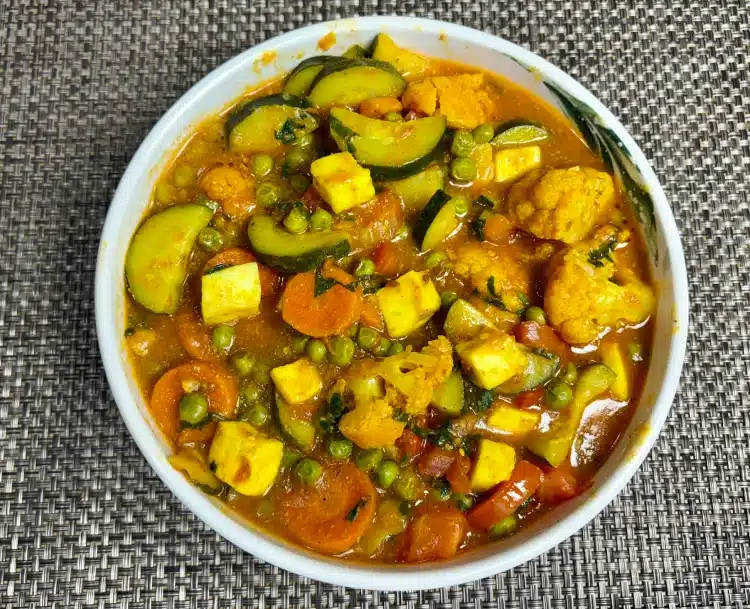
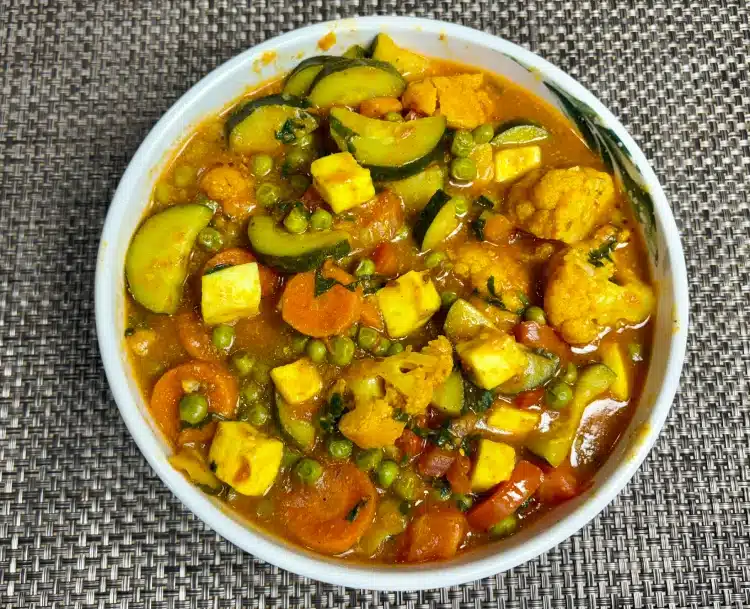
In the landscape of Indian home cooking, few dishes strike the perfect balance between nutritional density, ease of preparation, and pure, soul-warming comfort like the Mixed Vegetable Paneer Masala. A staple in households across the subcontinent and a beloved fixture on restaurant menus globally, this curry is a testament to the versatility of the Indian kitchen. By combining the textural integrity of garden-fresh vegetables with the delicate, protein-rich softness of paneer—all enveloped in a robust, aromatic tomato gravy—this dish transcends the mundane to become a celebration of flavor.
Main Facts: The Anatomy of a Classic
At its core, the Mixed Vegetable Paneer Masala is a symphony of contrasting textures and balanced spices. Unlike more complex, heavy-cream-laden curries, this version—often prepared without the inclusion of onions and garlic—relies on the natural acidity of tomatoes and the warmth of traditional Indian aromatics to provide depth.
The primary appeal of this dish lies in its accessibility. Whether you are a novice cook looking for a reliable weeknight staple or a seasoned chef aiming to perfect a "sattvic" (pure, plant-focused) meal, this recipe offers a forgiving yet sophisticated platform. It is a dish that highlights the inherent quality of its components: the bite of carrots and beans, the earthiness of cauliflower, and the creamy, mild profile of fresh paneer.
Chronology: The Evolution of a Home-Kitchen Favorite
The origins of mixing vegetables with paneer can be traced back to the broader tradition of Sabzi (vegetable) preparation in North Indian cuisine. Historically, paneer was a luxury ingredient, often reserved for festive occasions or temple offerings. As modern refrigeration and commercial dairy production made paneer more accessible, it transitioned from a special-occasion indulgence to a kitchen staple.
The methodology of preparing this dish has evolved alongside modern technology. In the mid-20th century, preparing a tomato-based gravy required labor-intensive stone grinding of spices and long hours of reduction. Today, the process is streamlined. The modern culinary approach favors the "one-pot" philosophy—sautéing, simmering, and finishing in a single vessel. This shift has not only reduced preparation time but has also empowered the home cook to experiment with the textural consistency of the vegetables, moving away from the "over-boiled" approach of the past toward a more vibrant, al dente finish.
Supporting Data: Why This Dish Reigns Supreme
Nutritionally, the Mixed Vegetable Paneer Masala is a powerhouse. When prepared with a variety of seasonal vegetables, the dish provides a high concentration of vitamins A, C, and K, alongside essential dietary fiber. Paneer, a fresh, non-aged cheese, offers a significant boost of high-quality protein and calcium, making this dish an ideal post-workout meal or a nutrient-dense option for growing children.
From a culinary data perspective, the "no-onion, no-garlic" variation—often associated with temple or satvik food—is gaining traction in the global health-conscious community. By removing the pungent alliums, the natural sweetness of the tomato base and the nuanced notes of ginger, cumin, and turmeric are allowed to take center stage. This makes the dish easier to digest and appeals to a wider demographic, including those following specific dietary restrictions or religious fasting guidelines.
Culinary Implications and Techniques
To truly master this dish, one must move beyond the simple act of following instructions and delve into the science of the kitchen.
The Secret to Soft Paneer
The most common complaint regarding paneer-based dishes is the hardening of the cheese. The solution is rooted in thermodynamics. Paneer is a protein structure that tightens when exposed to extreme, prolonged heat. By soaking the cubes in warm water for 5 to 10 minutes prior to adding them to the gravy, you hydrate the curd. Furthermore, adding the paneer in the final three minutes of the cooking process ensures that it absorbs the flavors of the masala without losing its pillowy texture.
Balancing the Tomato Gravy
The acidity of the tomatoes provides the backbone of the flavor profile. If the tomatoes are particularly tart, a pinch of sugar or a small amount of cashew paste can act as a buffer, mellowing the sharp edges. Conversely, if you prefer a restaurant-style finish, incorporating a small amount of heavy cream or butter at the final stage adds an emulsified sheen that coats the vegetables and provides a luxurious mouthfeel.
Official Perspectives: Chefs and Nutritionists Weigh In
Culinary experts often emphasize that the "Mixed Vegetable" aspect of the recipe is inherently flexible. "The beauty of this curry is its seasonality," says a leading culinary instructor. "In winter, you have the benefit of fresh peas and cauliflower, which provide a different structural profile than the summer squash and beans. It is a dish that evolves with the calendar."
Nutritionists frequently endorse the dish for its ability to hide diverse vegetables within a palatable, savory sauce. "For many, especially children, the texture of boiled vegetables can be off-putting," notes a clinical dietitian. "When those same vegetables are incorporated into a rich, aromatic tomato masala, the psychological barriers to consumption disappear. It is a highly effective way to increase plant intake."
Frequently Asked Questions (FAQs)
To ensure the best possible outcome for your cooking endeavors, here are the answers to the most common queries regarding this recipe.
1. Can I make this paneer curry without onion and garlic?
Yes, this recipe is designed to be fully compliant with onion-free and garlic-free diets. By utilizing ginger, asafoetida (hing), and a robust blend of dry spices, you can create a depth of flavor that mimics the complexity of onion-based curries without the pungency.
2. How do I keep paneer soft in the curry?
The key is heat management. Do not fry your paneer until it is rock-hard; a light sear is sufficient. Most importantly, add the paneer at the very end of the cooking process.
3. Can I use frozen vegetables for this recipe?
Absolutely. Frozen vegetables are harvested at the peak of their nutritional value and are often more consistent in quality than "fresh" vegetables that have been in transit for days. They can be added directly to the simmering gravy.
4. What can I use instead of cornstarch?
If you are aiming for a cleaner ingredient list, skip the starch entirely. Instead, use a tablespoon of cashew paste or poppy seed paste. These act as natural thickeners and provide a rich, nutty undertone to the gravy.
5. Is this recipe spicy?
Spice is subjective. The base recipe is designed for a mild-to-medium palate. You can increase the heat by adding fresh green chilies during the tempering process (tadka) or by using a higher ratio of Kashmiri red chili powder, which provides vibrant color without excessive heat.
6. Can I prepare this curry in advance?
Yes. Like many stews and braises, this dish benefits from sitting. The flavors of the spices penetrate the vegetables more deeply over time. Store it in an airtight container in the refrigerator and gently reheat, adding a splash of water to loosen the gravy.
7. What vegetables are best for this curry?
While there are no strict rules, the best vegetables are those that hold their shape. Cauliflower, carrots, French beans, and green peas are the "holy quartet" of mixed veg curry. Avoid vegetables that disintegrate, such as zucchini or watery greens, unless you prefer a thicker, mashed-style gravy.
8. What is the best way to serve this dish?
Serve it steaming hot. Pair it with a starch that can act as a vessel for the gravy—naan, roti, or buttered paratha are traditional favorites. If you prefer a lighter meal, steamed Basmati rice or even a side of quinoa works remarkably well.
9. Can I make this curry vegan?
Yes. Simply substitute the paneer with firm, pressed tofu. Ensure you press the moisture out of the tofu beforehand to allow it to soak up the gravy.
10. How do I achieve that restaurant-style "rich" texture?
Restaurant curries often use a base of blended onions and cashews. To mimic this at home without the onions, double down on the cashew paste and use high-quality butter or ghee. A small finish of kasuri methi (dried fenugreek leaves) crushed between your palms just before serving will provide that distinct, professional aroma.
Final Reflections
The Mixed Vegetable Paneer Masala is more than just a recipe; it is an institution. It represents the harmony of home-cooked values—health, flavor, and economy. By mastering the fundamental techniques of gravy building and vegetable prep, you aren’t just making dinner; you are engaging in a culinary tradition that has nourished generations. Whether you are serving it for a quiet family dinner or a festive gathering, its presence on the table is a guarantee of satisfaction. Grab your pan, gather your spices, and prepare to create a dish that is sure to become a permanent fixture in your home.