In an era where processed snacks often dominate our pantries, a quiet revolution is taking place in home kitchens across the globe. Culinary experts and home cooks alike are turning their attention toward the humble vegetable patty—a versatile, nutrient-dense, and deeply comforting staple that bridges the gap between traditional family values and modern nutritional needs. At the heart of this movement is a shift toward recipes that prioritize fresh, shredded produce like potatoes, carrots, and zucchini, reinforced by plant-based proteins such as moong dal.
This article explores the rising popularity of these patties, examining the culinary mechanics that make them a success, the nutritional implications of incorporating plant-based proteins, and why they have become a sentimental favorite for generations of families.
Main Facts: The Anatomy of a Perfect Patty
The appeal of a vegetable patty lies in its structural integrity and its flavor profile. To achieve that coveted "crispy on the outside, soft on the inside" texture, one must master the balance of moisture and binding agents.
The core ingredients typically include:
- Base Vegetables: Shredded potatoes provide the necessary starch for binding, while carrots and zucchini introduce sweetness, fiber, and essential vitamins.
- Protein Source: Moong dal (split yellow mung beans) serves as a traditional, high-protein binder. It offers a subtle earthy flavor that complements the vegetables while ensuring the patty is satiating.
- Binding Agents: To prevent the patties from falling apart during the cooking process, culinarians often utilize cornstarch or breadcrumbs, which absorb excess moisture and create a firm structure.
- Preparation Method: While traditional methods favor deep-frying, modern health-conscious trends lean heavily toward stovetop grilling, air-frying, or baking, which significantly reduce the caloric footprint while maintaining that characteristic crunch.
Chronology: From Grandma’s Kitchen to the Modern Table
The vegetable patty has a long, storied history in global cuisine, appearing in various forms from the Indian aloo tikki to the Western-style veggie burger. However, its recent resurgence is linked to the "grandmother-led" culinary movement.
- The Nostalgia Catalyst: For many, the memory of vegetable patties is tied to the kitchen of a grandmother—a Dadi or Nani—who mastered the art of transforming simple garden harvests into a delicious, child-friendly meal.
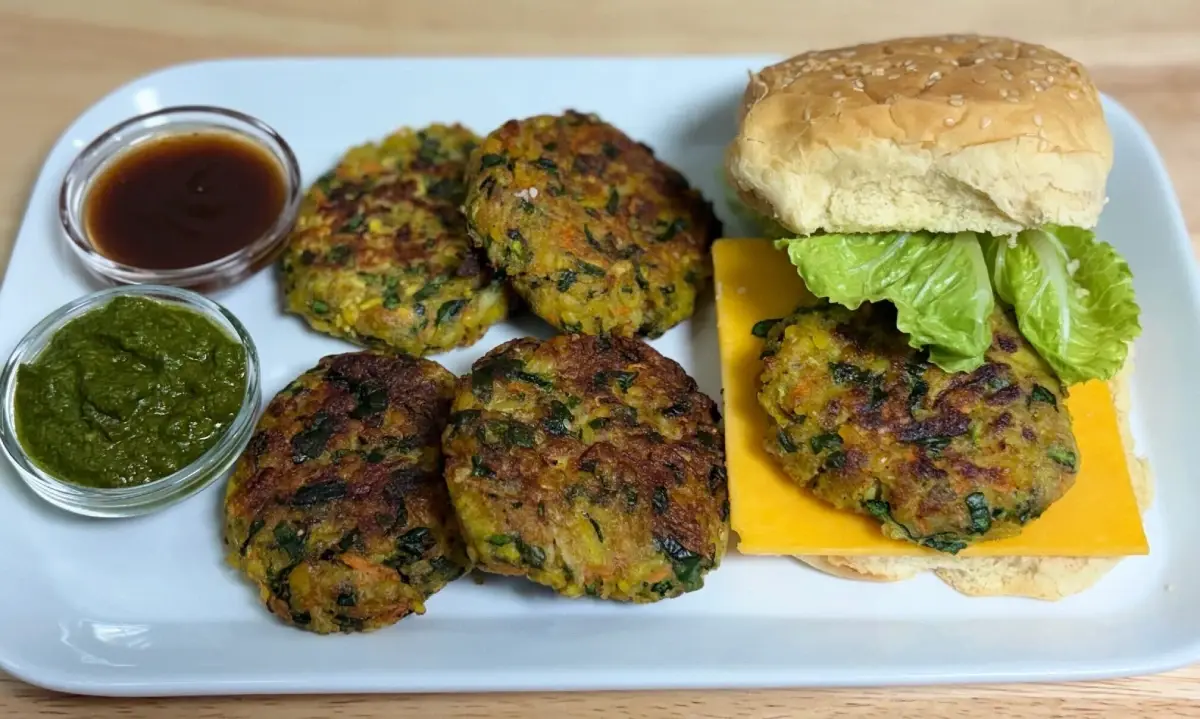
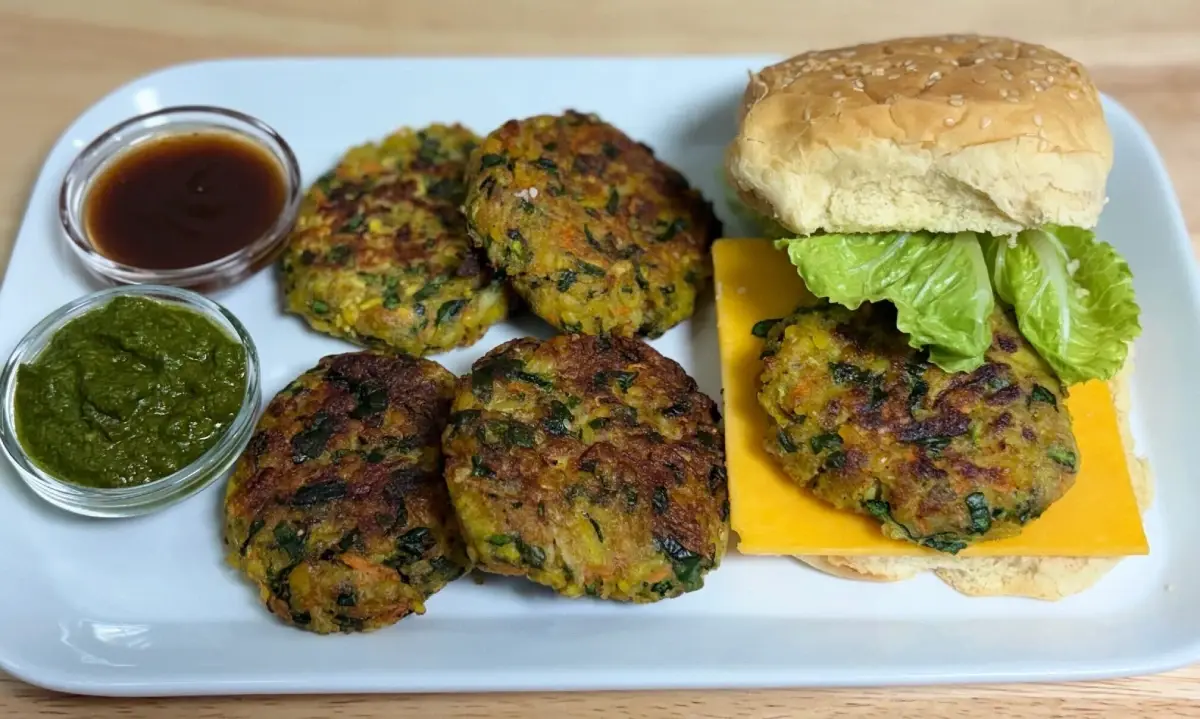
- The Iterative Process: As grandchildren grow, these recipes evolve. What starts as a simple afternoon snack often transitions into a lunchbox staple, a post-school fuel, or even a base for more sophisticated sandwiches topped with artisanal cheeses.
- The Digital Adaptation: In the digital age, recipes like these have found a second life on platforms like Manjula’s Kitchen. By documenting these heirloom techniques, home cooks are preserving culinary traditions that might otherwise be lost to the convenience of pre-packaged alternatives.
Supporting Data: The Nutritional Advantage
Switching from processed frozen snacks to homemade vegetable patties offers significant health benefits.
The Protein-Fiber Synergy
By incorporating moong dal, a single serving of vegetable patties can provide a significant portion of a person’s daily protein requirement without the saturated fats found in animal-based patties. When paired with the high fiber content of zucchini and carrots, the digestion process is stabilized, providing sustained energy rather than the rapid blood sugar spikes associated with high-carbohydrate, processed snacks.
Caloric Control
According to nutritional guidelines, pan-grilling or air-frying vegetables instead of deep-frying reduces fat content by approximately 40% to 60%. Furthermore, the ability to control sodium levels at home—unlike commercial brands that rely on preservatives and excessive salt—makes the homemade version a heart-healthy alternative for families.
Official Perspectives and Culinary Best Practices
Culinary experts and nutritionists frequently weigh in on the "science" of the patty. When asked how to ensure the best results, the consensus among professionals aligns with the following techniques:
Moisture Management
The most common point of failure for a home cook is failing to extract moisture from the vegetables. Zucchini, in particular, is highly water-dense. Applying salt to the shredded vegetables and allowing them to "sweat" for 15 minutes before squeezing them dry is a non-negotiable step in achieving a crispy crust.
The Role of Binding
If a cook prefers to avoid breadcrumbs, they can rely on the natural starches in potatoes or the thickening properties of cooked lentils. For those needing a gluten-free option, chickpea flour (besan) is a widely recommended alternative that adds an extra boost of protein and a nutty depth.
Implications: The Social and Emotional Value of Homemade Food
Beyond the chemistry of cooking, the rise of the vegetable patty represents a broader shift in how we value domestic labor.
The "Dadi Effect" and Food Security
There is an undeniable emotional component to the kitchen. When a caregiver prepares a meal, the act itself is a form of communication. For children, the request for a specific, familiar dish like a vegetable patty is a way of seeking comfort. This creates a feedback loop: the caregiver feels valued because their cooking is enjoyed, and the child feels secure because they are being nourished by a trusted source.
Sustainability and Waste Reduction
The vegetable patty is, at its core, a "zero-waste" recipe. It is the perfect vessel for leftover vegetables—the slightly wilted carrots, the half-used zucchini, or the extra boiled potatoes sitting in the fridge. By repurposing these ingredients into a cohesive, delicious meal, households can significantly reduce their food waste footprint.
Future Outlook
As we look toward the future of home cooking, the emphasis on "whole-food, plant-forward" eating is only expected to grow. The vegetable patty is perfectly positioned to remain a mainstay. Its adaptability means it can shift to accommodate new dietary trends—such as keto-friendly cauliflower bases or high-fiber quinoa inclusions—without losing its identity as a comforting, accessible, and delicious snack.
Frequently Asked Questions: Addressing the Home Cook
Q: Can these patties be frozen for later use?
A: Yes, absolutely. Once the patties are shaped, they can be placed on a parchment-lined tray and frozen until firm, then transferred to a freezer-safe bag. They can be cooked directly from frozen, though they may require an additional two to three minutes of cooking time.
Q: Is there a substitute for moong dal?
A: If moong dal is unavailable, cooked chickpeas or black beans can be mashed into the mixture. The goal is to provide a structural binder that also offers protein.
Q: Why do my patties turn out soggy?
A: Sogginess is almost always caused by excess moisture. Ensure that your shredded vegetables are squeezed dry using a muslin cloth or a kitchen towel. Additionally, avoid overcrowding the pan, as this lowers the temperature and causes the vegetables to steam rather than crisp.
Q: Can these be served at events or parties?
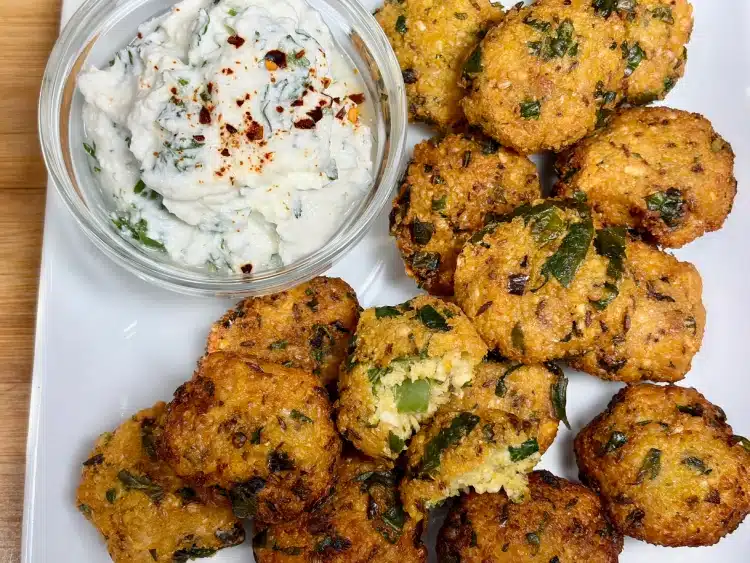
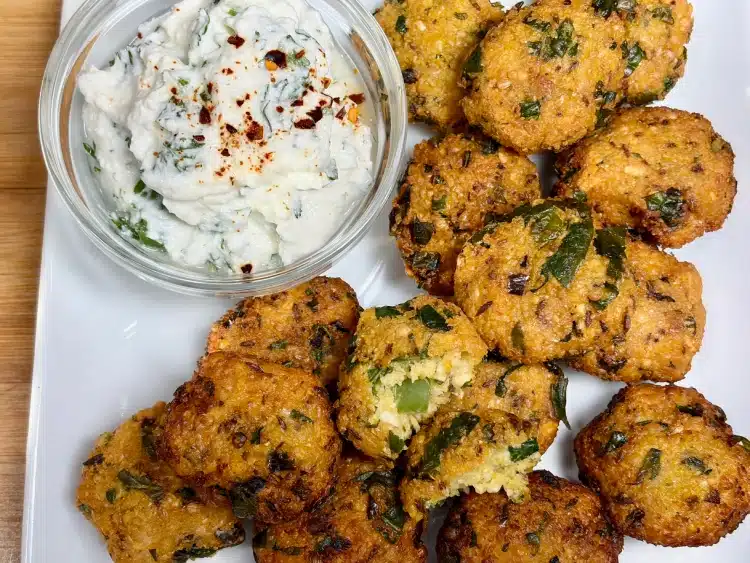
A: These patties are excellent finger foods. For events, consider shaping them into smaller, "slider" sizes. They can be paired with a variety of dips, such as a spicy green cilantro-mint chutney, a tangy tamarind glaze, or a cooling yogurt-cucumber dip (raita).
Conclusion
The humble vegetable patty is more than just a recipe; it is a testament to the endurance of traditional cooking methods in a fast-paced world. Whether it is being served as a quick after-school snack, a creative sandwich filler, or a sophisticated appetizer, the vegetable patty offers a rare combination of nutritional density, economic efficiency, and emotional satisfaction. By embracing the simplicity of these ingredients, we not only feed our bodies but also nurture the memories and traditions that make a house a home.
As we continue to navigate the complexities of modern dietary choices, the lesson from the kitchen is clear: sometimes, the most sophisticated answer to our nutritional needs is the simplest one—shredded vegetables, a bit of spice, and the intention to create something made with love.