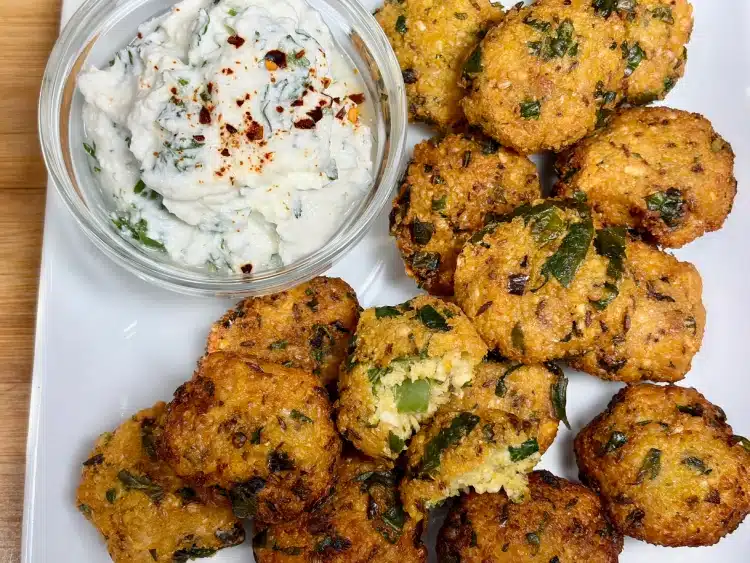
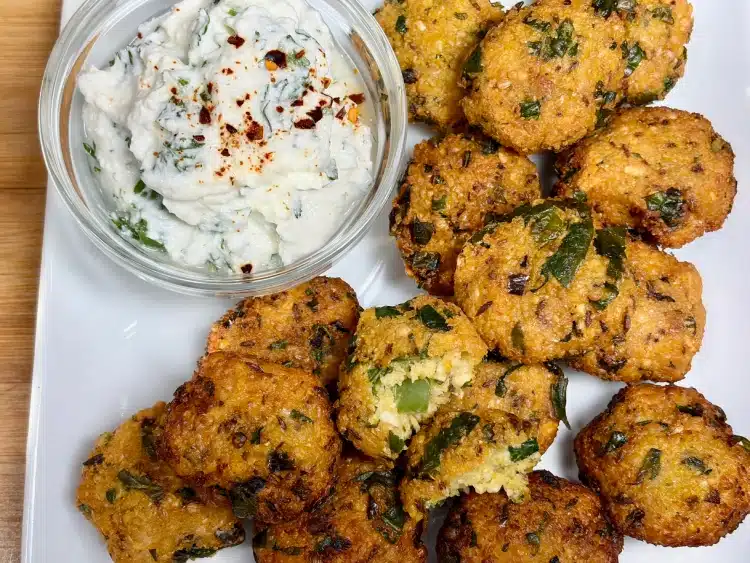
In the vast, aromatic landscape of Indian culinary tradition, few items evoke as much nostalgia as the humble vada or pakora. Among these, the Mix Dal Crispy Vada stands out not merely as a snack, but as a testament to the sophistication of plant-based protein preparation. Characterized by a satisfying, golden-brown exterior and a tender, flavor-dense interior, this traditional fritter has transcended its origins in home kitchens to become a beloved staple of tea-time culture and street food stalls alike.
Main Facts: The Anatomy of a Perfect Dal Vada
At its core, the Mix Dal Vada is an exercise in textural balance. By utilizing a blend of different lentils—each contributing a distinct profile—the dish achieves a complexity that single-lentil varieties often lack.
The primary scientific principle behind the perfect vada lies in the moisture content of the batter. Unlike other fritters that rely on heavy batters, the authentic dal vada is crafted from a coarse, thick paste of soaked lentils. This is critical: by avoiding excess water during the grinding process, the cook ensures that the fritter does not become an oil-sponge. Instead, the thick batter allows for a rapid sear, creating a crust that protects the soft, spiced interior, resulting in a snack that is nutritionally dense and sensory-rich.
Beyond the flavor, these vadas are a powerhouse of plant-based protein. For a demographic increasingly moving toward gluten-free and vegan-friendly snacks, the dal vada serves as an ideal solution, bridging the gap between indulgence and health-conscious eating.
Chronology: From Ancient Kitchens to Modern Tables
The history of the vada is deeply rooted in the agrarian history of the Indian subcontinent. Lentils have been a dietary staple in South Asia for millennia, and the practice of soaking, grinding, and frying them is an ancient technique used to preserve protein and improve digestibility.
- The Pre-Industrial Era: Initially, vadas were simple, sustenance-based foods prepared in rural households to utilize the bounty of the harvest. The addition of local spices like cumin, ginger, and green chilies served both as flavor enhancers and as digestive aids.
- The Colonial Transition: During the colonial period, the tea-time ritual (inspired by British influence) began to merge with local snack traditions. The "chai-pakora" combination became an iconic pairing, cementing the vada’s place as the ultimate accompaniment to a hot cup of tea.
- The Modern Culinary Renaissance: In the last two decades, the vada has seen a resurgence. Thanks to global platforms and the digital culinary movement, traditional recipes have been refined. Chefs and home cooks alike are now experimenting with air-frying and baking, proving that while the traditional deep-fried method remains the gold standard for texture, the dish is highly adaptable to modern health requirements.
Supporting Data: Why Lentils Remain the Superior Snack Choice
Nutritionally, the Mix Dal Vada is a significant upgrade from standard processed snacks. When analyzed for nutritional density, the mixture of lentils (such as moong, masoor, and chana dal) offers a complete profile of essential amino acids.
| Nutrient | Benefit for Consumers |
|---|---|
| Protein | High satiety levels, aids in muscle repair. |
| Dietary Fiber | Promotes digestive health and blood sugar regulation. |
| Iron & Magnesium | Essential for energy levels and cognitive function. |
| Complex Carbs | Provides sustained energy, avoiding "sugar crashes." |
Furthermore, the process of soaking the dal is not merely for softening; it is a vital step in "activating" the nutrients. Soaking lentils reduces phytic acid, an anti-nutrient that can inhibit the absorption of minerals. By following the traditional method of soaking and then grinding, the cook is essentially performing a biochemical upgrade on the raw ingredients before the heat is even applied.
Official Perspectives: Expert Tips for Culinary Success
Culinary experts, including proponents of traditional Indian home cooking, emphasize that the success of a vada is determined before it touches the oil. The following guidelines are considered "best practices" in the industry:
The "No-Water" Rule
The most common mistake reported by novice cooks is the addition of too much water. A loose batter will inevitably result in a soggy, oily vada. The aim is a "scoopable" consistency. If the batter feels too thin, many professionals suggest adding a small amount of besan (gram flour) or rice flour to bind the mixture without compromising the structural integrity of the lentils.
Temperature Management
Deep frying is a science of thermal dynamics. If the oil is too cool, the vada will absorb excess fat. If the oil is too hot, the exterior will burn before the inside is cooked. The "sweet spot" is medium-heat, which allows the heat to penetrate the center of the vada, ensuring the lentils are thoroughly cooked while the exterior develops that signature crispiness.
The Role of Aromatics
The profile of a high-quality vada is elevated by fresh ingredients. Finely chopped ginger, green chilies, and fresh cilantro are not optional—they provide the "lift" that cuts through the richness of the fried pulse.
Implications: The Future of Traditional Snacks
The popularity of the Mix Dal Vada has significant implications for the future of the snack food industry. As consumers pivot away from ultra-processed snacks toward "whole-food" alternatives, the dal vada is perfectly positioned to capture this market share.
The Rise of "Healthy Indulgence"
There is a growing trend toward "mindful snacking." The dal vada represents the intersection of tradition and health. Because it is naturally gluten-free and easily made vegan, it appeals to a broad demographic. We are seeing a shift where the "street food" tag is no longer a negative; instead, it is viewed as authentic, transparent, and artisan-quality.
Sustainability and the Global Pantry
Lentils are among the most sustainable crops on the planet. They require significantly less water than most animal proteins and improve soil health through nitrogen fixation. As climate consciousness grows, the shift toward legume-based diets is expected to accelerate. The Mix Dal Vada serves as a delicious ambassador for this sustainable food movement, proving that low-impact ingredients can yield world-class culinary experiences.
Addressing Common Queries
As the popularity of this dish grows, many home cooks seek clarity on the technical aspects of the preparation.
1. The Versatility of the Base:
While purists prefer the traditional blend of moong and masoor, the recipe is inherently flexible. Adding spinach or fenugreek leaves can transform a standard vada into a nutrient-dense vegetable fritter.
2. The Storage Paradox:
A frequently asked question concerns the longevity of the batter. While fresh is always best, the batter can be stored in an airtight container in the refrigerator for up to 24 hours. However, it is vital to bring the batter to room temperature before frying to ensure even cooking.
3. The Reheating Challenge:
The biggest challenge with fried foods is the loss of crispiness upon cooling. Experts recommend avoiding the microwave, which introduces steam and softens the crust. Instead, a quick pass through an air fryer or a toaster oven at 350°F (175°C) for three to five minutes will restore the original texture perfectly.
Conclusion
The Mix Dal Vada is more than a recipe; it is a sensory journey that connects the present-day consumer to a lineage of culinary wisdom. Whether it is enjoyed on a rainy afternoon with a cup of masala chai or served as a sophisticated appetizer at a social gathering, the vada remains an unmatched experience of taste and texture. By understanding the science of the lentils, respecting the traditional methods, and embracing the flexibility of the ingredients, any home cook can master this timeless Indian snack. It serves as a reminder that the best food is often the simplest—provided it is made with intention, patience, and a respect for the ingredients at hand.