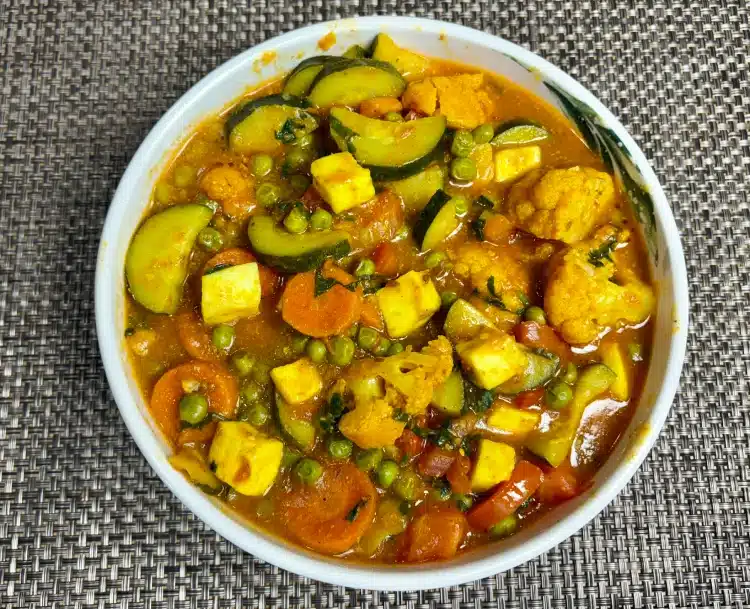
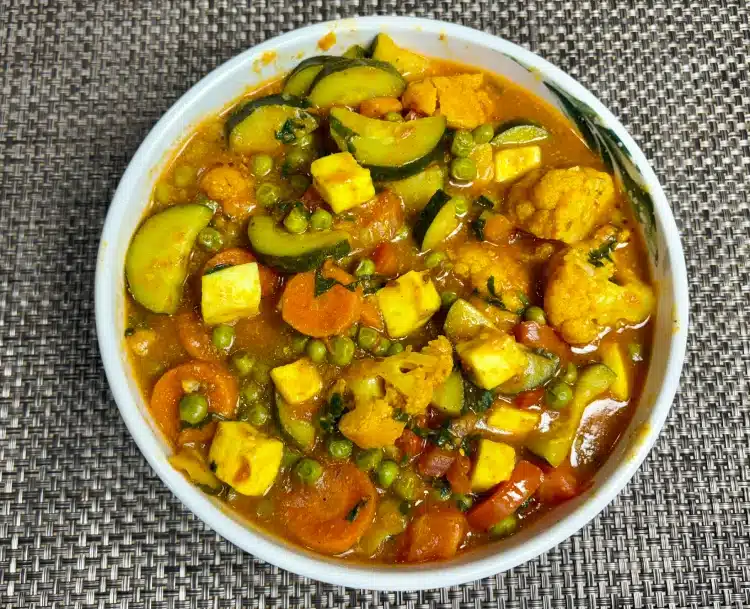
In the vast landscape of Indian cuisine, few dishes strike the balance between nutritional density and indulgent flavor as effectively as the Mixed Veggie Paneer Masala. A staple in households across the subcontinent and a perennial favorite in fine-dining establishments, this dish serves as a testament to the versatility of simple, high-quality ingredients. By combining the textural richness of fresh, seasonal vegetables with the velvety, protein-packed nature of paneer (Indian cottage cheese), all enveloped in a robust, aromatic tomato-based gravy, it creates a dining experience that is both comforting and sophisticated.
Whether you are a seasoned chef looking to master a classic or a home cook seeking a reliable recipe for a busy weeknight, understanding the nuances of this dish is essential. This article explores the cultural significance, culinary techniques, and expert tips required to perfect this beloved North Indian delicacy.
The Main Facts: Why This Curry Reigns Supreme
The Mixed Veggie Paneer Masala is more than just a combination of ingredients; it is a carefully calibrated harmony of flavors. At its core, the dish relies on the "masala"—a complex blend of spices and aromatics—that provides the foundation for the entire meal.
Unlike many heavy, cream-laden curries, the traditional version of this recipe often skips the need for onion and garlic, relying instead on the natural acidity and sweetness of tomatoes combined with spices like ginger, cumin, and turmeric. This makes it a preferred choice for sattvic diets (food considered pure and wholesome), temple cooking, and those observing specific fasting protocols.
The primary components are:
- The Protein: Fresh, high-quality paneer.
- The Base: A slow-cooked tomato reduction that provides a vibrant color and tangy depth.
- The Vegetables: A colorful array of carrots, peas, beans, and cauliflower, which provide essential fiber and vitamins.
- The Aromatics: A blend of ginger, green chilies, and a proprietary mix of dried spices that define the dish’s signature profile.
A Culinary Chronology: The Evolution of the Dish
The history of the paneer curry is deeply intertwined with the development of North Indian vegetarian gastronomy. Historically, paneer was a specialty of the Punjab and Haryana regions. Over the centuries, as trade routes flourished, the introduction of tomatoes—a New World crop—revolutionized Indian gravies.
- Pre-Industrial Era: Paneer was traditionally prepared at home, and curries were simple, dry, or light preparations. The concept of a thick, tomato-onion "gravy" was not yet the standard.
- The Mid-20th Century: With the rise of restaurant culture in cities like Delhi and Amritsar, the "Masala" style gained prominence. Chefs began experimenting with balancing the textures of vegetables with the softness of paneer, leading to the creation of the modern Mixed Veggie Paneer Masala.
- Modern Day: Today, the dish has evolved into a global phenomenon. It is celebrated not just for its taste, but for its adaptability. With the modern emphasis on "Quick Dinner Ideas" and "Healthy Veg Curries," the recipe has been refined to be accessible for the home cook while retaining the soul of traditional Indian culinary heritage.
Supporting Data: Nutrition and Dietary Versatility
When analyzing the nutritional profile of this dish, it becomes clear why it remains a dietary staple.
- Protein Content: Paneer is an excellent source of vegetarian protein, making this dish an ideal post-workout meal or a foundational element of a plant-based diet.
- Micronutrients: By incorporating a variety of vegetables (such as carrots for Vitamin A, peas for plant protein, and cauliflower for antioxidants), the curry ensures a wide spectrum of nutrients.
- Glycemic Index: When served with high-fiber grains like brown rice or whole-wheat roti, the dish provides sustained energy, preventing the blood sugar spikes associated with refined carbohydrates.
Comparative Dietary Table
| Feature | Mixed Veggie Paneer Masala | Standard Restaurant Alternative |
|---|---|---|
| Onion/Garlic | Optional (Sattvic friendly) | Usually present |
| Cream Content | Low (Adjustable) | Often High |
| Vegetable Density | High | Low |
| Preparation Time | 30–45 Minutes | 1+ Hour |
Expert Techniques: Professional Culinary Insights
To elevate this dish from a home-style meal to a restaurant-quality experience, several culinary experts weigh in on the best practices.
The Secret to Soft Paneer
Many home cooks struggle with rubbery paneer. The secret lies in temperature control. Culinary experts suggest soaking paneer cubes in warm, lightly salted water for approximately 10 minutes before adding them to the gravy. This "hydrates" the cheese, ensuring it remains soft and spongy even after absorbing the spices.
Thickening the Gravy
While cornstarch is a common shortcut, purists recommend using cashew paste or a small amount of toasted gram flour (besan). These ingredients provide a natural, nutty thickness that complements the tomato base without altering the flavor profile.
The Importance of "Bhuna"
In Indian cooking, the process of bhuna (sautéing spices and tomatoes until the oil separates) is critical. This process ensures that the raw taste of the tomatoes is replaced by a concentrated, savory depth. If you rush this step, the curry will taste one-dimensional.
Implications: Why It Matters in the Modern Kitchen
The popularity of the Mixed Veggie Paneer Masala in modern households speaks to a broader cultural shift. As families become more conscious of their health and the quality of their food, the "homemade" movement has gained momentum.
- The "Sattvic" Appeal: There is a growing interest in food that is not only delicious but also calming. The ability to cook this dish without onion and garlic satisfies a growing demographic looking for digestive-friendly, "clean" eating options.
- Meal Prepping: As documented in the FAQs, this dish is highly conducive to batch cooking. Because the flavors deepen over time, it is an ideal candidate for meal-prepped lunches, effectively reducing food waste and saving time during the work week.
- Cross-Cultural Integration: The dish has transcended its North Indian origins. It is now commonly found in fusion menus, where it might be served with quinoa, flatbreads from different cultures, or even used as a filling for wraps and tacos, demonstrating the dish’s inherent adaptability.
Frequently Asked Questions: Navigating Common Challenges
Can I make this dish vegan?
Yes. By replacing the paneer with firm, pressed tofu, you achieve a similar textural profile. If you wish to retain the richness of the gravy, use coconut milk or almond cream in place of traditional dairy cream.
How do I adjust the spice level?
The beauty of this curry is its modularity. If you prefer a milder dish, focus on the warmth of coriander and cumin powders while keeping green chilies to a minimum. If you crave heat, adding a teaspoon of Kashmiri red chili powder provides a vibrant red color without an overwhelming, sharp burn.
Can I use frozen vegetables?
Absolutely. In fact, frozen vegetables are often flash-frozen at the peak of their nutritional content. Simply adding them directly to the simmering gravy allows them to cook perfectly without losing their structural integrity.
Conclusion: A Timeless Classic
The Mixed Veggie Paneer Masala is more than a recipe; it is a masterclass in the balance of textures, colors, and flavors. Whether you are cooking for a festive occasion or a simple Wednesday night dinner, this dish offers a reliable, healthy, and deeply satisfying solution. By mastering the fundamental techniques—the careful preparation of the tomato base, the gentle handling of the paneer, and the thoughtful selection of fresh vegetables—any cook can bring the essence of an authentic Indian kitchen into their home.
As you explore this recipe, remember that the most important ingredient is your own touch. Feel free to experiment with seasonal produce, adjust the spice ratios to suit your family’s preferences, and enjoy the process of creating a meal that is as nourishing as it is delicious. Try it once, and it will undoubtedly earn its place as a permanent fixture in your culinary repertoire.