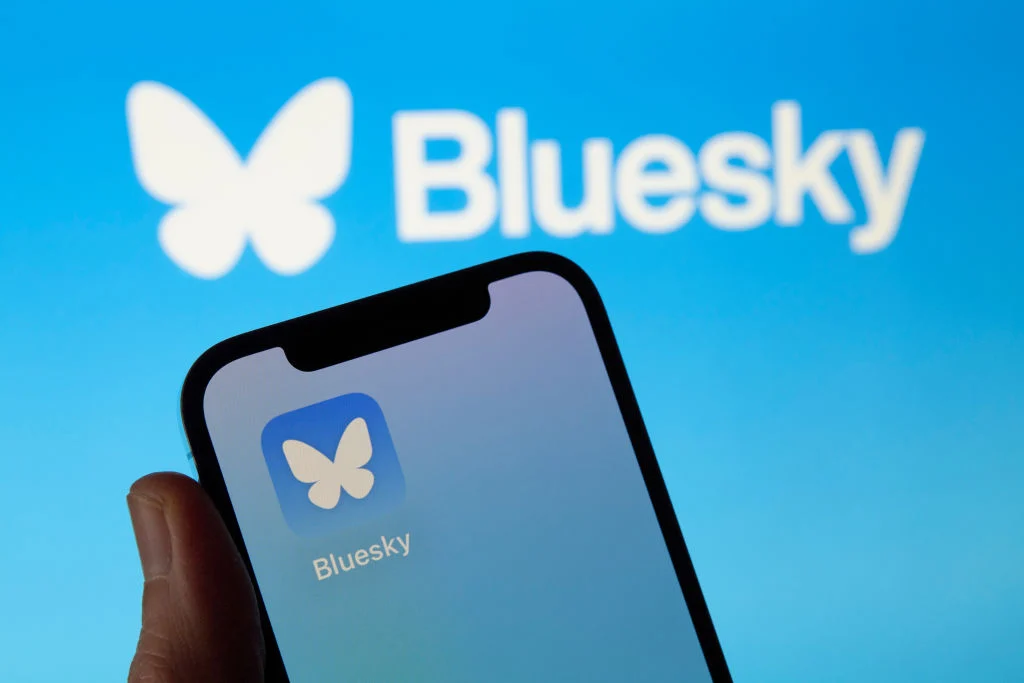
In a move that signals a profound shift in how social media platforms interact with the foundational architecture of the internet, Bluesky CEO Toni Schneider revealed on Monday that the decentralized social network has officially filed an application to secure ".bsky" as a top-level domain (TLD). This initiative, if successful, would allow the platform to transition from traditional social handles to clean, domain-based identities, potentially reshaping the concept of online ownership.
The Core Proposal: Reimagining Digital Identity
Currently, Bluesky users identify themselves through handles such as @sarahp.bsky.social. This structure, while functional, relies on the platform’s sub-domain hierarchy. By securing the ".bsky" TLD—placing it in the same prestigious category as ".com," ".org," or ".net"—the company aims to simplify these handles to a more concise format, such as sarahp.bsky.
The implications of this move extend far beyond mere aesthetics. Bluesky envisions a future where user profiles evolve from static, platform-bound pages into comprehensive, portable "personal home pages." By tethering a user’s social identity to a domain rather than a platform-controlled username, Bluesky is doubling down on its commitment to the "open web." This architectural pivot suggests that the platform wants to serve not just as a social network, but as a gateway to a user’s permanent, portable digital footprint.
A Long Road Ahead: The ICANN Timeline
The road to obtaining a custom TLD is neither short nor simple. The process is governed by the Internet Corporation for Assigned Names and Numbers (ICANN), the non-profit organization that manages the global domain name system (DNS).
- October 7, 2026: ICANN is scheduled to publish the list of all new TLD applications submitted during the current round. Bluesky’s request will be officially unveiled to the public on this date.
- 18 to 24-Month Window: Following the publication, the evaluation and approval process is rigorous. Experts anticipate a timeline of 18 to 24 months before the ".bsky" suffix could potentially be delegated and activated.
This extended timeline underscores the gravity of the request. ICANN’s vetting process is designed to ensure technical stability, security, and the financial viability of the entity requesting the domain. While Bluesky has secured significant venture capital—most notably a $100 million Series B round announced in March 2026—the company will still need to demonstrate that it can manage the infrastructure required to host a top-level domain.
The Philosophical Stand: Why No Monetization?
Perhaps the most surprising aspect of Bluesky’s announcement is the company’s explicit declaration that it has no plans to sell or monetize the ".bsky" domains. In an industry where domain registration (through services like GoDaddy or Namecheap) is a multi-billion dollar, high-margin business, Bluesky’s decision to eschew this revenue stream is a bold ideological statement.
For a startup that has yet to implement a traditional advertising model, the temptation to monetize a massive user base via domain fees would be significant. However, Bluesky leadership argues that such a move would be fundamentally incompatible with their mission.
"Domains are a big part of the open web, as they allow users to control their own online identity," said Rose Wang, Bluesky’s COO, in a statement provided to the press. "Bluesky was built on the belief that you should own your presence online, not rent it from a platform that can take it away."
This stance is consistent with the company’s broader development of the AT Protocol, an open-source framework designed to allow users to move their social data between different services. By controlling the domain, users theoretically gain a layer of sovereignty that is independent of the platform’s survival or its moderation policies.
Implications for the Open Web
The "anti-X" sentiment that has fueled Bluesky’s rapid growth is deeply rooted in the idea of platform portability. The current model of social media—where a user’s social graph, content, and identity are trapped within the "walled gardens" of companies like Meta, X (formerly Twitter), or TikTok—is increasingly viewed as a barrier to digital freedom.
1. Portability and Ownership
By enabling ".bsky" domains, the platform is effectively providing users with a "digital passport." If a user decides they no longer like the direction of the Bluesky app, they might, in theory, be able to point their domain to a different provider or an independent server while maintaining the same identity. This creates a competitive market for social networking, as platforms would have to work harder to retain users who are no longer "locked in" by their handle.
2. A New Era for Personal Home Pages
The transition from a profile page to a domain-based home page also changes the role of the platform itself. Instead of being a host that dictates the user experience, Bluesky could become a curator. If the ".bsky" domain serves as the anchor, users could theoretically integrate their posts, images, and other digital assets from various sources into a single, cohesive hub that they control.
3. The Challenges of Decentralization
While the vision is compelling, the technical challenges are substantial. Managing a TLD requires strict adherence to DNS standards and robust security protocols to prevent domain hijacking, phishing, and spam. Furthermore, because Bluesky is an open-source project, the platform must ensure that the governance of the ".bsky" TLD remains transparent and does not become a point of centralization that could be exploited by bad actors or pressure from regulators.
The Competitive Landscape
Bluesky’s move comes at a time when the broader social media landscape is undergoing a reckoning. As users grow frustrated with algorithmic volatility and the loss of organic reach on legacy platforms, the appetite for decentralized alternatives has reached a fever pitch.
However, competing in the infrastructure layer of the internet is a different challenge than building a social app. Other decentralized efforts, such as Farcaster and Lens Protocol, have explored similar ideas, but none have gone as far as seeking their own TLD. By pursuing a TLD, Bluesky is moving from being a participant in the social web to being a steward of the internet’s infrastructure.
Supporting Data and Financial Context
The $100 million Series B funding round provides the "runway" necessary for this long-term play. While investors typically look for rapid monetization, the backing of this initiative suggests that Bluesky’s supporters are playing a long game—valuing the creation of a massive, loyal, and portable user base over short-term subscription or ad revenue.
The company has not yet finalized the technical mechanics of how these domains will be distributed. Will they be assigned based on seniority? Will they be free for active users, or will there be a verification process to prevent squatting? These questions remain open, and the company has promised to share more details as the ICANN application progresses.
Conclusion: A Shift in Power Dynamics
Toni Schneider’s announcement is a clear signal that Bluesky intends to be more than just a social media trend. By embedding itself into the Domain Name System, the company is attempting to formalize the concept of "Digital Sovereignty."
If successful, the ".bsky" initiative will mark a historic departure from the model of "platform-as-landlord." In the traditional model, the social media company owns the land, and the user is merely a tenant who can be evicted at any time. By handing the keys of the digital house—the domain—to the user, Bluesky is attempting to change the power dynamic of the internet.
Whether ICANN approves the application remains to be seen, but the intent is clear: the future of the social web may not be written in the code of proprietary apps, but in the open, decentralized infrastructure of the web itself. For now, the tech world will be watching the October 2026 publication date, waiting to see if this ambitious vision of an open web can truly take root in the soil of the established internet.