In a seismic shift for the world of global sports marketing, McDonald’s—a staple of FIFA World Cup sponsorships for over three decades—has officially announced it is ending its long-standing partnership with soccer’s global governing body. The decision marks the conclusion of one of the most iconic corporate tie-ins in sporting history, signaling a broader, aggressive overhaul of how the fast-food giant manages its multi-billion-dollar marketing budget.
This departure comes despite the company launching its most ambitious World Cup campaign to date just months ago. As McDonald’s pivots toward building an internal, data-driven advertising business, the exit from FIFA reflects a fundamental change in how the brand intends to engage consumers in a fragmented digital landscape.
The Chronology of a Corporate Divorce
The history of McDonald’s and the FIFA World Cup dates back to 1994, a period when the brand solidified its position as a ubiquitous presence in global culture. For 32 years, the Golden Arches were as much a part of the World Cup experience as the matches themselves, with the company serving as a primary sponsor and a fixture in global fan zones.
A Timeline of the Relationship:
- 1994–2022: A golden era of partnership where McDonald’s became synonymous with the tournament, leveraging stadium branding, consumer promotions, and mass-market activations to drive global sales.
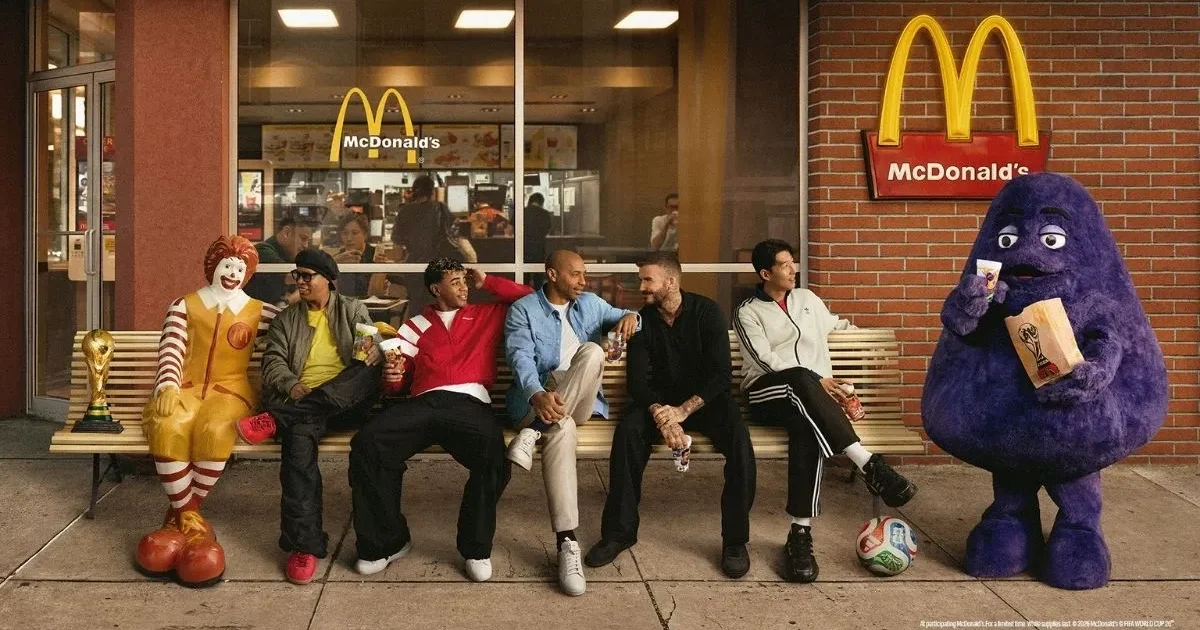
- Summer 2026: McDonald’s executes its largest marketing push in company history, a global campaign spanning over 110 countries, developed in collaboration with creative powerhouse Wieden+Kennedy New York.
- August 2026: During the Q2 2026 earnings call, McDonald’s leadership drops a bombshell. Despite the massive scale of the summer campaign, CFO Ian Borden reveals the results failed to meet internal benchmarks.
- Late 2026: Internal restructuring begins. The brand shifts its focus from traditional, high-cost sports sponsorships to the development of an internal, $1 billion advertising business.
Supporting Data: Why the Numbers Didn’t Add Up
The decision to walk away from FIFA was not made in a vacuum. It was the result of a rigorous cost-benefit analysis conducted by McDonald’s finance and marketing teams following the 2026 tournament.
While the 2026 campaign was designed to be the brand’s most visible, it coincided with a period of economic volatility. According to internal reports, the campaign generated "excellent system excitement" and high brand sentiment, but it failed to translate into the necessary traffic and transactional growth required to justify the astronomical sponsorship fees associated with FIFA.
The U.S. Sales Slump
The company’s growth in the United States, its largest and most critical market, slowed significantly during the period of the campaign. Reuters reported earlier this year that McDonald’s U.S. sales figures were disappointing, as value-focused meal deals failed to draw enough diners to offset the costs of the global activations.
When a campaign is described as "the largest marketing push of the year" but fails to move the needle on domestic revenue, the scrutiny on the return on investment (ROI) becomes intense. McDonald’s found itself in a position where the prestige of the FIFA association was no longer paying for itself.
Official Responses and Strategic Shifts
The official sentiment from McDonald’s management is one of strategic pivot rather than failure. The company is currently undergoing a "marketing model overhaul," which emphasizes long-term value over short-term spectacle.
In his commentary during the Q2 earnings call, CFO Ian Borden was candid about the disconnect between the campaign’s execution and its financial performance. "While the World Cup campaign provided a lift to the business and generated excellent system excitement, it underperformed versus our expectations," Borden noted.

This rhetoric suggests a new era of corporate austerity in advertising. The brand is moving away from the "spray and pray" methodology of massive global sports sponsorships, opting instead for targeted, tech-enabled marketing. McDonald’s has publicly signaled its intent to build a $1 billion ad business—a move that effectively turns the brand into a media entity in its own right. By leveraging its own app, first-party data, and digital menu boards, the company believes it can achieve better engagement metrics at a fraction of the cost of a FIFA partnership.
Implications: The Future of Sports Sponsorships
The departure of McDonald’s from the FIFA portfolio carries profound implications for the sports marketing industry.
1. The Decline of "Mass-Market" Exclusivity
For decades, global brands paid record-breaking fees for "exclusive" status at mega-events. McDonald’s exit suggests that the digital age has made this model obsolete. If a brand can reach its core demographic more effectively through its own digital ecosystem, the value proposition of a FIFA sponsorship—which is often diluted by dozens of other competing sponsors—diminishes significantly.
2. The Rise of the Brand-as-Publisher
McDonald’s is not just cutting costs; it is reinvesting those savings into proprietary advertising technology. By building its own ad business, the company gains autonomy. It no longer needs to rely on the visibility of a soccer pitch to reach its customers; it can communicate directly with them through the McDonald’s app and digital loyalty platforms.
3. Pressure on FIFA
FIFA now faces a challenging landscape. With one of its most loyal, long-term partners exiting, the governing body must reassess its sponsorship tiers. If other major multinational corporations follow McDonald’s lead, FIFA may be forced to lower entry costs or innovate their sponsorship packages to offer more tangible digital integration rather than just physical stadium signage.
4. A Shift in Creative Agency Expectations
Creative agencies like Wieden+Kennedy, which have built their reputations on crafting epic, tournament-long narratives for brands, may need to adapt. The shift from "big event" marketing to "always-on", data-driven digital advertising requires a different set of creative skills. The future of advertising is likely to be less about the 30-second Super Bowl or World Cup spot and more about hyper-personalized, location-based digital interactions.
Conclusion: A New Marketing Paradigm
The end of the McDonald’s-FIFA partnership is a watershed moment that reflects the maturation of the digital economy. While the 32-year relationship provided immense brand equity, the metrics of the modern consumer—who prioritizes value, convenience, and personalization—demand a different strategy.
McDonald’s is placing a massive bet on its ability to command the attention of its customers through its own channels. Whether this $1 billion ad business strategy succeeds remains to be seen, but the message to the marketing world is clear: the days of massive, blanket-coverage sports sponsorships as the default path to growth are fading.
As the industry watches to see which brands will fill the void left by the Golden Arches at the next FIFA event, one thing is certain: the goalposts of global marketing have shifted, and McDonald’s has already started running in a different direction.