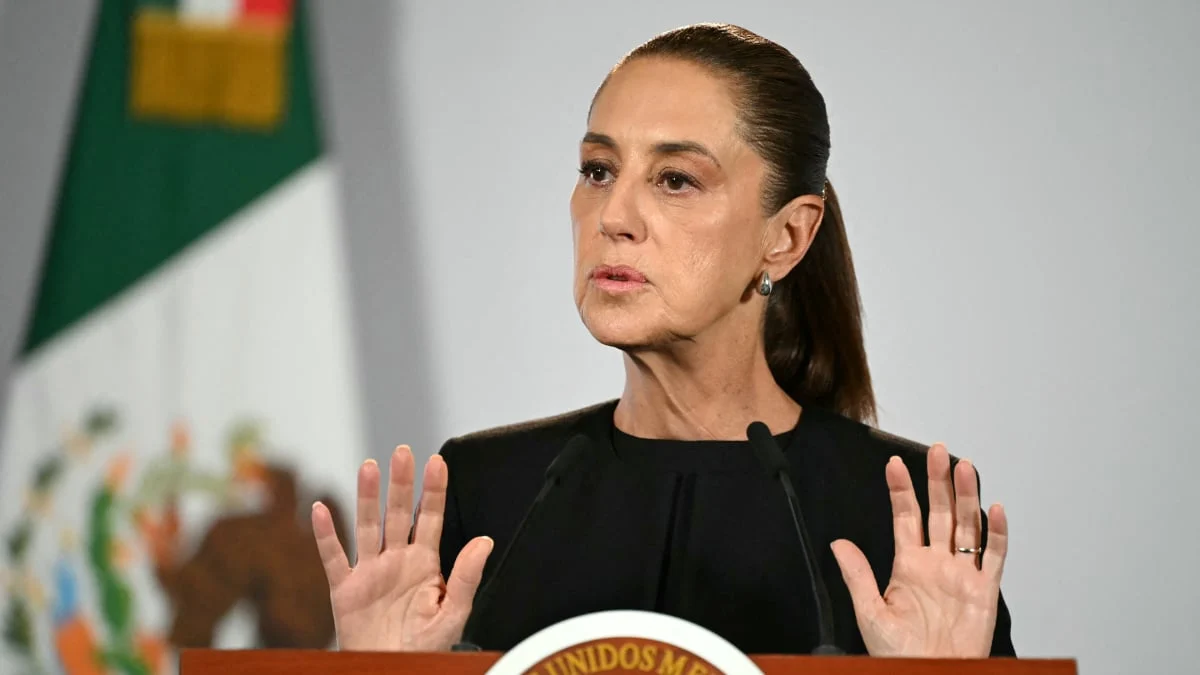
In a landmark shift for digital policy in Latin America, Mexican President Claudia Sheinbaum has issued a presidential decree aimed at fundamentally altering the digital ecosystem for the nation’s youth. The move, announced on October 14, 2026, mandates that social media and streaming platforms operating within Mexico must implement strict safeguards to prevent the display and algorithmic promotion of violent, extremist, and sexually exploitative content to minors.
The decree follows a harrowing tragedy earlier this month in Torreón, Coahuila, where two former students murdered a vice principal and launched an assault on their peers within a secondary school. Investigations into the suspects’ digital footprint revealed that they had been deeply influenced by extremist and violent content consumed online, reigniting a national debate over the unchecked influence of algorithmic content delivery systems on adolescent development.
The Chronology of Crisis: From Classroom Violence to Federal Mandate
The path to this executive action was paved by a series of alarming incidents that underscored the vulnerability of Mexico’s youth to digital radicalization.
- Early October 2026: A horrific shooting at a secondary school in Torreón, Coahuila, left the nation in shock. Law enforcement agencies quickly identified that the perpetrators—two former students—had been radicalized by online material.
- Late September 2026: Recognizing the growing distraction and behavioral issues tied to digital devices, President Sheinbaum announced a nationwide ban on cellphones and restricted tablet use in all public schools, aiming to restore focus to the classroom.
- October 14, 2026: Following emergency consultations with tech giants, President Sheinbaum signed the executive decree requiring platforms to restrict violent content, implement age verification, and bolster parental controls.
- The Compliance Window: Digital platforms have been granted a strictly enforced 30-day window to align their algorithms and safety features with the new mandate. The administration has warned that failure to comply will result in the immediate fast-tracking of secondary legislation designed to levy severe penalties and sanctions against non-compliant corporations.
Defining the Scope: What the Decree Covers
The presidential order is expansive, targeting not just explicit violence but the broad spectrum of content that has been linked to the decline in youth mental health. According to reports from Mexico News Daily, the decree explicitly prohibits the recommendation or display of:
- Extremism and Hate Speech: Content that promotes radical ideologies, discrimination, or incitement to violence.
- Self-Harm and Suicide: Material that romanticizes or provides instructions for self-injury.
- Eating Disorders: Content that encourages disordered eating patterns, often proliferated through algorithmic "echo chambers."
- Sexual Exploitation: Enhanced protections against non-consensual content and predatory grooming behaviors.
- Cyber-bullying: Systematic harassment that has become a pervasive feature of modern adolescent social interaction.
By targeting the recommendation engines—the mathematical black boxes that curate content based on user engagement—the decree represents a significant technological challenge for companies like Meta, TikTok, and Google.
Supporting Data: The Global Context of Digital Safety
Mexico’s move aligns with a growing international consensus that the "self-regulation" era of big tech is coming to a close. The country’s approach mirrors legislative trends seen across the globe, where policymakers are moving away from passive guidelines toward hard-coded legal requirements.
The Australian Precedent
Earlier this year, Australia made international headlines by becoming the first nation to enact a comprehensive ban on social media for children under the age of 16. The Australian model is perhaps the most aggressive approach to date, moving beyond content filtering to outright exclusion. Mexico’s approach is arguably more nuanced, focusing on "content hygiene" and platform responsibility rather than total prohibition.
The American Experience
While the United States has seen significant movement at the state and district level—such as New York’s and Los Angeles’s bans on cellphones in schools—federal action remains gridlocked. Unlike Mexico, which has utilized executive power to enact a swift, nationwide standard, the U.S. approach remains fragmented, creating a patchwork of regulations that often leaves rural or underfunded districts without the necessary resources to combat digital harm.
Official Responses and the Tech Sector’s Silence
The lead-up to the decree involved high-level meetings between the Mexican administration and representatives from the world’s most powerful tech companies. Despite these discussions, the industry response has been notably muted. As of mid-October, major players including Meta (the parent company of Facebook and Instagram), TikTok, and Google (YouTube) have not issued public statements regarding their plan for compliance.
This silence is widely interpreted as a sign of legal maneuvering. Industry insiders suggest that these companies are currently conducting internal audits to determine if the Mexican decree clashes with their existing global safety protocols. However, the clock is ticking; with only one month to comply, the lack of public comment suggests a difficult transition period ahead for their moderation teams and engineering departments.
The Implications: Challenges and Controversies
While child safety advocates have hailed the decree as a necessary "stop-gap" to prevent further loss of life, the policy is not without its detractors.
The Efficacy of Age Verification
A primary point of contention is the feasibility of age verification. Critics argue that robust age verification systems—often requiring government ID or biometric scanning—pose significant risks to user privacy. Furthermore, many teenagers have already mastered the use of VPNs and other circumvention tools, leading some researchers to question whether these technical barriers will actually succeed in protecting minors or simply create a "digital cat-and-mouse game."
The Burden of Parental Control
The decree mandates that platforms provide improved parental controls. While this shifts the onus onto parents, experts warn that many caregivers lack the digital literacy to navigate these complex settings. There is a concern that without a broader public education campaign, these tools will go unused, leaving the burden of safety on the shoulders of parents who are already overwhelmed.
The Threat of Over-Censorship
Civil liberties groups have raised concerns regarding the ambiguity of terms like "extremism" and "hate speech." There is a fear that, under pressure to avoid the heavy fines threatened by the Sheinbaum administration, tech platforms might engage in "over-censorship," suppressing legitimate political speech or educational content under the guise of safety.
Moving Forward: A Future for Digital Citizenship
President Sheinbaum’s directive is more than just a regulatory measure; it is a declaration of sovereignty over the digital environment. By treating the internet as a public space that requires governance, Mexico is challenging the notion that digital platforms are immune to national law.
The success of this decree will likely hinge on the government’s willingness to enforce its own deadlines. If the administration follows through with the promised second law—which would outline specific punishments for non-compliance—it will set a global precedent. It would demonstrate that even the largest multinational corporations can be held accountable when their algorithms cross the line from innovation into dangerous social engineering.
As the 30-day compliance window begins, the eyes of the world are on Mexico. Whether this move effectively reduces the influence of violent content on youth or triggers a cascade of unintended legal and technical consequences remains to be seen. What is clear, however, is that the era of unfettered, unmoderated algorithmic growth is facing a severe, government-mandated reckoning. The outcome of this policy will likely dictate how other nations approach the digital safety of their citizens for years to come.