In a move that could reshape the economic landscape of social media, Bluesky—the decentralized alternative to X (formerly Twitter)—has announced plans to introduce native payment features in the coming months. This strategic pivot marks the platform’s first significant step toward financial sustainability, moving away from the traditional, often intrusive, advertising-reliant models that have defined the social web for two decades.
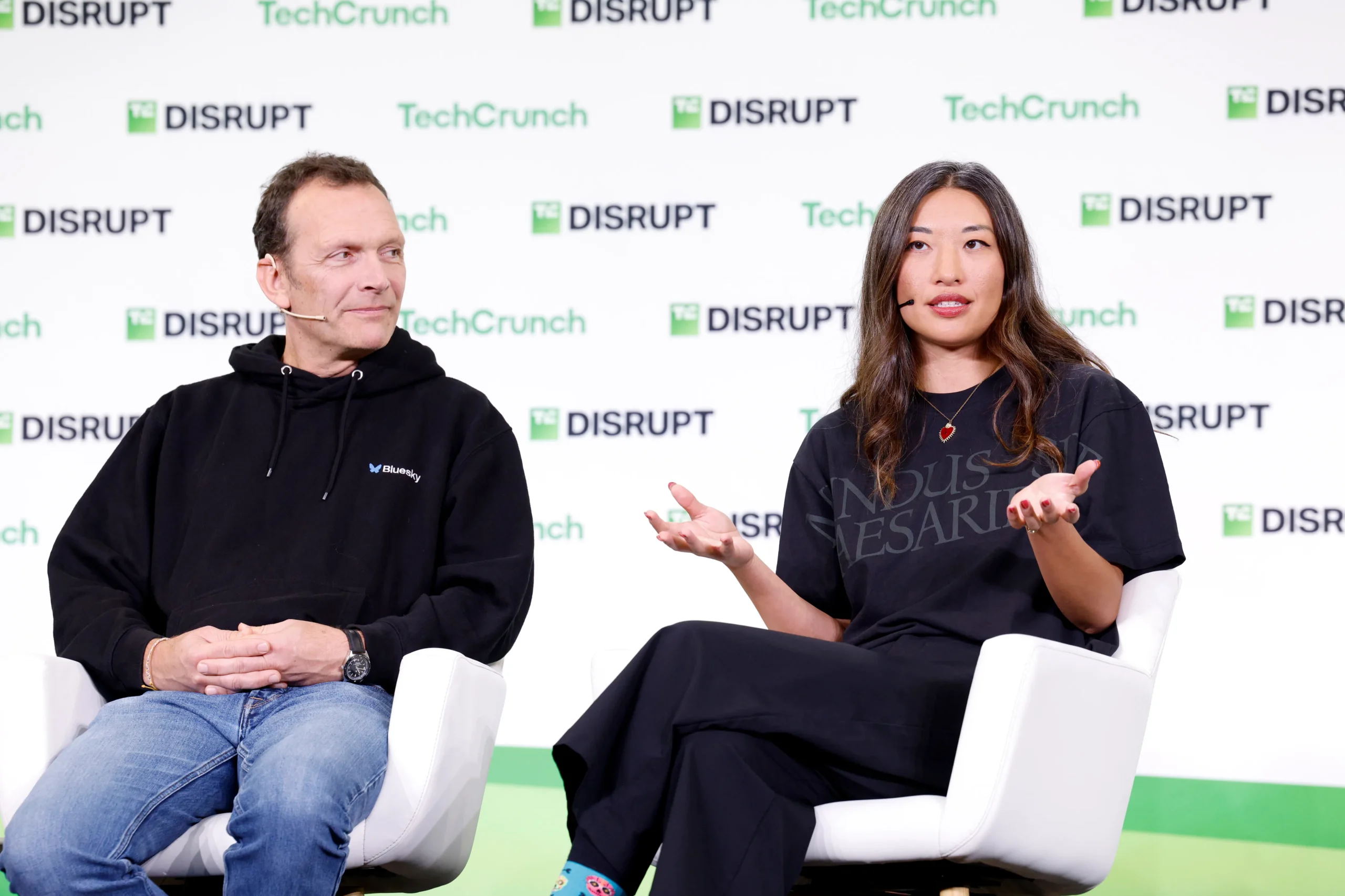
The announcement, delivered by CEO Toni Schneider and COO Rose Wang at the TechCrunch Disrupt conference, signals a departure from the "ad-tech" status quo. By prioritizing direct peer-to-peer commerce and creator support, Bluesky is positioning itself as a "Public Benefit Corporation" (PBC) that favors open infrastructure over walled-garden revenue extraction.
Main Facts: The Shift Toward Direct Monetization
At its core, the upcoming payment infrastructure is designed to formalize and streamline the organic economic activity already occurring on the platform. Users are currently leveraging Bluesky to fundraise, sell products, and support community projects. Bluesky’s leadership aims to build tools that facilitate these transactions directly, allowing money to flow between participants without the platform acting as a parasitic intermediary.
"People are actually selling things, fundraising very successfully, and supporting each other on the network," CEO Toni Schneider explained during the session. "We want to make that easier… if you see something on the network that you like and support, you can support that monetarily."
Crucially, the team emphasizes that this feature is being built to be interoperable. Because Bluesky is built on the AT Protocol, the goal is for these payment mechanisms to work not just on the main Bluesky app, but across the entire ecosystem of decentralized applications (dApps) that interact with the network.
Chronology: A New Era for Bluesky
The path to this announcement has been marked by significant internal and external shifts. To understand how the company arrived at this juncture, one must look at the recent timeline:
- Pre-2024: Bluesky operates as a research project/beta, focusing on the development of the AT Protocol and establishing a decentralized social graph.
- March 2026: A pivotal leadership transition occurs. Longtime CEO Jay Graber steps down, and Toni Schneider—the former CEO of Automattic (the parent company of WordPress.com)—takes the helm. The move triggers a wave of skepticism from the user base, with some fearing the platform would abandon its decentralized principles in favor of corporate profitability.
- July 2026: Schneider formally assumes his role as permanent CEO, addressing the community’s concerns about the "beginning of the end" for the platform. He frames the leadership change not as a shift in values, but as a commitment to sustainable growth.
- October 2026 (TechCrunch Disrupt): Schneider and COO Rose Wang publicly outline the monetization strategy, confirming that payments will be integrated into the platform within months.
Supporting Data: Why the Traditional Model is Failing
The decision to avoid advertising is not merely ideological; it is a calculated response to the inefficiencies and moral hazards inherent in ad-driven social media. COO Rose Wang noted that the common perception—that advertising is the only way to sustain a social network—is a "trap" that ultimately ruins the user experience.
"I think there’s a story around monetization that feels like advertising is the inevitable thing we have to do that will ruin the network," Wang stated.
She pointed to the success of Automattic, where Schneider helped build a $10 billion business model where the vast majority of revenue remains within the ecosystem rather than being hoarded by a single central entity. This "ecosystem-first" philosophy is the blueprint for Bluesky’s financial future.
Furthermore, as a Public Benefit Corporation, Bluesky is legally obligated to balance profit-making with its public mission. This provides a level of institutional protection against the pressures of shareholder primacy that often force other social platforms to prioritize short-term ad revenue over the health of their communities.
Official Responses: Navigating User Skepticism
The leadership team is acutely aware of the "exit threat." In a decentralized network, the cost of switching is low; if users dislike the direction of the platform, they can take their data and their social graph to a different app on the same protocol.

Schneider views this as a feature, not a bug. "I understand that users can leave Bluesky for another platform if the company introduces features or changes they dislike," he admitted. He argues that this reality forces the leadership team to remain accountable. If the monetization features are perceived as greedy or intrusive, the platform risks a mass exodus—a feedback loop that keeps the executive team grounded.
"We cannot lock people in," Wang added. "The thing that really matters for us is that the people who are creating value on the networks are the ones who are getting the value that is coming in."
Implications: Disrupting the Infrastructure Layer
The implications of this shift go far beyond adding a "tip jar" to user profiles. By building this into the infrastructure layer of the AT Protocol, Bluesky is effectively attempting to solve the "feudalism" of the modern internet.
1. Dismantling the "Landlord" Model
Wang described the current state of the internet as a "feudal society" where creators are forced to work for a few tech giants—the "landlords"—who dictate the rules of the road and extract exorbitant "tariffs" (platform fees) from every transaction. By decentralizing the payment layer, Bluesky hopes to allow value to move more freely, effectively lowering the barrier to entry for independent creators.
2. The Future of Revenue Streams
While the initial focus is on peer-to-peer payments and creator support, the infrastructure could eventually support more complex commerce, such as decentralized subscriptions, digital storefronts, and cross-platform tokenized assets. If successful, this could create a vibrant economy that exists independent of the primary Bluesky app, turning the network into a marketplace rather than just a forum.
3. The Test of Sustainability
The next twelve months will be the ultimate litmus test for the company. Can they generate sufficient revenue to support the infrastructure costs of a global, decentralized network without resorting to the very ad-targeting tactics they criticize? If they succeed, they will have proven that a "user-owned" internet is not just a utopian dream, but a viable, profitable business model.
4. Competitive Pressure on Big Tech
If Bluesky proves that a non-advertising model can thrive, it places immense pressure on incumbent platforms like X, Meta, and TikTok. Users who are already fatigued by algorithmic feed manipulation and invasive ad tracking may find a compelling reason to migrate to a platform that offers both economic autonomy and a superior, more transparent user experience.
Conclusion: A High-Stakes Bet
Bluesky’s journey into monetization is a watershed moment for the decentralized web. By integrating payments directly into the protocol, the company is attempting to rewrite the social contract between platforms and their users.
The strategy is high-risk and high-reward. If the implementation is seamless and respects the decentralized ethos of the community, Bluesky could become the first social network to successfully decouple itself from the ad-dependency that has stifled innovation in the space for years. If it falters, it risks alienating its core user base and proving that the "landlord" model of social media is, for now, the only one that truly scales.
For now, the eyes of the tech world remain fixed on the platform. As Schneider and Wang prepare to roll out these new tools, they are essentially asking a simple but radical question: Can a social network function like a public utility, where the value created by the many is kept by the many, rather than captured by the few? The answer, as it turns out, will be determined not just by code, but by the trust of the millions who have chosen to call this decentralized frontier their home.