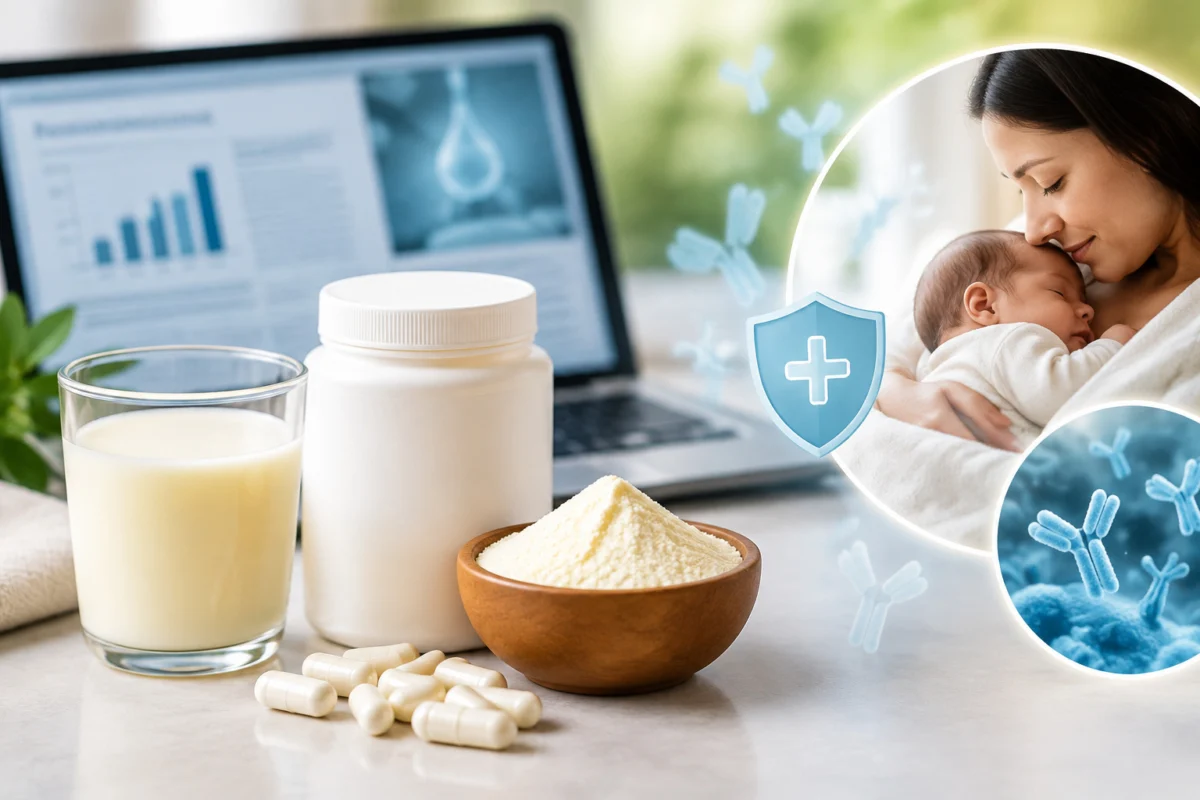
For centuries, colostrum has been revered across cultures as "liquid gold"—the life-sustaining first nourishment provided by mammals to their offspring. In recent years, this biological powerhouse has transitioned from a traditional home remedy to a trendy dietary supplement, appearing in the form of powders, capsules, and health drinks. But beneath the marketing claims, what does the clinical evidence actually say? As health-conscious consumers look for ways to bolster their immunity and gut health, it is time to separate the biological reality from the supplement hype.
Main Facts: What Is Colostrum?
Colostrum is the pre-milk fluid produced by the mammary glands of mammals, including humans, cows, goats, and buffaloes, immediately following childbirth. Unlike mature milk, which is designed primarily for growth and energy, colostrum is a dense, yellowish, and nutrient-rich fluid engineered specifically for protection.
Biologically, it is a complex cocktail of bioactive components, which researchers categorize into three primary groups:
- Immunological Factors: High concentrations of antibodies (immunoglobulins) that provide passive immunity to the newborn, shielding them from environmental pathogens.
- Growth Factors: Proteins that stimulate tissue growth, cell repair, and the maturation of the gastrointestinal tract.
- Nutrients: A concentrated blend of vitamins, minerals, and proteins that serve as a crucial fuel source.
A notable point of distinction is that cow colostrum is particularly high in protein—containing roughly five times the concentration found in standard dairy milk. Furthermore, while human colostrum is dominated by IgA antibodies, bovine (cow) colostrum is rich in IgG, which makes up approximately 80–85% of its antibody profile.
Chronology: From Ancient Traditions to Modern Laboratories
The use of colostrum is far from a modern invention. In India, for instance, the practice of consuming bovine and buffalo colostrum has been a staple of traditional culinary and medicinal practices for generations. Families have long prepared it into set puddings known as kharvas, junnu, or posu. These traditional preparations were often utilized as home remedies to strengthen the constitution and improve digestion.
However, the shift toward standardized supplementation began as researchers identified the potential for bovine colostrum to serve as a functional food for adults. In the last two decades, the scientific community has moved from observation to controlled experimentation. While early research focused on its efficacy in neonates, current scientific trends have pivoted toward studying whether these benefits can be extrapolated to adult populations dealing with chronic inflammation, gut dysbiosis, and compromised immune responses.

Supporting Data: Examining the Clinical Evidence
Despite the enthusiasm surrounding colostrum as a "superfood," the scientific consensus remains cautious. Much of the available data comes from small-scale trials that, while promising, are not yet robust enough to establish clinical guidelines.
Gut Health and Digestive Function
The most significant body of research concerns the gut. Because colostrum contains growth factors like EGF (Epidermal Growth Factor) and IGF-1 (Insulin-like Growth Factor), scientists have hypothesized that it could help "seal" the gut lining, potentially assisting those with leaky gut syndrome or exercise-induced intestinal permeability. Studies have suggested that colostrum might reduce the severity of infectious diarrhea, particularly in immunocompromised individuals. However, the results are inconsistent, and researchers note that the efficacy often depends on the quality of the supplement and the severity of the underlying condition.
Immune System Modulation
Colostrum is often marketed as a "natural booster" for the immune system. Research has indicated that the antibodies found in bovine colostrum may help reduce the incidence and duration of upper respiratory tract infections (URTIs) in athletes and high-risk groups. The logic is that the immunoglobulins in the supplement may provide a localized defense in the throat and gastrointestinal tract. However, these findings are preliminary. Experts warn that there is a significant difference between "supporting" immune function and "preventing" infection; currently, no clinical data suggests that colostrum acts as a prophylactic against viral or bacterial diseases.
Athletic Performance and Recovery
In the sports science sector, colostrum has been investigated for its potential to accelerate muscle recovery and improve bone strength. The theory is that the growth factors promote protein synthesis and tissue repair after strenuous exercise. While some small studies suggest minor improvements in recovery time, the evidence is not yet conclusive enough to classify colostrum as a premier performance-enhancing supplement.
Official Perspectives and Safety Implications
From a medical perspective, the primary concern with colostrum supplements is the lack of standardized regulation. Because the quality of the end product is highly dependent on how the raw colostrum is processed—specifically, the degree of heat treatment applied—the concentration of "active" components can vary wildly between brands. Excessive heat can denature the sensitive proteins and antibodies that provide the purported benefits, rendering the supplement ineffective.
Safety Concerns and Contraindications
The safety profile for most adults is generally considered good; however, side effects such as mild bloating, nausea, and flatulence have been reported. More importantly, there are clear groups who should avoid these supplements:

- Individuals with Dairy Allergies: Because colostrum is a dairy derivative, it poses a severe risk to those with cow’s milk protein allergies. Anaphylaxis, while rare, is a documented risk.
- Those with Immune System Disorders: Individuals with autoimmune conditions should consult their rheumatologist or primary care physician before introducing high levels of immunoglobulins into their diet.
A critical safety warning: if a user experiences signs of an allergic reaction—such as facial swelling, hives, or difficulty breathing—they must seek emergency medical intervention immediately.
Implications: The Verdict for the Consumer
So, is colostrum a necessary addition to your wellness regimen? The evidence suggests that for most healthy adults, it is not a "must-have." While it offers a unique profile of growth factors and antibodies, it is not yet established as a therapeutic tool for chronic disease.
If you are considering colostrum, approach it with the same scrutiny you would any other bioactive supplement:
- Consult a Professional: Never replace prescribed medication with supplements. Speak to a doctor, particularly if you are managing a chronic condition.
- Quality Control: Research the manufacturer. Look for brands that provide information on their processing methods (e.g., cold-processed vs. high-heat pasteurized) to ensure the bioactivity of the nutrients is preserved.
- Manage Expectations: View colostrum as a supplemental support rather than a cure-all. Its role in gut health and immunity is still being defined by larger, ongoing clinical trials.
Final Thoughts
Colostrum is a testament to the sophistication of biological systems, designed by nature to give a newborn the best possible start in life. While it is fascinating that we can harvest these benefits for adult health, the science is still catching up to the folklore. Until larger, longitudinal studies confirm its efficacy, it is best viewed as a supplement to a balanced diet—not a replacement for the fundamental pillars of health: proper nutrition, consistent exercise, and evidence-based medical care.
References:
- Mehra R, et al. (2022). Insights into the research trends on bovine colostrum: beneficial health perspectives with special reference to manufacturing of functional foods and feed supplements. Nutrients.
- Memorial Sloan Kettering Cancer Center. (2021). Bovine colostrum clinical data.
- McGrath BA, et al. (2016). Composition and properties of bovine colostrum: a review. Dairy Sci Technol.
- Playford RJ, Weiser MJ. (2021). Bovine colostrum: its constituents and uses. Nutrients.
- Ravindran R, et al. (2026). Collagen Supplementation for Skin and Musculoskeletal Health: An Umbrella Review of Meta-Analyses.
Disclaimer: This article is intended for informational purposes only and does not constitute medical advice, diagnosis, or treatment. Always seek the advice of your physician or other qualified health provider with any questions regarding a medical condition or dietary changes.