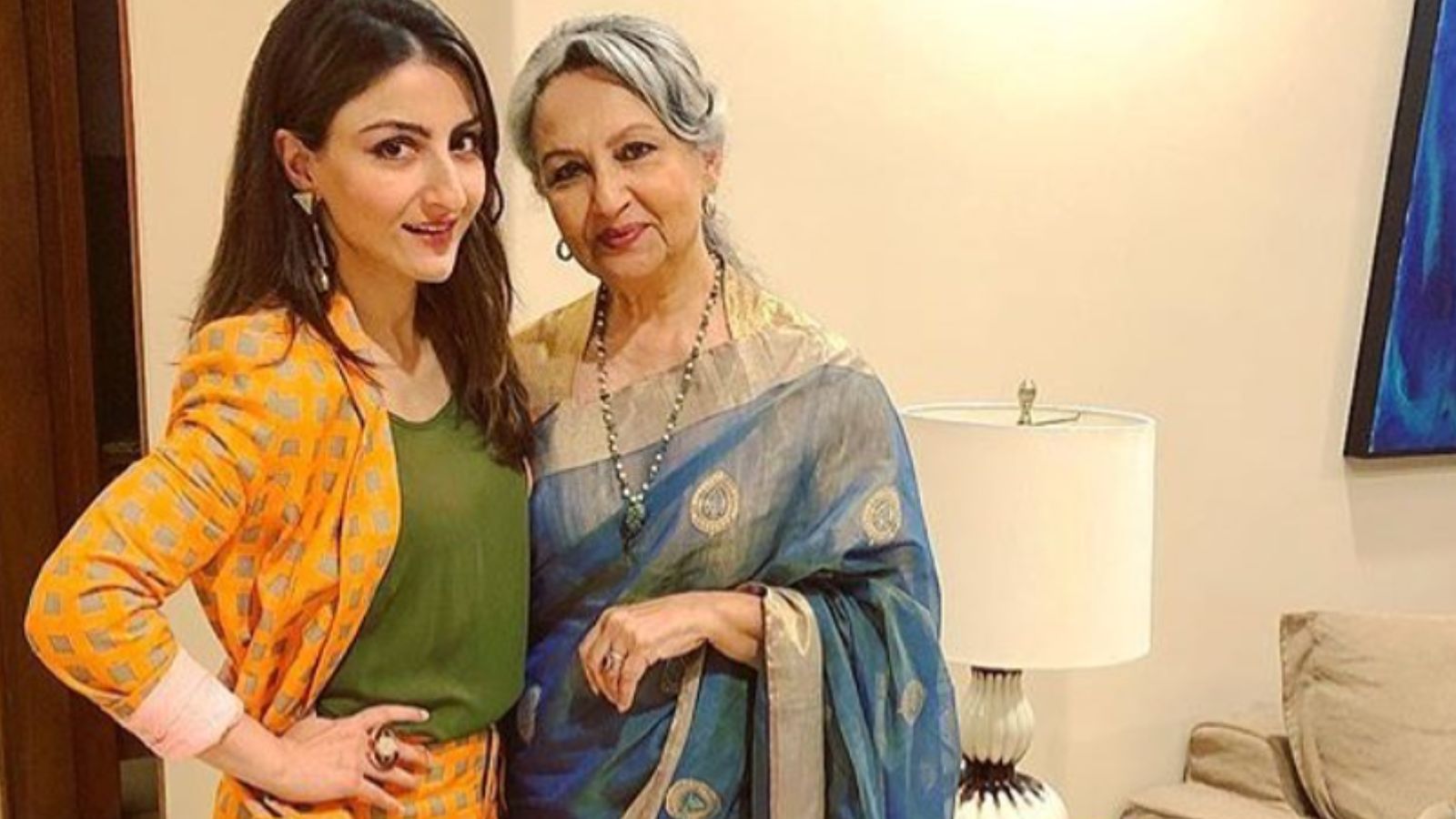
In the high-stakes world of medical diagnostics, the term "stage zero" often exists in a nebulous space—a point where intervention is theoretically possible but sometimes clinically debated. Recently, veteran Bollywood icon Sharmila Tagore brought this complex medical reality into the public consciousness. In a candid revelation on her daughter Soha Ali Khan’s podcast, All About Her, the legendary actress shared a pivotal chapter from her life: her 2023 battle with lung cancer and the life-altering decision to pursue surgery despite the early stage of the disease.
Main Facts: The Choice That Saved A Life
The narrative surrounding Sharmila Tagore’s diagnosis is one of intuition meeting medical necessity. While she had previously alluded to her health struggles when explaining her absence from Karan Johar’s Rocky Aur Rani Kii Prem Kahaani, the specific details revealed by her daughter provide a compelling look at the necessity of patient advocacy.
"It is very hard to diagnose early," Soha Ali Khan explained during the podcast. "In her case, it was stage zero, and because she insisted on being cut open, a lot of people said it was unnecessary. She insisted, and it was only at that stage on the table that they said it was malignant and managed to cut it all out."
This sequence of events highlights a "best-case scenario" for oncological outcomes. By choosing to move forward with a surgical intervention that others deemed premature, Tagore was able to eliminate the malignant tissue before it had the chance to progress or invade deeper pulmonary structures. Her story serves as a testament to the importance of listening to one’s body and the critical role of proactive screening in modern medicine.
Chronology: From Diagnostic Uncertainty to Recovery
The timeline of Sharmila Tagore’s health journey illustrates the rapid transition from routine screening to surgical resolution.
- Pre-2023: As is common with high-profile individuals, Tagore maintained a rigorous health-monitoring schedule. It was during these assessments that the early indicators of a potential issue in the lungs were detected.
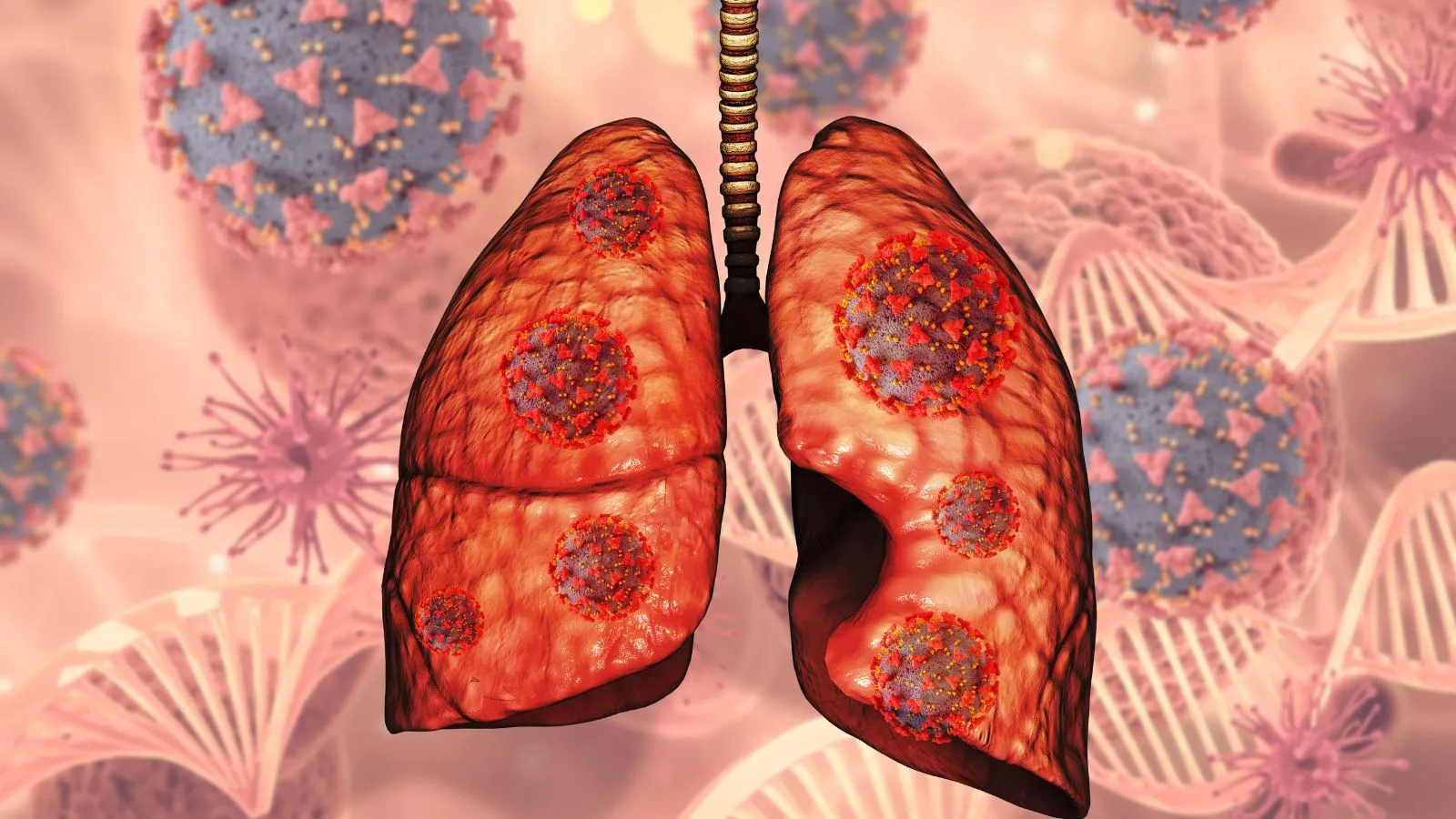
- The Diagnostic Phase: The medical team identified the condition as "stage zero," or carcinoma in situ. At this stage, the malignant cells were restricted to the lining of the bronchi, having not yet breached the deeper lung tissue.
- The Decision Point: A divergence in opinion occurred. While some observers suggested that the risks of invasive surgery outweighed the benefits for a stage zero finding, Tagore advocated for a more aggressive, definitive approach.
- The Surgical Intervention: Acting on her insistence, the surgical team performed the procedure. The operating theater proved the wisdom of her caution: once the site was exposed, it was confirmed to be malignant. The successful removal of the lesion halted the cancer at its inception.
- Post-Operative Recovery: Following the successful surgery, the focus shifted to recovery and ongoing monitoring, a phase that continues today to ensure long-term health and the absence of recurrence.
Understanding Stage Zero: The Medical Perspective
To understand why Tagore’s case is both significant and nuanced, one must consult the experts. Dr. Vikas Mittal, Director and Pulmonologist at CK Birla Hospital, Delhi, provides a clinical framework for understanding this diagnosis.
"Stage zero lung cancer, or carcinoma in situ, represents the absolute earliest stage of malignancy," Dr. Mittal explains. "At this stage, the abnormal cells are essentially ‘trapped’ in the airway lining. Because they have not spread, the condition is highly treatable, and surgery is often the gold standard for achieving a complete cure."
However, Dr. Mittal notes that the decision to operate is never a "one-size-fits-all" scenario. "Surgery might not be necessary for every patient," he adds. "The medical team must weigh the diagnosis, the precise location of the tumor, and the patient’s overall physiological health. It is a decision that requires a multidisciplinary team, including a pulmonologist, a thoracic surgeon, a radiologist, and an oncologist."
Supporting Data: Why Multidisciplinary Teams Matter
The medical community emphasizes that the "wait and see" approach is not always the safest path. Dr. Mittal highlights the diagnostic rigor required before reaching the operating table.
"Before moving forward, we must conduct extensive imaging and diagnostic studies," says Dr. Mittal. "We assess lung function and the patient’s fitness for anesthesia. We also look at the potential advantages versus the risks of removing a portion of the lung."
For those where surgery is indicated, modern medicine has developed techniques designed to minimize collateral damage. "We favor techniques that preserve as much healthy lung tissue as possible," Dr. Mittal notes. "Procedures like wedge resection and segmentectomy allow us to remove the malignancy while maintaining the patient’s long-term respiratory function."
Does Stage Zero Require Chemotherapy?
One of the most common anxieties regarding cancer treatment is the necessity of systemic therapy. Regarding stage zero, the news is generally positive.
"In cases of confirmed stage zero non-small cell lung cancer that has been surgically removed with clear margins, chemotherapy is typically not required," Dr. Mittal clarifies. "Because the cancer has not invaded deep tissues or metastasized, surgery is often sufficient to achieve the desired outcome."
However, he emphasizes the importance of the final histopathology report. This report is the definitive document that confirms the margins are clear and that no invasive features were missed during the initial staging. "If the report suggests that the cancer was more invasive than originally thought, the treatment plan can be recalibrated. But for true stage zero, the primary goal is local control through surgery, followed by diligent surveillance."
Implications: The Power of Patient Engagement
Sharmila Tagore’s experience serves as a powerful case study in the intersection of patient intuition and clinical care. Her story highlights several key takeaways for the general public:
1. The Necessity of Vigilance
Stage zero cancers are frequently asymptomatic. They are rarely detected without rigorous health screenings. Tagore’s story underscores that even in the absence of symptoms, diagnostic checks can be the difference between a minor procedure and a major, life-threatening illness.
2. The Role of the Informed Patient
Patients are the primary stakeholders in their own health. Tagore’s insistence on surgery, despite conflicting medical opinions, highlights the importance of patients being informed participants in their treatment plans. While medical advice is paramount, a patient’s willingness to advocate for themselves can lead to better outcomes.
3. Long-term Follow-up
Successful treatment does not mean the end of the medical journey. Dr. Mittal stresses that even after a successful surgery, patients must commit to regular consultations. "Getting regular consultations and imaging allows us to detect potential recurrences or new lesions at the earliest possible stage," he notes.
4. Quality of Life
The ultimate objective of treating early-stage cancer is twofold: to eradicate the disease and to maintain the patient’s quality of life. By opting for early intervention, Tagore not only secured her survival but likely avoided more debilitating treatments—such as systemic chemotherapy or radiation—that might have been required had the cancer progressed to a higher stage.
Conclusion: A Lesson in Proactive Health
The story of Sharmila Tagore is more than just a headline about a Bollywood legend; it is a clinical lesson in the power of early detection and the validity of being a proactive patient. Her journey from a stage zero diagnosis to a successful recovery provides hope and guidance for others navigating similar health challenges.
As medical technology continues to advance, the ability to catch "invisible" cancers becomes more precise. Yet, the human element—the willingness to act, the courage to question, and the commitment to follow-up—remains the most vital component of oncological care. In the words of Dr. Mittal, "The target is to achieve the most effective control of the cancer while preserving lung function and quality of life." Sharmila Tagore’s decision-making process achieved precisely that, proving that when it comes to one’s health, a cautious, informed, and proactive approach is the most effective strategy of all.
Disclaimer: This article is based on information from the public domain and expert medical commentary. It is intended for educational purposes only. Always consult with a qualified healthcare practitioner or oncologist regarding your specific health circumstances before making decisions about your treatment or medical care.