This report is produced in partnership with SMG.
As the digital advertising landscape undergoes a seismic shift—driven by the sunsetting of third-party cookies and the maturation of omnichannel shopping—retail media networks (RMNs) have emerged as the new bedrock of brand-consumer engagement. No longer confined to banner ads on e-commerce sites, retail media has expanded into the physical world, the travel sector, and the complex, data-rich ecosystems of daily grocery shopping.
During the recent ADWEEK House Advertising HQ, a series of high-level commerce sessions co-hosted with SMG dissected this evolving terrain. From the granular mechanics of in-store effectiveness to the burgeoning potential of travel-based media, industry leaders gathered to define what it means to connect with consumers in an increasingly fragmented, yet highly trackable, marketing environment.
The Strategic Imperative: Retail Media’s Rapid Maturation
The rise of retail media is not merely a trend; it is a fundamental reconfiguration of the marketing funnel. For brands, the challenge lies in moving beyond simple conversion metrics toward a holistic understanding of the customer journey. The ADWEEK House sessions highlighted a critical shift: the "Retail Media 2.0" era is defined by the integration of physical and digital assets, where the goal is no longer just to reach a shopper, but to influence them at the most high-intent moments of their day.
Chronology of the Conversation: From Shelf to Suitcase
The ADWEEK House program unfolded through three distinct lenses, each representing a specific pillar of modern commerce media:
1. The Battle for In-Store Leadership
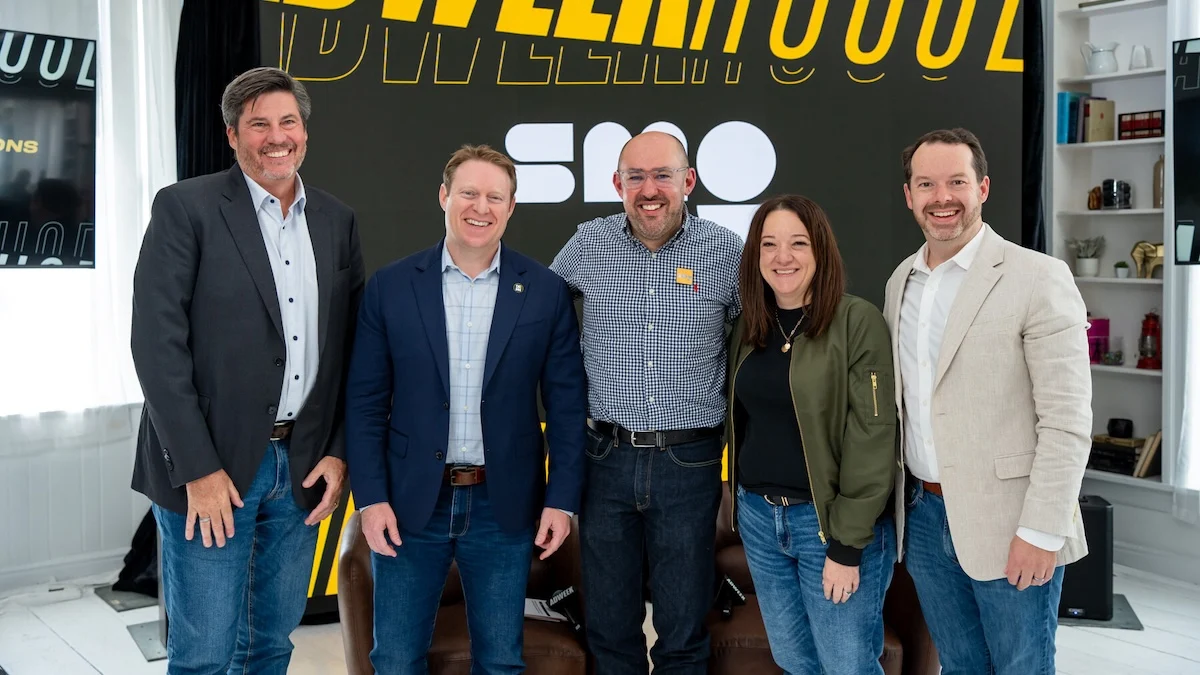
The program opened with a panel titled "Choose Your Player: The Battle for In-Store Leadership," moderated by Ollie Shayer, senior director of global strategy and innovation at SMG. The discussion featured heavyweights from the retail and media industries, including Collin Colburn (IAB), Chip Harding (Simon Property Group), Austin Leonard (DG Media Network), and Britt Polihronis (RedMedia at Hy-Vee, Inc.).
The panel focused on the "last mile" of advertising: the physical store. While digital retail media has a decade-long head start in measurement, in-store media is the new frontier. The consensus among the panelists was that the physical store remains a powerful, underutilized media channel where context is king.

2. Grocery’s Connected Ecosystem
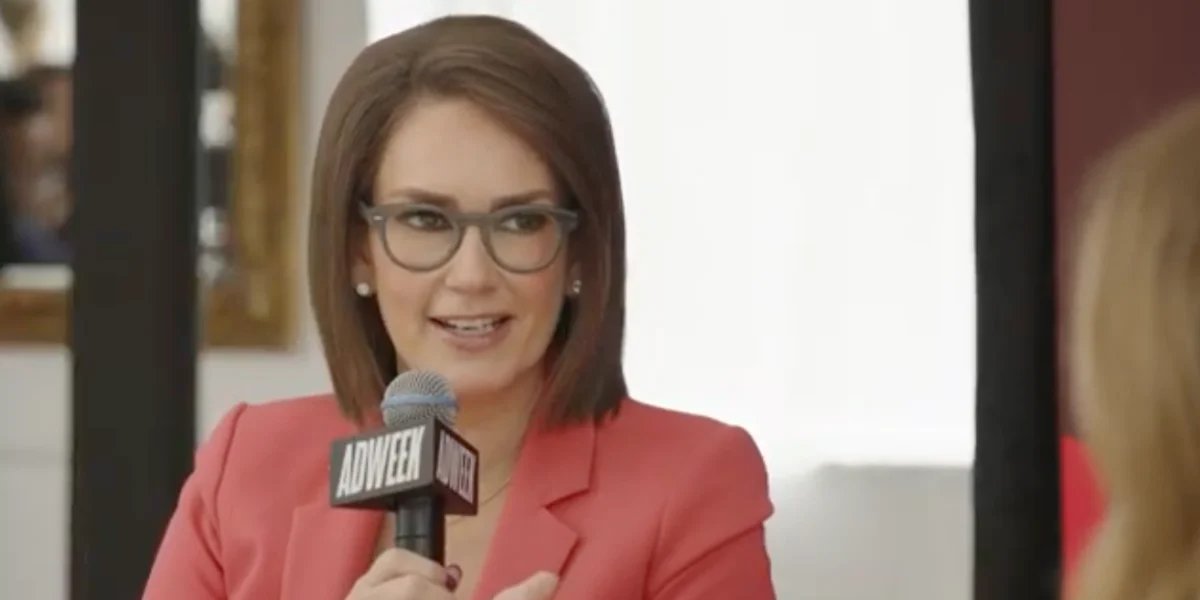
Following the in-store deep dive, Zoë Ruderman, chief content officer at ADWEEK, led a fireside chat with Liz Roche, VP of media and measurement at Albertsons Media Collective. This segment, "From Story to Store," addressed the complexities of the grocery sector. Unlike episodic purchases, grocery shopping is a rhythmic, constant part of the consumer experience. The discussion centered on how brands can leverage connected TV (CTV) and personalized promotions to build a narrative that follows the consumer from their living room to the checkout aisle.
3. The Mobility Opportunity: Travel Media Networks
The final session, "Media on the Move," moderated by SMG’s managing director for North America, Sean Crawford, shifted the focus to the travel journey. Featuring experts from Lyft Ads, WHSmith, Marriott Media, and Tripadvisor, the panel explored why travelers represent a "high-value" demographic for advertisers. By capturing consumers when they are in a transitional, often positive, state of mind, travel networks are proving that commerce media extends far beyond the traditional retail store.
Supporting Data and the Measurement Dilemma
A recurring theme across all sessions was the struggle for standardized measurement. As retail media networks proliferate, brands are being overwhelmed by disparate data sets.
The Metrics That Matter
The panel on in-store leadership highlighted that the "correct" metric is highly context-dependent:
- In Malls: Success is measured through foot traffic, dwell time, and the correlation between digital ad impressions and physical store visits.
- In Grocery: The focus is on immediate response loops—tracking how a specific shelf display or digital coupon influences a real-time product selection.
Challenging the ROAS Obsession
Liz Roche of Albertsons Media Collective provided perhaps the most provocative insight of the day, questioning the industry’s over-reliance on Return on Ad Spend (ROAS) and Incremental ROAS (iROAS). She noted that these metrics are often volatile, changing significantly based on the measurement methodology employed.
"We need to stop treating ROAS as a singular source of truth," Roche argued. Instead, she advocates for a multi-layered approach that includes:
- Category Health: Measuring whether the brand’s presence in-store is growing the total category, not just cannibalizing existing sales.
- Customer Lifetime Value (CLV): Shifting focus from one-time transactions to long-term shopper loyalty.
- Omnichannel Incrementality: Understanding the "halo effect" where a digital ad leads to an offline purchase that might otherwise not have occurred.
Official Perspectives: Industry Leaders Speak Out
The experts at ADWEEK House emphasized that the "Golden Age" of retail media is predicated on partnership and transparency.

Ollie Shayer (SMG) underscored that innovation in retail media is not just about technology, but about experience. "Advertisers are no longer just buying inventory; they are buying the opportunity to participate in the consumer’s shopping journey," Shayer noted.
Britt Polihronis (RedMedia) highlighted the necessity of balancing advertising with the shopper experience. For retailers like Hy-Vee, the media network must serve the customer first. If an ad becomes an obstruction—cluttering the aisle or annoying the shopper—the long-term equity of the store brand suffers.
Chris Norton (Marriott Media) and Steven Paganelli (Tripadvisor) reinforced the psychological component of travel media. They noted that travelers are in a "state of discovery." This emotional receptivity allows brands in home improvement, retail, and beverage sectors to engage consumers in ways that are perceived as value-adds rather than interruptions.
Implications for the Future of Commerce
The shift toward these diverse media networks holds profound implications for the marketing industry over the next five years:
1. The Rise of "Contextual Commerce"
The industry is moving toward a model where the environment dictates the ad format. As the panelists suggested, the future is not about pushing the same ad everywhere, but about tailoring the message to the specific state of mind of the consumer—whether they are navigating a mall, stocking their pantry, or checking into a hotel.
2. The Consolidation of Retail Media Networks
While there are currently dozens of competing networks, the market will likely see a move toward consolidation. Brands will gravitate toward the networks that provide the cleanest data, the best measurement tools, and the most seamless integration into their existing ad-tech stacks.
3. The Return of the Physical Store as a Media Asset
Retailers who have historically viewed their floor space as a logistics challenge are now reframing it as a premium media asset. This transformation—often called "Retail Media 3.0"—will likely involve sophisticated, AI-driven shelf displays and personalized, real-time in-store offers that bridge the gap between physical and digital.

4. Holistic Measurement Frameworks
The "measurement dilemma" identified by Liz Roche is a call to action for the industry. Agencies and brands will need to adopt proprietary, "custom-fit" measurement models that account for the nuances of their specific retail partners, rather than relying on one-size-fits-all digital metrics.
Conclusion: A New Era of Connection
The ADWEEK House sessions made one thing abundantly clear: retail media has graduated from a tactical experiment into a strategic imperative. By bridging the gap between digital intent and physical reality, brands are discovering new ways to stay relevant in a fast-paced, high-expectation economy.
As these networks continue to evolve, the winners will be those who prioritize the shopper experience, move beyond vanity metrics like raw ROAS, and embrace the full, omnichannel journey of the modern consumer. The future of commerce is not just about the transaction; it is about the story, the connection, and the context that leads the consumer to the point of purchase.
For more information on the evolving landscape of retail media and how brands can navigate these complex networks, visit [SMG’s official resource center].