In the modern supermarket, the dairy aisle has become a landscape of complex choices. Between the thick, protein-dense tubs of Greek yogurt, the familiar containers of regular yogurt, and the age-old tradition of homemade Indian curd (dahi), consumers are often left wondering which fermented dairy product truly deserves the "superfood" label.
While social media trends often present these three as fundamentally different, the reality is more nuanced. They share a common heritage as fermented milk products, yet their preparation, nutritional profiles, and culinary applications differ significantly. Understanding these distinctions is key to making informed dietary choices that align with your health goals.
Main Facts: The Anatomy of Fermented Dairy
At their core, all three products are created by introducing bacterial cultures to milk. During the fermentation process, these bacteria metabolize the milk sugar, known as lactose, converting it into lactic acid. This acid is responsible for the characteristic tangy flavor and the thickening of the milk proteins, which creates the semi-solid structure we recognize.
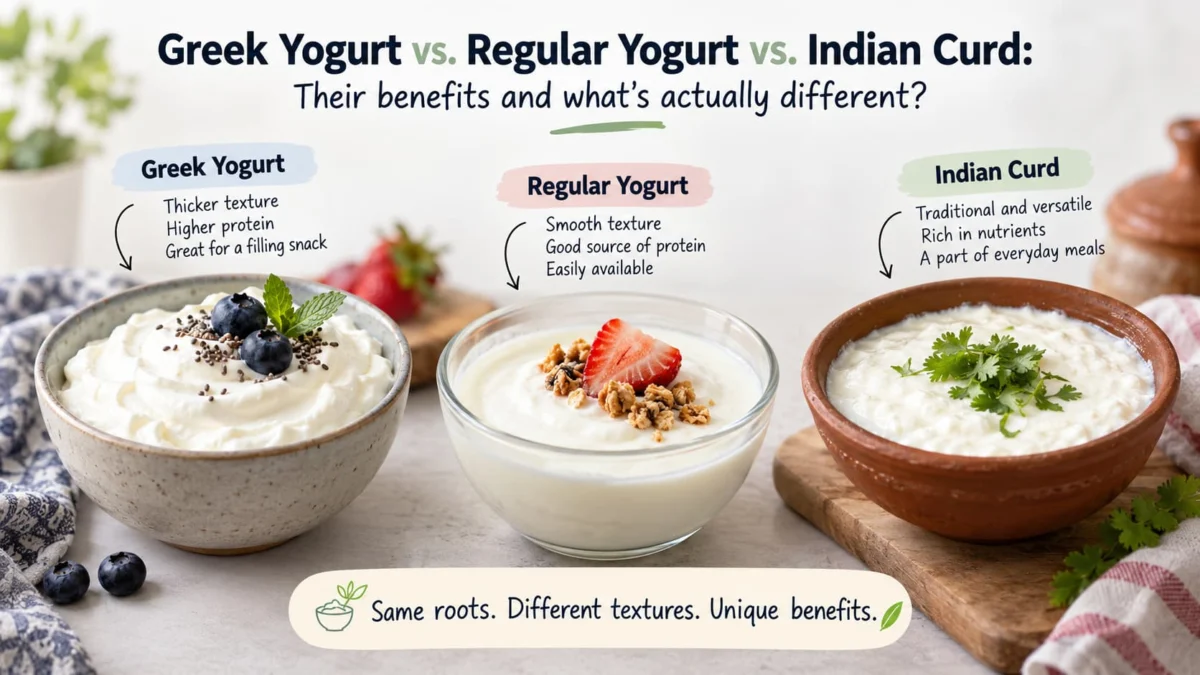
- Regular Yogurt: Produced by fermenting milk with specific bacterial strains. It retains all the liquid whey, resulting in a lighter, more fluid consistency.
- Greek Yogurt: This is essentially "strained" yogurt. After the initial fermentation, the product undergoes a physical separation process where the watery whey is removed. This concentration process increases the density of solids, specifically protein and fat.
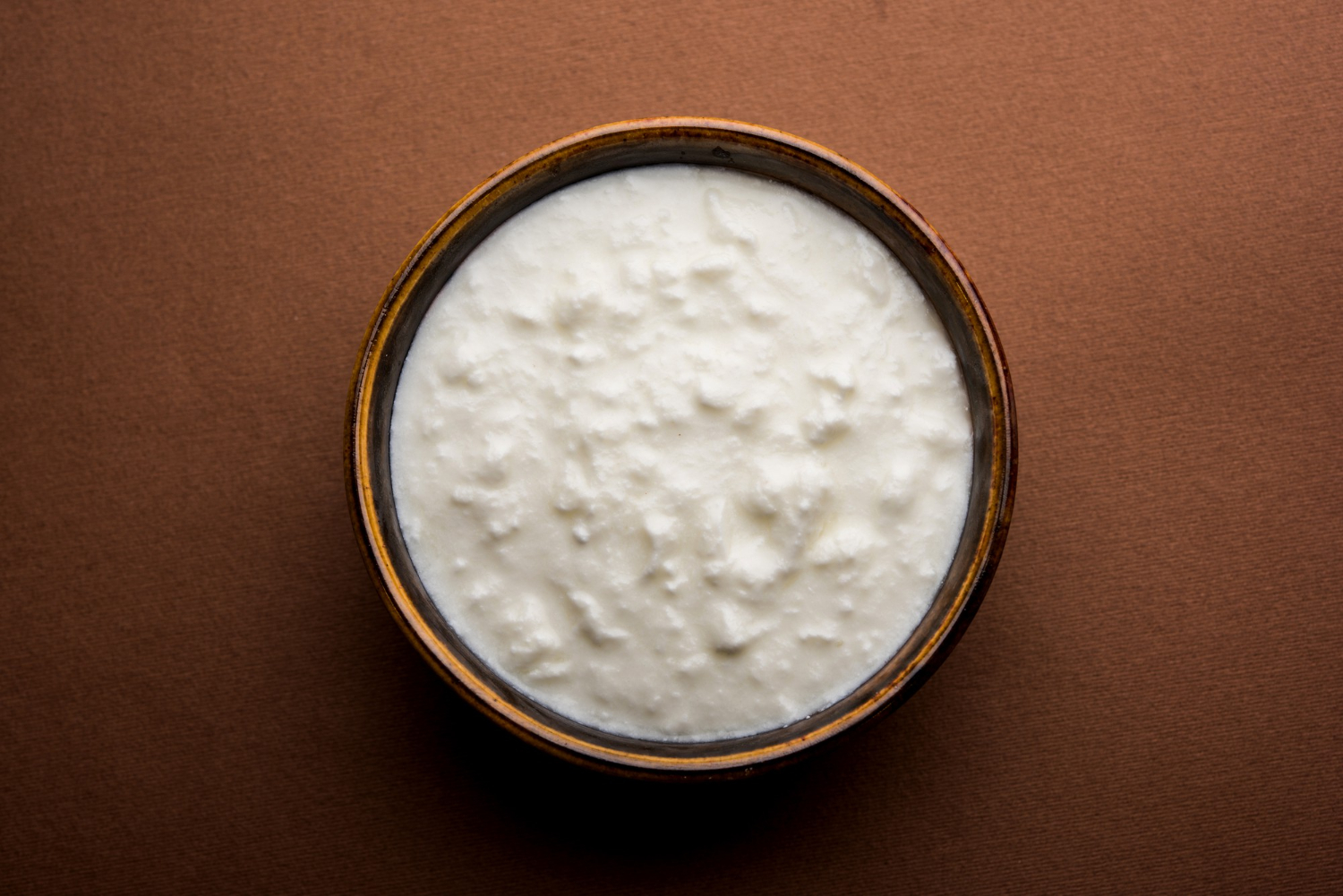
- Indian Curd (Dahi): A traditional staple, curd is typically made by using a "starter" from a previous batch. It is a home-fermented product where the microbial composition can be diverse, depending on the environment and the source of the starter culture.
Chronology and Evolution of Consumption
The history of these products is a testament to human ingenuity in food preservation.

- Ancient Beginnings: Fermentation was originally a method to preserve milk in climates where refrigeration did not exist. Early civilizations discovered that souring milk allowed for longer shelf stability.
- The Rise of Commercial Yogurt: In the early 20th century, scientists like Ilya Metchnikoff popularized the potential health benefits of lactic acid bacteria, leading to the industrialization of yogurt production.
- The Greek Yogurt Explosion: While Greek yogurt has been a Mediterranean staple for centuries, it gained global prominence in the early 2000s. Its marketing as a high-protein, low-fat alternative to traditional snacks catalyzed its rapid rise in Western diets.
- The Resurgence of Traditional Curd: In the modern era, there is a renewed interest in traditional, homemade fermented foods. As consumers look for "clean label" products, the simple, two-ingredient nature of homemade curd has regained favor as a probiotic-rich alternative to highly processed, sugar-laden commercial varieties.
Supporting Data: The Nutritional Breakdown
When evaluating these dairy products, it is essential to look beyond the marketing.
1. The Protein Factor
Greek yogurt is the clear leader in protein concentration. Because the straining process removes water, the resulting product is more concentrated. A standard serving of Greek yogurt can contain nearly double the protein of a similar volume of regular yogurt. For those focused on muscle recovery or satiety, this makes it a superior, albeit denser, choice.
2. The Calcium and Nutrient Profile
All three products are excellent sources of calcium, phosphorus, and B-vitamins. However, the exact calcium content can fluctuate based on the milk source (whole vs. skim) and whether the product has been fortified. Because regular yogurt and curd retain the whey, they may contain different mineral ratios compared to the strained Greek version.
3. The "Hidden" Sugar Trap
Perhaps the most critical data point for the average consumer is the "added sugar" content. Many flavored yogurts—regardless of whether they are "Greek-style" or "regular"—contain significant amounts of sucrose or high-fructose corn syrup. A plain container of regular yogurt will almost always be healthier than a "Greek" yogurt loaded with fruit preserves or synthetic sweeteners.

Official Guidelines and Medical Perspectives
Health organizations generally categorize all three as part of a balanced diet. The Indian Council of Medical Research (ICMR) and international dietary guidelines emphasize the role of fermented dairy in supporting gut health.
Medical professionals caution that while these products contain "live cultures," they are not all "probiotics" in the clinical sense. A true probiotic requires a specific strain, a specific dose, and clinical evidence of a health benefit. Most household or commercial yogurts are "fermented foods" that may support the microbiome, but they are not equivalent to pharmaceutical-grade probiotic supplements.
Implications for Lactose Intolerant Individuals
Fermentation is the saving grace for many with mild lactose intolerance. The bacteria break down a portion of the lactose, making these products easier to digest than raw milk. Greek yogurt, due to the straining process, often contains the lowest lactose levels, making it the most "digestible" option for those who are highly sensitive.
Culinary Implications: How to Choose
The best choice depends entirely on your intended use:
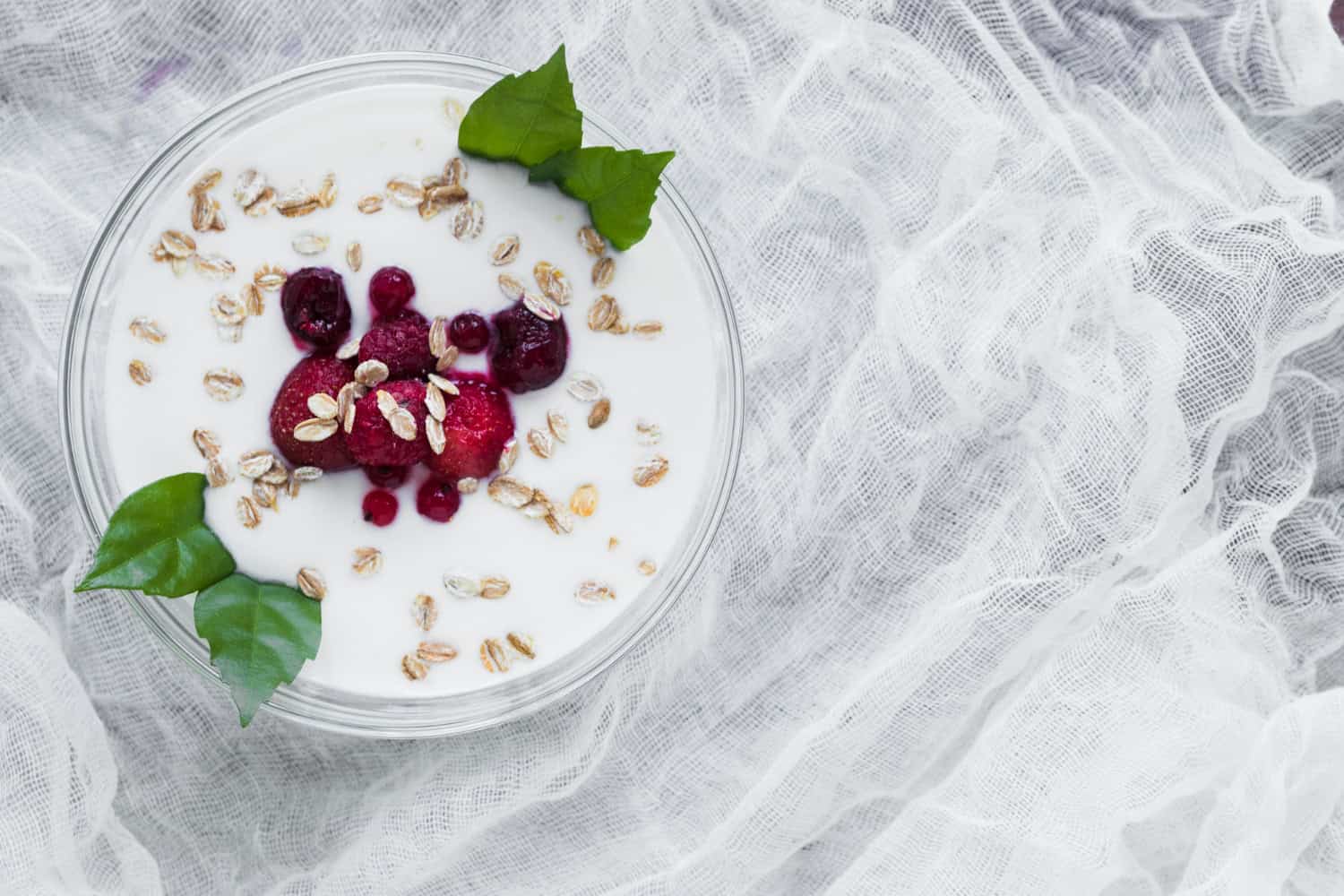
- For Smoothies and Drinks: Regular yogurt or Chaas (buttermilk made from curd) is superior due to its liquid consistency, which blends seamlessly.
- For Cooking and Baking: Greek yogurt acts as an excellent substitute for sour cream or mayonnaise in savory dishes, adding richness without the high fat content of traditional cream.
- For Traditional Meals: Indian curd is the gold standard for pairing with rice, raita, or as a cooling side dish to spicy curries, offering a unique flavor profile that Greek yogurt cannot replicate.
Frequently Asked Questions (FAQ)
Q: Is Greek yogurt always better for weight loss?
A: Not necessarily. While the high protein content keeps you full, total caloric intake remains the primary driver of weight management. A large portion of full-fat Greek yogurt is still calorie-dense.
Q: Can I replace Greek yogurt with curd in recipes?
A: You can, but expect a texture difference. Curd is generally softer and more acidic. If the recipe relies on the thickness of Greek yogurt (like a dip), you may need to strain your curd through a cheesecloth first to achieve a similar consistency.
Q: Does homemade curd contain more "good" bacteria than store-bought?
A: It is unpredictable. Homemade curd contains a diverse array of wild bacteria, which can be beneficial, but it lacks the standardized quality control of commercial products. Neither is definitively "better"—they simply serve different purposes.
Q: What is the most important thing to look for on a label?
A: Ignore the front-of-pack buzzwords like "Greek," "natural," or "probiotic." Turn the tub over and look at the "Added Sugars" line and the "Protein" content. Your goal should be high protein and zero added sugar.
Conclusion: A Balanced Approach
The "Greek vs. Regular vs. Curd" debate is, in many ways, a false dichotomy. These are not competing enemies, but rather versatile tools in a healthy kitchen.
If your goal is high-protein convenience, Greek yogurt is a powerful ally. If you are looking for a gentle, traditional addition to your meals, homemade curd remains an unparalleled staple. If you enjoy a lighter, more refreshing dairy experience, regular yogurt is a perfect fit.
The ultimate takeaway is to move away from binary thinking. Food is not a contest. By focusing on plain, minimally processed varieties and checking the nutritional labels for hidden additives, you can incorporate all three into a diverse and nutrient-rich lifestyle. Whether it’s a bowl of spiced raita for lunch, a Greek yogurt breakfast bowl, or a glass of fresh buttermilk, the best choice is the one that fits your nutritional needs and leaves you feeling your best.