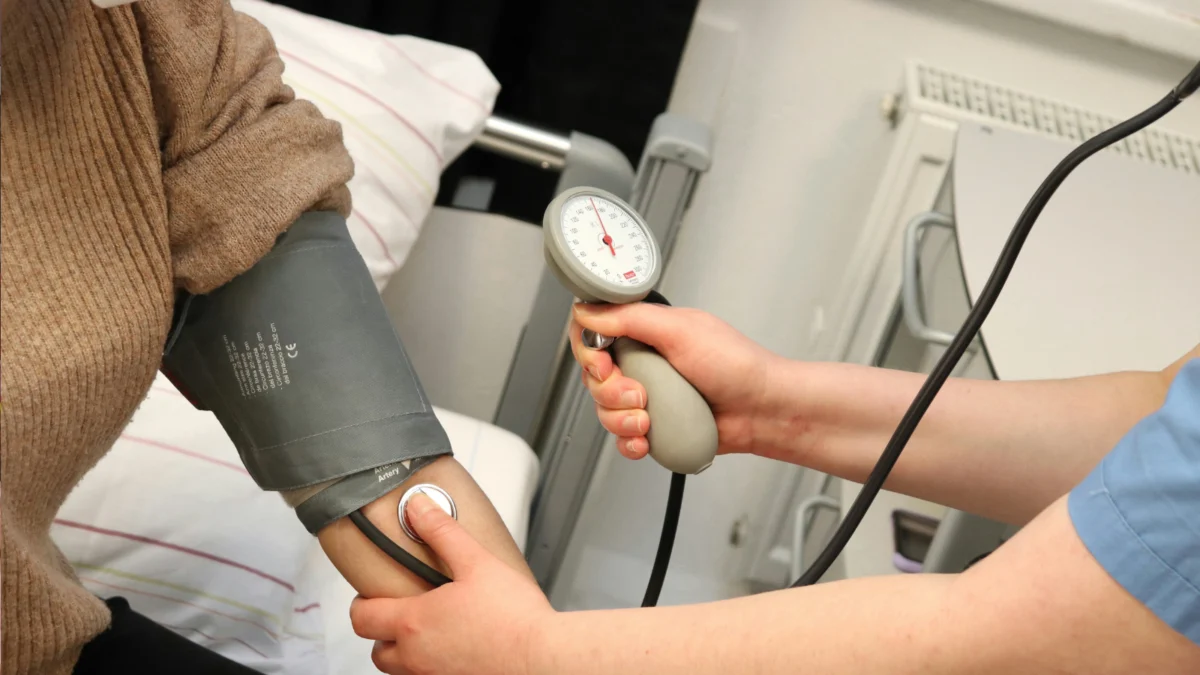
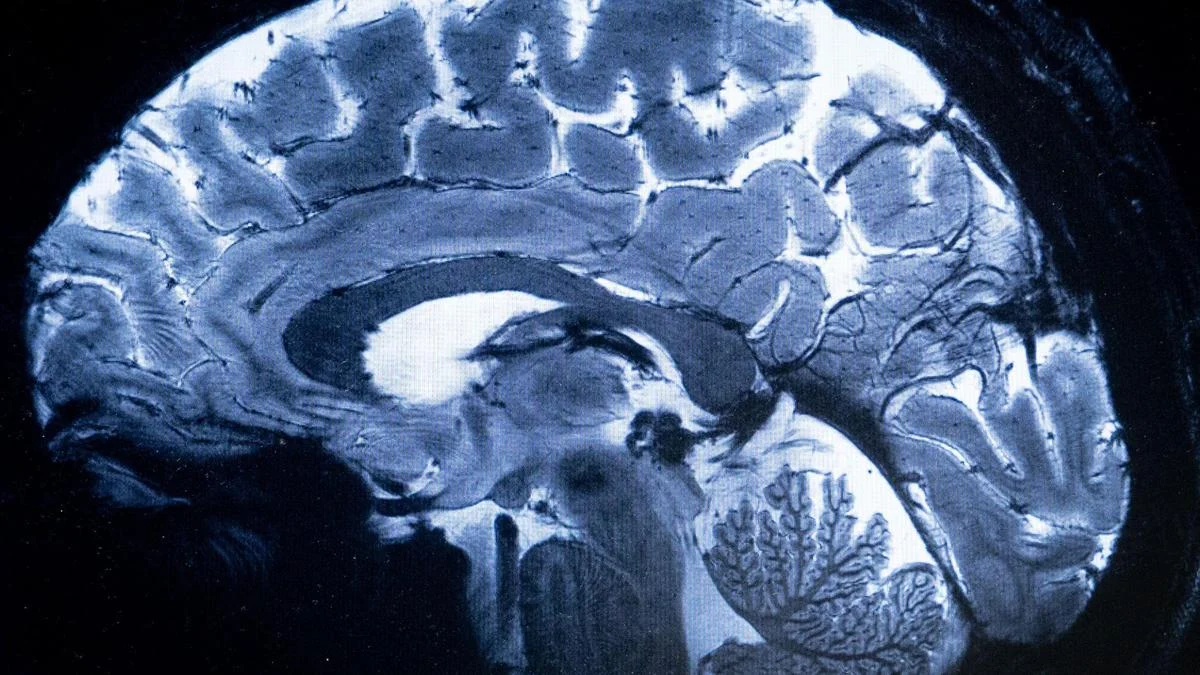
For decades, the diagnosis of Alzheimer’s disease was a process of elimination, often ending in a definitive confirmation only during post-mortem examination. Today, however, the landscape of neurodegenerative diagnostics is undergoing a seismic shift. As we enter the latter half of the 2020s, the emergence of blood-based biomarkers—tests that can detect the molecular footprints of Alzheimer’s long before a patient forgets a name or loses their way—is promising to revolutionize clinical practice.
Yet, as these diagnostic tools migrate from specialized research laboratories into the broader healthcare system, a critical consensus is forming among clinicians: the utility of a blood test lies not in a binary "positive" or "negative" result, but in the nuanced interpretation of those findings within the holistic context of a patient’s symptoms and clinical history.
The Molecular Markers of Decay
At the core of this diagnostic revolution are specific proteins that serve as indicators of biological change. Alzheimer’s disease is characterized by two primary pathological hallmarks: the accumulation of amyloid-beta plaques and the formation of neurofibrillary tangles composed of hyperphosphorylated tau (p-tau) protein.
For years, detecting these markers required invasive and expensive procedures, such as lumbar punctures to analyze cerebrospinal fluid (CSF) or specialized positron emission tomography (PET) scans. Blood-based biomarkers have changed the calculus. Researchers are now focusing on circulating levels of p-tau—specifically p-tau217 and p-tau181—and the ratio of amyloid-beta 42 to amyloid-beta 40 (Aβ42/Aβ40).
These proteins, when found in the bloodstream at specific concentrations, correlate strongly with the presence of Alzheimer’s pathology. However, the medical community cautions against viewing these tests as "magic bullets." A blood test reveals the presence of biological proteins, but it does not measure the clinical reality of the disease: the extent of synaptic loss, the degree of cognitive decline, or the functional impact on a patient’s quality of life.
A Chronology of Diagnostic Evolution
The journey to blood-based Alzheimer’s detection has been a multi-decade endeavor, marked by incremental scientific breakthroughs:
- 1906–1990s: The era of clinical observation. Diagnosis was largely based on symptomatic presentation and the subsequent exclusion of other causes of dementia.
- 2000–2010: The rise of neuroimaging. PET scans and structural MRI became the gold standard for visualizing brain atrophy and amyloid plaques in vivo, though access remained limited to elite academic centers.
- 2015–2020: The refinement of fluid biomarkers. Scientists began to successfully isolate p-tau variants in blood samples, proving that peripheral markers could mirror brain pathology.
- 2021–2025: Large-scale validation. Multi-center clinical trials demonstrated the high sensitivity and specificity of blood tests, leading to initial regulatory approvals and integration into specialized memory clinics.
- 2026 and Beyond: The push for primary care integration. The current phase focuses on standardizing these tests for widespread use, ensuring that general practitioners can interpret complex biomarker data accurately.
Supporting Data: Understanding the Science
To understand the complexity of these tests, one must understand the biology of the brain’s "waste management" system. Tau is a protein essential for stabilizing microtubules within nerve cells. In an Alzheimer’s-affected brain, tau proteins become hyperphosphorylated—adding phosphate groups that cause them to detach from microtubules and clump together into "tangles." This process destroys the internal structure of the neuron, leading to cell death.
Simultaneously, the Aβ42/Aβ40 ratio acts as a surrogate marker for amyloid-beta plaque deposition. When the ratio drops, it indicates that amyloid-beta is "sticking" in the brain rather than being cleared into the blood.
Current clinical data suggests that these blood tests are highly effective as a "rule-out" tool. A negative result from a high-sensitivity p-tau217 assay can, with a high degree of confidence, rule out Alzheimer’s as the cause of cognitive impairment. Conversely, a positive result requires follow-up, as these proteins can sometimes be elevated due to other neurological conditions, kidney dysfunction, or even normal aging processes.
Official Responses and Clinical Guidelines
Global health authorities, including the Alzheimer’s Association and international neurological societies, have issued updated guidelines regarding the use of these biomarkers. The consensus is clear: biomarkers are not a standalone diagnostic.

"We are at a point where the technology has outpaced our clinical infrastructure," says one lead neurologist at a major research hospital. "We can identify the disease years before symptoms, but we must ask: are we ready to deliver that news to a patient who is currently asymptomatic? And what do we do with that information?"
The guidelines emphasize the "Clinical Assessment First" rule. A patient must first undergo a neuropsychological evaluation to establish a baseline of cognitive function. Blood tests are then utilized to corroborate that assessment. The goal is to avoid over-diagnosis, where a patient might test "positive" for biological markers but never develop the clinical symptoms of dementia during their lifetime.
The Implications for Healthcare and Patients
The widespread adoption of blood-based Alzheimer’s testing carries profound implications for the future of medicine.
1. The Therapeutic Window
The most significant benefit of early detection is the expanded window for intervention. With the arrival of anti-amyloid monoclonal antibody therapies, identifying patients at the earliest stages of the disease—or even in the pre-symptomatic phase—is vital. These drugs appear to be most effective when administered before significant brain-cell loss has occurred.
2. The Burden of Knowledge
Early detection brings ethical dilemmas. If a patient learns they have Alzheimer’s biomarkers five years before symptoms appear, they face significant psychological stress and potential discrimination in insurance or employment. Clinicians are being trained in "diagnostic communication" to ensure that patients understand the distinction between having pathology and having dementia.
3. Healthcare Economics
While blood tests are significantly cheaper than PET scans or lumbar punctures, they will eventually be performed on millions of people. This necessitates a robust healthcare infrastructure capable of handling test standardization, quality control, and the inevitable demand for genetic counseling and specialized care coordination.
4. Health Equity
There is a risk that these tests could exacerbate health disparities. If access to high-quality blood-based testing is limited to urban, academic medical centers, rural and underserved populations may be left behind. Ensuring that these diagnostic tools are available at the primary care level is a critical public health priority for the coming decade.
Conclusion: A New Diagnostic Paradigm
As we advance through 2026, the blood-based biomarker is not replacing the neurologist; it is augmenting their diagnostic toolkit. The future of Alzheimer’s care is precision medicine—a model where the patient’s clinical presentation, lifestyle, genetic predisposition, and molecular biomarker profile are synthesized into a comprehensive care plan.
The "important question," as stated by leading clinical experts, remains the north star of this field: we must look beyond the binary of a laboratory printout. We must interpret these biological signals within the lived experience of the individual. As science continues to unlock the mysteries of neurodegeneration, the integration of these blood tests marks not the end of the diagnostic process, but the beginning of a more proactive, personalized, and hopeful era in the fight against Alzheimer’s disease.
By shifting our focus from symptomatic management to biological understanding, we are laying the groundwork for a future where Alzheimer’s is no longer a silent thief of memory, but a manageable condition detected and treated with the urgency it deserves.