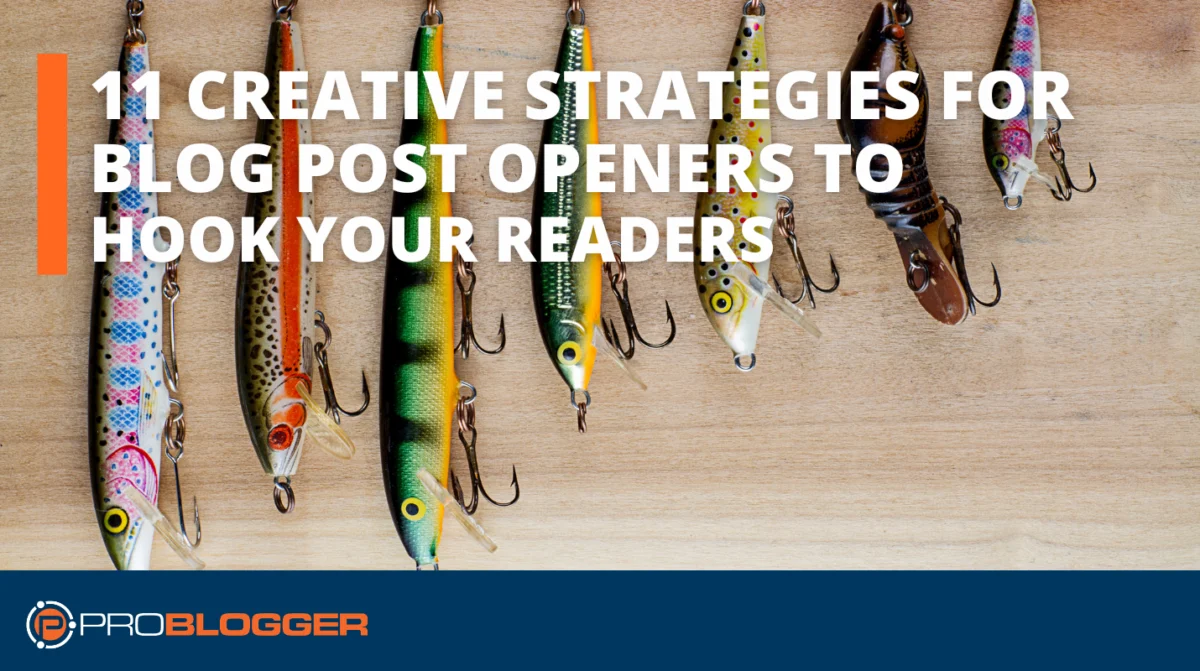
In the hyper-competitive landscape of digital publishing, the battle for a reader’s attention is won or lost in the blink of an eye. While seasoned content creators often obsess over SEO rankings and viral headlines, a critical piece of the puzzle is frequently overlooked: the opening line. If a headline is the storefront window that invites a customer inside, the opening line is the shopkeeper’s greeting—it determines whether the reader stays to browse or immediately walks back out the door.
For bloggers and content strategists, mastering the opening hook is not merely a stylistic choice; it is a fundamental pillar of reader retention and audience engagement.
The Anatomy of Engagement: Why Openers Matter
The hierarchy of a successful blog post begins with the headline, which bears the heavy burden of securing the click. However, once that click is secured, the headline’s job is finished. The responsibility then shifts to the opening sentence. Its primary function is singular: to compel the reader to consume the second sentence.
This "greased chute" effect—where one line flows effortlessly into the next—is the hallmark of high-performing digital content. When a writer fails to bridge the gap between the promise of the headline and the body of the article, the result is a high bounce rate. The reader, sensing a lack of immediate value or narrative momentum, moves on to the next tab in their browser. Understanding how to sustain interest from the first word is the difference between a fleeting visit and a loyal, recurring reader.
Chronology of a Hook: The Evolution of Digital Intimacy
The history of the "hook" traces back to classical journalism and print media, where the "inverted pyramid" style ensured that the most vital information appeared at the very top. However, the digital era has shifted the focus from purely informational to relational.
In the early days of blogging, writers prioritized personal anecdotes as a way to build community. As the medium matured, these informal greetings evolved into data-driven, value-first introductions. Today, the most successful content creators use a hybrid approach: they weave personal, human elements with high-utility promises. The evolution shows a clear trend: audiences are increasingly resistant to "fluff" and "filler." They demand an immediate return on their investment of time, forcing writers to be more surgical and strategic with their introductory prose.
11 Strategic Frameworks for Captivating Openings
To move beyond the mundane, content creators can utilize specific structural frameworks. These strategies are not universal—what works for a tech tutorial may fail in a personal memoir—but they provide a versatile toolkit for any writer.
1. Identifying the Reader’s Pain Point
The most reliable way to secure a reader is to prove you understand their struggle. By articulating a specific problem, you immediately align yourself with the reader’s needs. The goal here isn’t to solve the problem in the first sentence, but to signal that a solution is forthcoming.
2. The "Yes" Factor: One-Answer Questions
Copywriters have long used the "Yes" technique to establish a psychological rapport. By asking a question that is guaranteed to elicit a "yes" from your target audience, you create an immediate sense of agreement. This builds a subtle psychological momentum, making the reader more likely to agree with your subsequent points.
3. Sparking Curiosity with Intrigue
While a "yes" question builds rapport, an intriguing question builds suspense. The goal is to pose a query that feels incomplete without a resolution. By withholding the "why" or "how," you leverage the human brain’s natural desire to close knowledge gaps.
4. The Power of the Unexpected
Humans are hardwired to notice patterns, but we are even more attuned to breaks in those patterns. Sharing a personal anecdote—even one that seems slightly off-topic—can "snap" a reader out of their passive scrolling state. When a writer shares something vulnerable or surprising, it humanizes the brand and differentiates the content from the sea of automated, formulaic posts.
5. Storytelling and Analogies
Stories provide context that raw data cannot. Using an analogy to explain a complex topic allows the reader to ground new information in a familiar concept. Whether the story is a one-liner or a brief vignette, it serves as a narrative anchor that makes technical content accessible and memorable.
6. Making Bold, Authoritative Claims
Confidence is compelling. A bold claim—provided it is backed by evidence—sets a high expectation for the rest of the post. This approach works best when you can promise a unique insight or a significant outcome. However, it carries a risk: the writer must deliver on the promise, or risk alienating the audience through disappointment.
7. Stirring Healthy Controversy
Controversy, when used judiciously, is a potent engagement tool. Challenging a common industry assumption or taking a firm stance on a debated topic forces the reader to pay attention. It invites them to either align with your perspective or engage in a debate, both of which increase time-on-page and social interaction.
8. Painting a Vivid Picture
Imagery is not limited to photography. Descriptive, sensory-rich language allows readers to visualize a scenario, making abstract concepts tangible. By engaging the reader’s imagination, you make the content feel more real and impactful.
9. Utilizing Startling Statistics
Numbers provide an objective "hook." When a statistic reveals a surprising reality—such as the low percentage of blog readers who actually leave comments—it creates a sense of urgency. It highlights a problem the reader may not have realized they had.
10. Leveraging Influential Quotes
Quotes lend instant authority to an article. By anchoring your opening with the words of an expert or a thought leader, you signal to the reader that the content is grounded in reputable wisdom.
11. The Visual Hook
In a visual-first digital culture, the lead image is often the "opening line" of the post. A striking, relevant image can do what text sometimes cannot: evoke an immediate emotional response. Integrating visual and textual hooks creates a double-layer strategy that captures both the analytical and emotional brain.
Supporting Data and Industry Implications
Why is this effort necessary? Data consistently shows that the "attention economy" is shrinking. According to various UX studies, users decide within the first 10 to 20 seconds whether to stay on a page. During this window, the reader scans for cues that the content is worth their time.
The implication is clear: content that lacks a strong hook is invisible. From an SEO perspective, "dwell time" (the amount of time a user spends on a page before returning to search results) is a critical ranking factor. By optimizing opening lines, writers aren’t just improving the reader experience; they are actively signaling to search engines that their content provides value, which in turn improves long-term visibility.
Professional Perspectives: The "Greased Chute" Philosophy
Industry veterans often describe the ideal flow of an article as a "greased chute." The headline creates the momentum, the opening line maintains it, and each subsequent paragraph lubricates the slide. If the chute is dry—if the writing is stagnant or confusing—the reader stops.
The most effective writers approach the opening line as a distinct creative task. They often draft several variations before settling on one. They test for tone, brevity, and emotional resonance. The objective is to move the reader from a state of "browsing" to a state of "learning."
Conclusion: Crafting Your Signature Style
Mastering the art of the opening line is a continuous process of experimentation. It requires a deep understanding of your audience—knowing what keeps them awake at night, what makes them laugh, and what makes them click.
While the 11 strategies outlined above provide a roadmap, the ultimate success of an opening line depends on the writer’s ability to remain authentic. Readers can sense when a "hook" is forced or manipulative. When these techniques are applied with genuine intent, they do not just act as bait; they serve as an invitation to a deeper, more meaningful dialogue between the author and the audience.
As you move forward in your writing, remember that every post is an opportunity to forge a new connection. Don’t waste the first sentence. Treat it as the vital, transformative bridge that it is—the bridge that carries your reader from a casual passerby to an engaged participant.