
In the hyper-competitive ecosystem of digital media, a blog post’s title is its first—and often only—opportunity to make an impression. It is the gatekeeper of your content; a well-crafted headline acts as a bridge between a casual browser and an engaged reader, while a lackluster title ensures that even the most insightful prose remains buried in the digital archives.
For content creators, professional bloggers, and digital marketers, the title is not merely a label; it is the single most powerful tool in the writer’s arsenal. Understanding the mechanics of headline construction is no longer a luxury—it is a fundamental requirement for anyone looking to achieve visibility in an era of information overload.
The Strategic Importance of the Headline
The destiny of a blog post is frequently decided in the split second a user glances at a search result, an RSS feed, or a social media share. If the headline fails to capture attention, the quality of the content that follows becomes irrelevant.
Legendary advertising executive David Ogilvy once famously noted that the purpose of a headline is, quite simply, to get the reader to look at the first line of the copy. This principle remains the cornerstone of modern digital copywriting. When a title is boring, overly cryptic, or confusing, the "bounce rate"—the percentage of users who leave a site after viewing only one page—inevitably climbs. Conversely, a headline that promises value, triggers curiosity, or addresses a specific pain point acts as a catalyst for high-engagement traffic.
Chronology of Craft: The Evolution of Title Strategy
The approach to writing titles has evolved significantly since the early days of blogging. In the mid-2000s, titles were often functional and straightforward, serving primarily as identifiers for search engines. As the internet matured, the focus shifted toward "click-bait" tactics—sensationalist headlines designed solely to drive traffic regardless of content quality.

Today, the industry has reached a more balanced, sophisticated middle ground. The focus is now on "intent-based" copywriting. Modern writers understand that a headline must not only attract a click but must also fulfill the implicit promise made to the reader. This evolution has been driven by sophisticated search engine algorithms that now penalize content that fails to deliver on the expectations set by its title. The current standard is one of "high-value transparency"—creating a headline that is both magnetic and honest.
Supporting Data: Why Attention Matters
The numbers tell a compelling story regarding the necessity of optimized titles:
- The 80/20 Rule: Marketing studies consistently show that roughly 80% of readers will scan a headline, but only 20% will actually click through to read the body content. Improving a headline’s effectiveness by just a small margin can lead to a 50% or higher increase in traffic.
- Search Engine Optimization (SEO): Keywords placed at the beginning of a title have a higher correlation with top-tier search rankings than those placed at the end.
- The "User-First" Metric: Social media algorithms prioritize posts with high click-through rates (CTR). A catchy, relevant title is the primary variable that influences CTR, triggering a virtuous cycle of increased organic reach.
8 Proven Techniques for Crafting High-Impact Titles
While there is no "magic bullet" that guarantees success for every post, there are eight time-tested strategies that professional copywriters utilize to maximize engagement.
1. Communicate a Tangible Benefit
Readers are inherently motivated by self-interest. They want to know, "What is in it for me?" Titles that explicitly state the utility of the post—such as "How to Master Digital Photography" or "10 Ways to Improve Your Writing Speed"—provide a clear value proposition. These titles perform exceptionally well because they target a specific audience seeking a specific solution.
2. The Power of Controversy
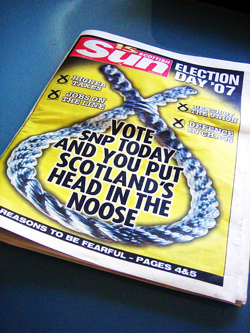
Human beings are wired to respond to debate. A well-placed, provocative opinion or a title that challenges a status quo can drive significant traffic. However, this strategy requires caution; the content must be able to substantively back up the headline. Using controversy merely for the sake of clicks leads to a breakdown in trust, which can permanently damage a brand’s reputation.

3. Leveraging the Interrogative
Questions are the most effective way to trigger a cognitive response. When a reader encounters a question, their brain automatically begins formulating an answer. Titles that ask, "Are You Making These Common Blogging Mistakes?" are inherently more engaging than a declarative statement, as they demand an internal evaluation from the reader.
4. Personalization and the "You" Factor
Addressing the reader directly is a cornerstone of effective copywriting. Using the word "you" or "your" in a title instantly narrows the focus of the content, making the reader feel as though the article was written specifically for their unique situation.
5. Strategic Keyword Integration
Keywords serve a dual purpose: they assist search engines in categorizing content, and they provide clarity to the user. For optimal performance, aim to place primary keywords at the very beginning of the title to ensure they are not cut off in search engine results pages (SERPs).
6. The Use of "Power Words"
Certain words possess a psychological weight that commands attention. Terms like "Essential," "Stunning," "Proven," or "Breakthrough" act as emotional triggers. Use these sparingly, however; over-reliance on hyperbolic language can lead to skepticism and "click-fatigue" among your audience.
7. Big Claims and Guarantees
Bold promises can be highly effective, provided they are rooted in reality. A title that claims to "Double Your Productivity in 24 Hours" is undeniably magnetic. The risk, of course, is the "delivery gap." If the article fails to deliver on the promise, the reader will feel deceived. Use this technique only when your content is substantial enough to support the claim.
8. The Humorous Approach
Humor is a sophisticated tool. When executed correctly, a witty or clever title can build a strong rapport with a reader. The danger lies in the subjectivity of humor—what one person finds hilarious, another may find confusing or off-putting. Humor should be used selectively and should generally be combined with clear keyword usage.
Implications: The Ethics of the Headline
While these techniques are designed to boost traffic, there is a significant ethical implication for the modern content creator. We live in an era of "fake news" and hyper-sensationalism. Writers must resist the temptation to use "click-bait" in its negative, deceptive sense.
The most successful bloggers and journalists are those who build a bridge of trust with their audience. A title that promises a revolution but delivers a pamphlet creates a negative user experience that will ultimately drive readers away. The long-term implication for any content strategy is that honesty is the most sustainable marketing strategy.
Final Recommendations for the Modern Blogger
To ensure your titles consistently perform at a high level, consider these final best practices:
- Do Not Rush: The title is the most important part of your post. If you spend five hours writing a post, spend at least 30 minutes crafting and refining the title.
- Keep it Concise: While long titles can work in specific contexts, simplicity is usually superior. Aim for a length that remains visible in search results—typically under 65 characters.
- Avoid Punctuation Clutter: Punctuation like periods at the end of titles can disrupt the visual flow. Keep titles clean and punchy.
- Continuous Testing: Use A/B testing whenever possible. By testing two variations of a headline, you can gather data on what specifically resonates with your audience, allowing you to refine your approach over time.
By treating the headline as a critical, high-effort component of the writing process, you move beyond mere content creation and into the realm of effective communication. In the digital age, a well-crafted title is not just a gateway; it is an invitation to a conversation that your audience is waiting to have.