
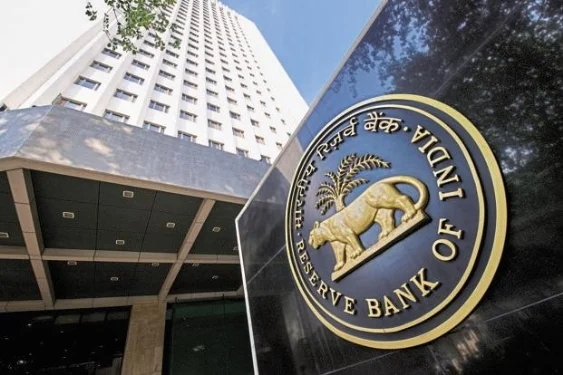
In a significant move to streamline India’s digital financial infrastructure, the Reserve Bank of India (RBI) has announced a trio of transformative measures aimed at enhancing consumer convenience and simplifying data management. The central bank’s latest directive focuses on achieving true interoperability within the Account Aggregator (AA) ecosystem, expanding the scope of the Consolidated Account Statement (CAS), and establishing a high-level committee to oversee emerging technological policies.
These reforms, which are slated for implementation by December 31, 2026, represent a pivotal shift in how Indian consumers interact with their financial institutions, moving the needle toward a more unified and friction-free banking experience.
Main Facts: The Three Pillars of the RBI Directive
The RBI’s recent press release outlines a strategic roadmap intended to remove the "silos" that have historically hampered the efficiency of digital financial services.
- Full Interoperability for Account Aggregators: Perhaps the most significant change is the mandate for universal interoperability. Currently, users are often restricted by the specific AA platform their bank supports. The new framework will allow consumers to access and share their financial data across any Account Aggregator, regardless of the institutions they are linked to.
- Expansion of the Consolidated Account Statement (CAS): The RBI has decided to broaden the utility of the CAS, which currently serves as a single view of an investor’s holdings in demat accounts and mutual funds. Under the new guidelines, demat deposits will now be integrated into this statement, providing a comprehensive snapshot of an individual’s financial assets in one document.
- Formation of a Technology Policy Committee: Recognizing the rapid evolution of fintech, the RBI is establishing a dedicated committee to provide ongoing oversight and recommendations on technology policy. While the specifics of the committee’s mandate and membership are pending, it signals the regulator’s intent to stay ahead of the curve in the digital assets and data security landscape.
Chronology: Building the Digital Financial Bridge
The path to these reforms has been marked by a concerted effort to balance data security with financial inclusion.
- 2016: The RBI introduces the Account Aggregator framework, aiming to provide a secure, consent-based mechanism for data sharing between Financial Information Providers (FIPs) and Financial Information Users (FIUs).
- 2021–2024: The AA ecosystem gains momentum, with major public and private sector banks onboarding the system. However, adoption remains uneven as FIPs cite operational and compliance burdens as reasons for not supporting every existing AA platform.
- March 2025: Sahamati, the industry alliance for the AA ecosystem, highlights the "integration friction," noting that FIPs are not mandated to work with all AAs, creating a fragmented landscape for the end-user.
- October 2026: The RBI issues its latest press release, formally announcing the interoperability mandate and the inclusion of demat deposits into the CAS, effectively addressing the primary technical and user-experience concerns raised by the industry over the preceding years.
The Account Aggregator Dilemma: Bridging the Gap
To understand the weight of the RBI’s announcement, one must look at how the AA ecosystem functions today. Account Aggregators operate as licensed NBFCs that serve as a bridge between those who hold financial data (FIPs, such as banks and insurance companies) and those who require it (FIUs, such as lenders and wealth management platforms).
The Current Friction
The "gap" identified by the industry has been the lack of universal integration. Because FIPs were not legally required to work with every AA, a user whose bank was only integrated with "AA-A" could not use "AA-B" to fetch their statements. This forced users to sign up for multiple AA platforms, undermining the convenience that the framework was designed to provide.
The Interoperability Solution
By mandating interoperability, the RBI is essentially setting a "universal standard" for communication between these entities. Once implemented, a user will only need to maintain one AA account. Whether applying for a home loan, a credit card, or a personal line of credit, the user’s consent will be sufficient to fetch data from any FIP, regardless of the AA platform they are using. As Governor Sanjay Malhotra recently noted, the goal is to shift the burden of connectivity from the user to the underlying infrastructure providers.
Supporting Data and Industry Context
The necessity for these changes is backed by the explosive growth in digital lending and portfolio management in India. According to industry data, millions of Indians are now utilizing digital platforms to manage their wealth. However, the manual consolidation of statements—checking bank apps, logging into demat portals, and tracking mutual fund apps—remains a major pain point.
The inclusion of demat deposits in the CAS is a direct response to this. Previously, the CAS served primarily as a reflection of transactions and holdings in CDSL/NSDL demat accounts and Statement of Account (SOA) mutual fund holdings. By incorporating demat deposits, the RBI is creating a "single source of truth" for retail investors, reducing the risk of missing assets during financial planning or credit assessment.
Official Responses and Strategic Implications
The industry response to these announcements has been largely positive, though stakeholders remain cautious about the implementation phase.

The Regulatory Perspective
The RBI’s move is viewed as a "maturity step" for the Indian digital economy. By mandating interoperability, the regulator is essentially shifting the AA model from a competitive ecosystem where platforms battle for FIP integrations to a utility-based model where platforms compete on the quality of their user interface and value-added services.
Potential Challenges
While the policy directive is clear, critics point to the complexity of the transition. Key questions that remain unanswered include:
- Migration of Consent: Will existing consent tokens and AA handles be automatically migrated, or will users be required to re-authenticate their data sharing permissions?
- Technical Specifications: How will the new Technology Policy Committee ensure that the common APIs—prescribed by bodies like ReBIT—do not become obsolete as new technologies like blockchain or AI-driven analytics become more prevalent?
- Data Security: With greater interoperability comes a larger attack surface. The committee will likely need to focus heavily on robust cybersecurity protocols to prevent unauthorized data access across the integrated network.
Implications for the User: A New Financial Reality
For the average Indian consumer, the implications are profound:
- Simplified Credit Access: Applying for a loan will become faster. Since the lender can access verified financial history through any AA, the "paperwork" phase of loan processing is expected to shrink from days to minutes.
- Holistic Wealth Tracking: With the expanded CAS, users will no longer need to maintain separate spreadsheets to track their net worth. The document will act as a comprehensive audit of their financial health.
- Reduced Digital Clutter: The ability to consolidate data under one AA means fewer apps, fewer logins, and a significant reduction in the security risks associated with managing multiple digital financial accounts.
Conclusion
The RBI’s latest announcements are a testament to the regulator’s proactive stance on digital transformation. By forcing the hand of FIPs toward total interoperability and streamlining asset tracking through the CAS, the RBI is not just fixing technical bugs—it is fundamentally reshaping the relationship between the Indian citizen and their financial data.
As the December 2026 deadline approaches, the success of these measures will depend on the technical rigor of the new Technology Policy Committee and the willingness of the banking sector to embrace a truly open-architecture financial ecosystem. For now, the move marks a significant leap toward a more transparent, efficient, and user-centric financial future in India.