
By Financial News Desk
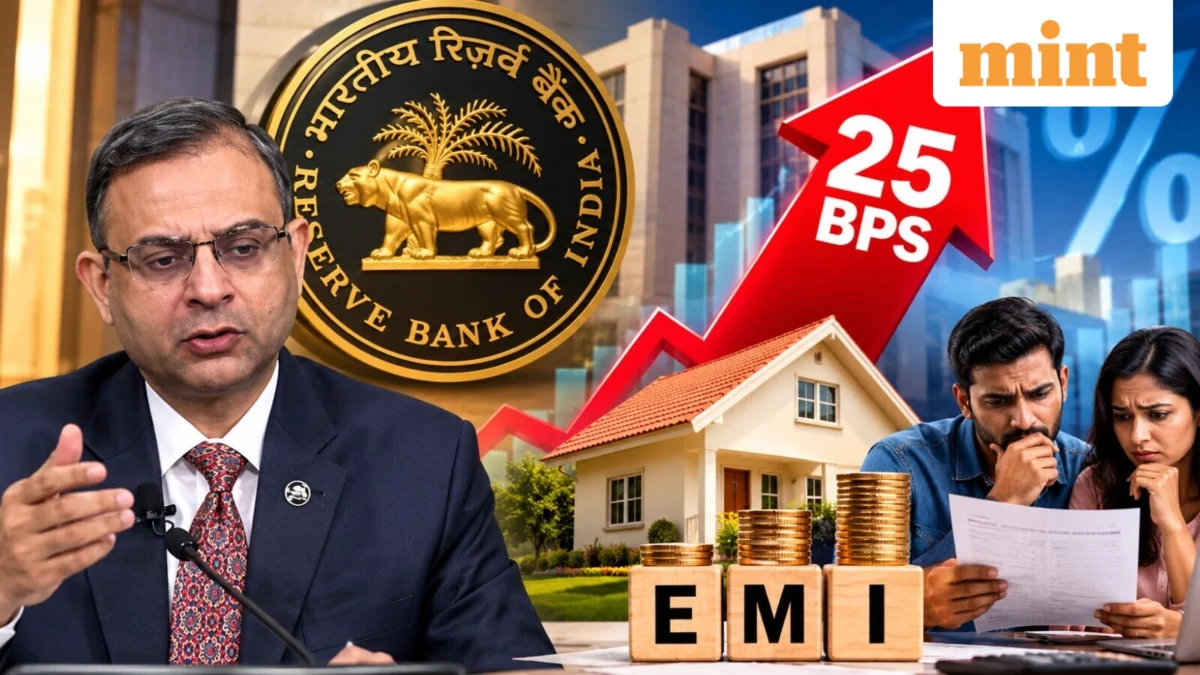
In a significant shift for India’s monetary landscape, the Reserve Bank of India (RBI) officially signaled an end to the era of accommodative interest rates. On October 7, 2026, the central bank’s Monetary Policy Committee (MPC) voted unanimously to raise the benchmark repo rate by 25 basis points (bps), lifting it from 5.25% to 5.50%. This move, the first of its kind since 2023, marks a decisive pivot toward "calibrated tightening" as the nation grapples with persistent inflationary pressures and a volatile currency environment.
Within hours of the central bank’s announcement, a cascade of major Indian lenders—including Punjab National Bank (PNB), Bank of Baroda (BoB), Bank of India (BoI), Indian Bank, Indian Overseas Bank, and Tamilnad Mercantile Bank—announced immediate revisions to their lending rates. For millions of retail and corporate borrowers, the message is clear: the cost of capital is rising, and the financial burden of servicing existing and future debt is set to increase.
The Monetary Policy Pivot: Why the RBI Acted
The decision to hike the repo rate was not entirely unexpected, yet it carried significant weight as it represented the first such intervention since the tenure of Governor Sanjay Malhotra began in December 2024. For months, the MPC had maintained a cautious stance, balancing the need for economic growth against the creeping menace of inflation.
However, the latest economic data necessitated a shift. With global commodity prices remaining unstable and domestic retail inflation showing signs of exceeding the central bank’s comfort zone, the MPC opted for a preemptive strike. Governor Malhotra, in his post-policy address, emphasized that the decision was driven by the necessity to anchor inflation expectations.
"The stance of ‘calibrated tightening’ reflects our commitment to price stability," Malhotra noted. By ruling out rate cuts in the near term, the RBI has effectively signaled to the market that the current inflationary cycle requires a more disciplined monetary approach.
Chronology of the Market Response
The chain reaction following the RBI’s 2:00 PM announcement was swift:
- 14:00 IST: The RBI MPC releases its policy statement, confirming a 25 bps hike in the repo rate to 5.50%.
- 16:30 IST: Financial markets reflect the news, with banking stocks showing volatility as investors digest the implications of higher interest rates on credit demand.
- 18:00 IST: Punjab National Bank (PNB) becomes the first major public sector lender to issue a circular regarding the upward revision of its External Benchmark Lending Rate (EBLR).
- 19:30 IST: Bank of Baroda and Bank of India follow suit, announcing that the transmission of the rate hike would be immediate for all floating-rate loans.
- 21:00 IST: Smaller lenders, including Tamilnad Mercantile Bank, align their internal interest rate structures with the new benchmark, ensuring that the hike permeates across both large and mid-sized banking institutions.
Implications for the Retail Borrower
For the average Indian consumer, the primary concern is the impact on Equated Monthly Installments (EMIs). Most home, auto, and personal loans in India are currently linked to an External Benchmark Lending Rate (EBLR), which is directly tied to the repo rate.
Floating-Rate Loans: The Direct Impact
"The impact will be immediate for borrowers with floating-rate home loans linked to external benchmarks," explains Santosh Agarwal, CEO of Paisabazaar. Because these loans are pegged directly to the repo rate, any movement by the RBI is transmitted almost instantaneously to the borrower’s interest rate.
For a home loan of ₹50 lakh with a 20-year tenure, a 25 bps increase could translate to an additional ₹800 to ₹1,000 in monthly interest payments, depending on the remaining tenure and the specific bank’s reset clause. While this might appear manageable in isolation, it comes at a time when household budgets are already stretched by broader inflationary trends in food and fuel prices.

Tenure vs. EMI: The Strategic Choice
Banks typically offer borrowers two ways to absorb a rate hike: keeping the EMI constant and extending the loan tenure, or keeping the tenure constant and increasing the EMI.
- The Tenure Extension Trap: Many borrowers prefer to keep their EMIs stable. However, banks may extend the loan tenure to compensate for the higher interest rates. While this protects the monthly cash flow, it significantly increases the total interest paid over the life of the loan. In some cases, a 25 bps hike can lead to a tenure extension of several months or even years, depending on the borrower’s age and remaining loan balance.
- Increased EMI: Those who choose to increase their EMI will pay off the loan faster but will face immediate pressure on their monthly disposable income.
Corporate Sector and Credit Growth
The impact of the rate hike is not limited to retail consumers. Corporate borrowers, particularly those in capital-intensive sectors like manufacturing and infrastructure, are also bracing for higher borrowing costs. As the cost of debt rises, companies may be forced to reassess their capital expenditure plans.
Analysts suggest that while the Indian economy has shown resilience, a sustained period of high interest rates could eventually moderate credit growth. "Banks will remain cautious," says a senior banking analyst. "With the cost of funds rising, lending institutions will likely become more selective in their underwriting processes, prioritizing credit quality over volume."
Expert Perspectives: A Necessary Correction?
Economists are largely divided on the long-term efficacy of the move. Supporters argue that the RBI is acting as a "responsible steward" of the economy, preventing the rupee from further depreciation and keeping inflation from spiraling out of control.
"Inflation is a tax on the poor," says Dr. Anjali Mehta, a macroeconomic researcher. "By raising rates, the RBI is protecting the purchasing power of the average citizen, even if it causes short-term discomfort for borrowers. This is a necessary correction after years of ultra-low rates."
Conversely, some industry bodies have expressed concern that the timing of the hike could dampen the festive season demand, a critical period for India’s retail sector. With borrowing becoming expensive, consumers might defer big-ticket purchases such as vehicles or real estate, potentially slowing the momentum of domestic consumption.
What Should Borrowers Do Now?
Financial advisors are urging borrowers to adopt a proactive approach:
- Audit Your Loan: Check your loan statement to see if your rate is linked to the repo rate or an older benchmark like the MCLR (Marginal Cost of Funds-based Lending Rate). MCLR-linked loans usually have a lag in transmission, meaning the impact may take a few months to reflect.
- Evaluate Prepayments: If you have surplus savings, consider making a partial prepayment. Reducing the principal amount is the most effective way to neutralize the impact of a rate hike.
- Check Reset Clauses: Understand your bank’s reset frequency. Some banks reset rates quarterly, while others do it monthly. Knowing when your rate will be updated allows for better financial planning.
- Avoid New Debt: Unless essential, experts advise against taking on new high-interest debt during this period of monetary tightening.
Conclusion: The Path Ahead
The 25 bps hike is more than just a number; it is a signal that the global macroeconomic environment is shifting. As the RBI maintains a hawkish stance to defend the rupee and curb inflation, the Indian banking sector will continue to adjust its lending and deposit rates accordingly.
For the borrower, the coming months will require heightened financial vigilance. While the hike may be modest in the short term, the cumulative effect of interest rate cycles is significant. By staying informed, managing debt strategically, and prioritizing repayment, consumers can navigate this period of "calibrated tightening" without compromising their long-term financial health.
As the financial year progresses, all eyes will remain on the next MPC meeting. For now, the message from the central bank is clear: stability is the priority, and the cost of capital is moving upward.