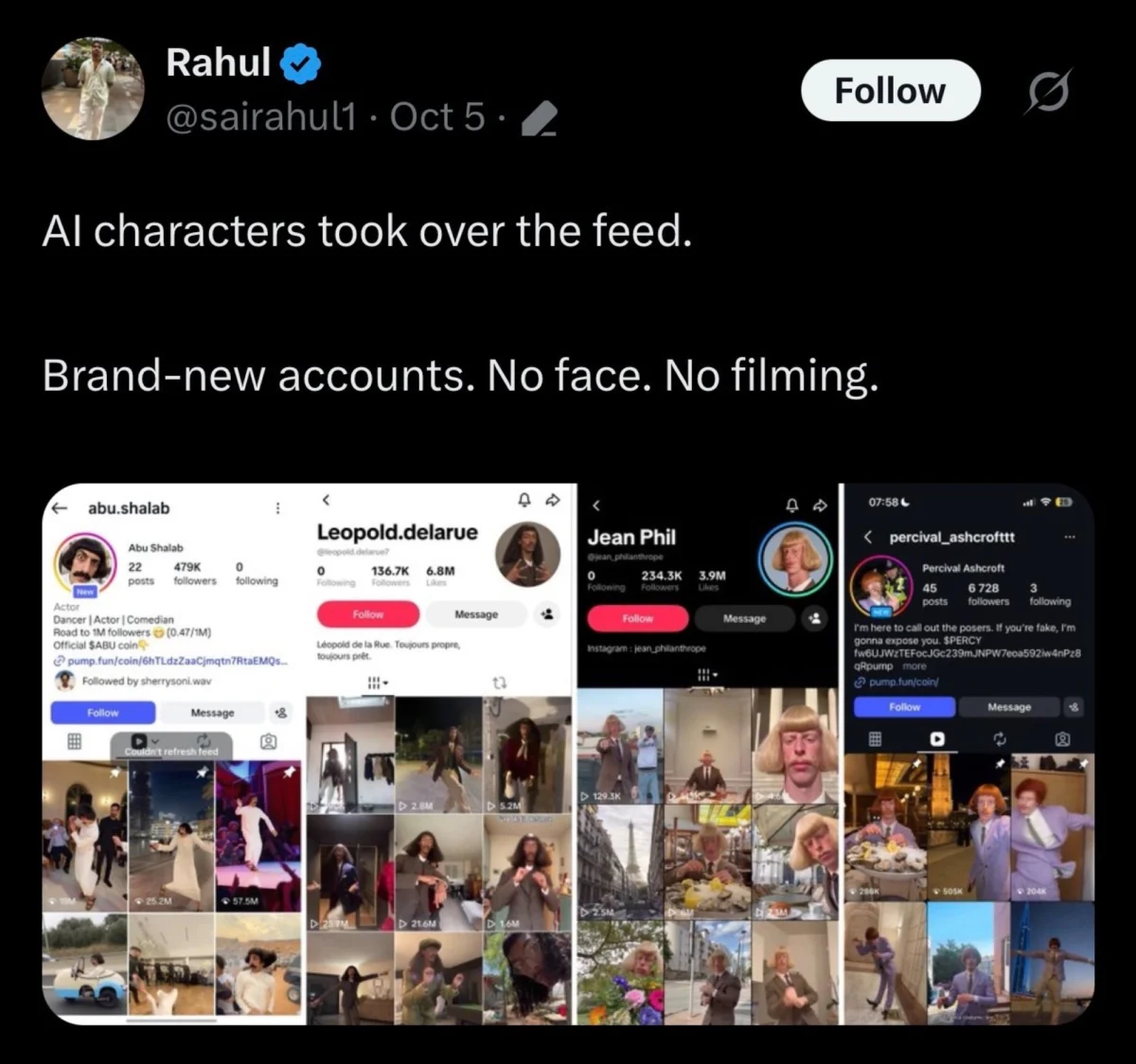
The digital landscape is currently undergoing a radical transformation that blurs the line between human artistry and algorithmic simulation. On screens across Instagram, TikTok, and YouTube, charismatic models, relatable lifestyle vloggers, and sharp-witted stand-up comedians are commanding massive audiences. They appear to be living, breathing individuals, yet they do not exist. They are the products of an burgeoning "AI influencer" economy—a space where synthetic characters are weaponized to capture attention, sell products, and, increasingly, misappropriate the hard-earned intellectual property of human creators.
As of October 2026, the rise of these "synthetic performers" has shifted from a niche technological curiosity to a disruptive business model. While proponents argue that AI offers a "clean slate" for brand marketing and creative expression, the reality on the ground is a chaotic, often predatory, environment where the theft of jokes, likenesses, and creative labor has become a standard, if unethical, growth hack.
The Architecture of a Digital Ghost
The process of creating an AI influencer has evolved from complex deepfake engineering to a streamlined, almost "plug-and-play" operation. Tutorials proliferating across social media platforms break the process down into a simple, three-stage workflow: character development, visual synthesis, and content replication.

Creators begin by defining a persona using Large Language Models (LLMs) like ChatGPT or Claude, which help craft backstories, distinct personalities, and brand voices. Once a "character sheet"—a collection of reference images—is generated to ensure visual consistency, the operator utilizes specialized tools such as Higgsfield’s Genjutsu. These platforms allow users to upload existing video footage—often stolen from popular human creators—and command the AI to "replace the person in the video with the character from the image."
The result is a seamless, hyper-realistic video where the lighting, camera movement, and framing remain identical to the original, but the face, body, and voice belong to a synthetic entity. Platforms like HeyGen and ElevenLabs further facilitate this by generating eerily human-like speech and lip-syncing capabilities, allowing these avatars to talk, joke, and perform without a single human actor stepping in front of a camera.
A Chronology of the "Influencer" Takeover
The rise of AI influencers did not happen overnight, but the pace has accelerated significantly throughout 2026.

- Early 2020s: Virtual influencers like Lil Miquela paved the way, primarily as high-end, brand-sponsored digital art projects created by professional studios.
- Late 2025: The barrier to entry collapsed. With the release of accessible, low-cost AI video-swap tools, individual operators began mass-producing "lifestyle" and "comedy" accounts.
- September 2026: A wave of "comedy" accounts emerged, such as the now-infamous "Tiffany Sloane," which utilized AI avatars to regurgitate stand-up comedy routines previously performed by human comics.
- October 2026: A public reckoning began. Human comedians, including George Brett Olsen and Olivia Carter, publicly identified their own jokes being performed by AI models, sparking widespread backlash and calls for platform-wide regulation.
The Economics of Synthetic Fame
While these influencers can garner millions of views, the monetization model is rarely as straightforward as traditional creator brand deals. Because platforms like YouTube have implemented strict "originality requirements" that disqualify mass-produced, low-effort AI content from ad revenue sharing, operators have turned to more aggressive tactics.
For many, the viral content is merely a "top-of-funnel" marketing strategy designed to drive traffic to NSFW-subscription platforms like OnlyFans or Fanvue. By leveraging hyper-sexualized avatars—often designed with exaggerated, unrealistic physical proportions—these operators exploit the attention economy to convert viewers into paid subscribers.
Furthermore, a secondary "educational" industry has emerged. Influencers like the AI-generated Aitana López sell courses through platforms like Skool.com, promising to teach others how to "build, position, and monetize" their own AI avatars. This creates a cycle where the business model isn’t just the influencer itself, but the commodification of the process used to create them.

Official Responses and Platform Governance
The tech giants are caught in a reactive cycle, attempting to balance innovation with the protection of intellectual property.
Meta has implemented "AI info" labels, and TikTok has introduced disclosure tools, but these labels do not address the fundamental issue of consent. A label identifies that content is AI-generated, but it does not tell the viewer whether the original performance was stolen or if the person whose face is being simulated consented to the digital likeness.
TikTok’s stance, as communicated in August 2026, involves testing "AI Cast" tools while simultaneously struggling to address the rampant theft of creator content. Meanwhile, YouTube’s policy has become more stringent, with an update in July 2025 explicitly stating that "repetitive or mass-produced content" is ineligible for the Partner Program. Despite these rules, enforcement remains difficult. As one comedian noted, "A bunch of people tried reporting it, but the account just kept posting."

Implications: The Death of Authenticity?
The implications of this shift are profound, affecting not just individual comedians, but the broader definition of beauty and creativity.
The Narrowing of Beauty Standards
Critics, including Sara Ziff of the Model Alliance, argue that the proliferation of idealized, artificial bodies—which often lean into hyper-sexualized tropes—risks narrowing our cultural definition of beauty. By presenting an unattainable, synthetic standard of "perfection," these AI influencers may inadvertently worsen body image insecurities among younger audiences who cannot distinguish between real human bodies and curated algorithms.
The Intellectual Property Crisis
For the comedy community, the threat is existential. Comedians spend years honing their timing, their voice, and their material. To see that work stripped away and re-packaged by a bot—and then blocked from viewing their own stolen material—is a profound violation of professional ethics. As Sarah Purdum, a comedian whose work was targeted, noted, the trend specifically exploits female creators, repurposing their labor to appeal to male audiences looking for "perfect" AI models.

The Future of "Human" Content
The central question remains: what happens to the creator economy when the humans are optional? If AI can perform the joke, wear the outfit, and "live" the lifestyle, the value of human experience—the actual "living" of a life—is being devalued.
As we move forward, the "AI influencer" business model faces a pivotal moment. Will platforms continue to allow a Wild West environment where intellectual property is treated as a free resource for bot-operated accounts? Or will there be a massive, industry-wide shift toward the legal protection of human likeness and creative labor?
For now, the digital feed is becoming a hall of mirrors. We are watching performances that require no rehearsal, stories that require no truth, and influencers who have never taken a breath. The "AI creator business" is undoubtedly profitable for those at the top, but it is built on a foundation of mimicry that threatens to hollow out the very culture it seeks to inhabit. The challenge for 2027 and beyond will be whether we can build a digital ecosystem that rewards the human, or whether we are content with a world where the most popular faces are merely lines of code.