This post was created in partnership with Atmosphere TV
The digital advertising landscape is currently undergoing a tectonic shift. For over a decade, the primary objective for marketers has been to capture the individual’s attention on their personal devices—a journey often defined by the "scroll" and the "swipe." However, as consumer behavior evolves, the era of solitary digital consumption is giving way to a resurgence of the communal experience. People are stepping away from their home offices and private living rooms, flocking back to bars, gyms, restaurants, and transit hubs to reclaim the social fabric of public life.
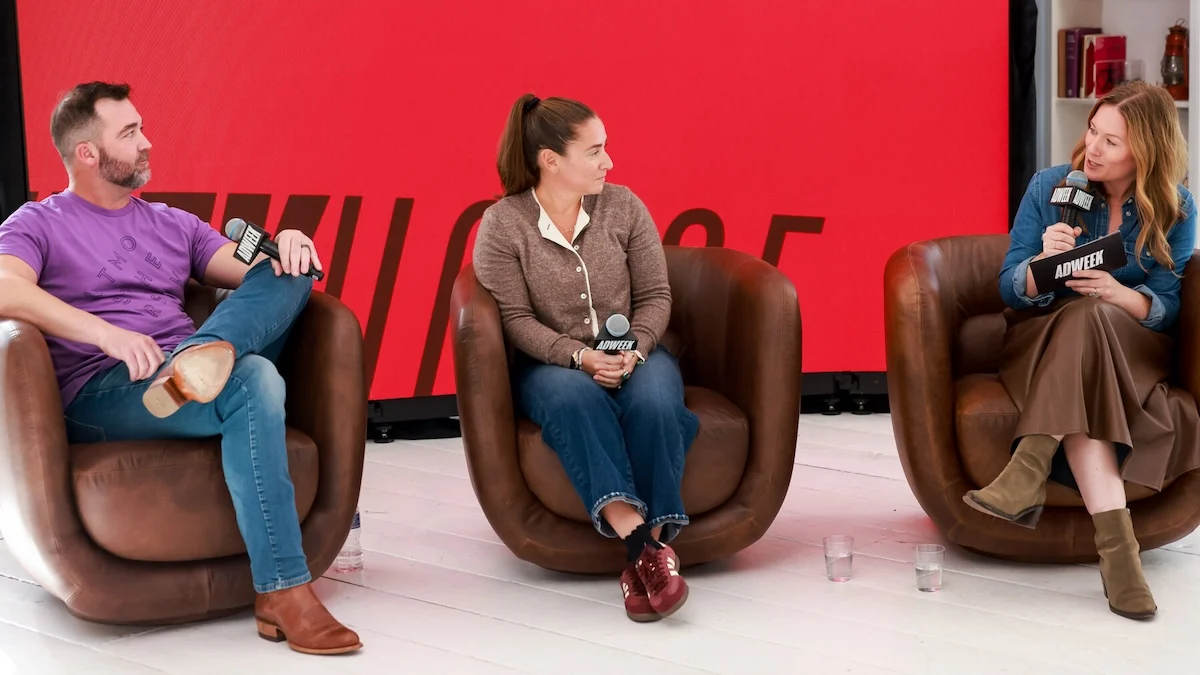
This migration from the digital void to physical communal spaces represents one of the most significant untapped opportunities in modern advertising. During a recent ADWEEK House Advertising HQ panel, industry leaders discussed how brands can pivot from intrusive, hyper-targeted digital ads to authentic, shared experiences that resonate within the vibrant pulse of public environments.
The Evolution of Consumer Mindsets: A Return to the "Third Place"
The post-pandemic world has fundamentally altered how consumers perceive leisure time. The isolation forced upon society during the height of COVID-19 created a newfound appreciation for physical presence. Today, consumers are more intentional than ever about where they spend their time and, crucially, with whom they share it.
"People are far more thoughtful about their time and who they spend it with," noted Blake Sabatinelli, CEO of Atmosphere TV, during the panel discussion moderated by Zoë Ruderman, chief content officer at ADWEEK. "Community experiences matter again. This gives brands a rare opportunity to reach people at the right time, in the right place, and with the right message, in a way that is far less disrupted and significantly more accepted than what you see in traditional digital formats."
This shift requires a total rethink of the marketing funnel. For years, the industry has operated under the assumption that the most valuable impression is one delivered directly to an individual’s personal screen. However, as digital fatigue sets in, the communal screen—located in a gym or a bustling bar—is becoming a beacon of engagement that fosters real-time human connection.
The Emotional Multiplier: Harnessing Real-Time Energy
One of the core arguments for the efficacy of communal advertising is the "emotional multiplier." When an individual views an ad on their smartphone, the emotional baseline is often neutral or distracted. Conversely, when that same individual is part of a crowd watching a live sporting event at a local pub, their emotional state is heightened, infectious, and communal.
"If you think about the mindset you’re in when you’re watching sports, just think about the energy and the feeling that you have," Sabatinelli explained. "If you’re a brand, you want to be associated with that feeling and that energy because it’s bringing a positive, heightened mindset to the table."
By aligning a brand with these peak moments of shared human experience, companies can transcend the standard "interruption" model of advertising. Instead of breaking the flow of content, they become part of the collective experience, lending their identity to the joy, tension, or excitement of the moment.
Overcoming the "Intrusion" Barrier: The Art of Creative Integration
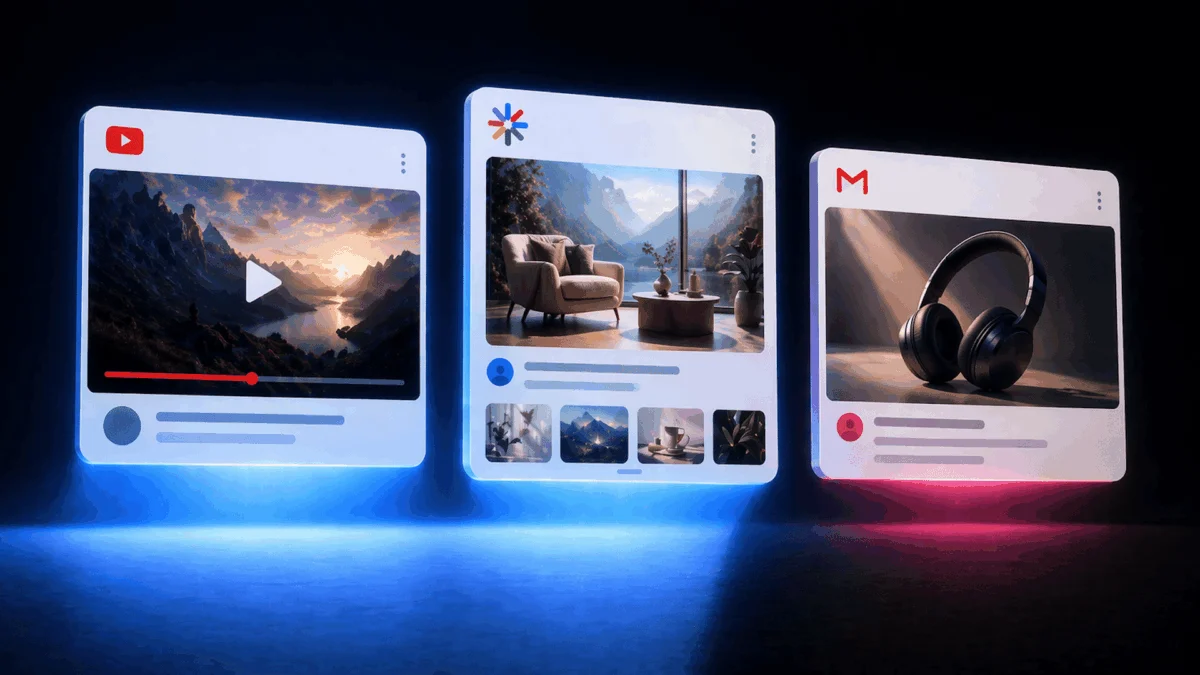
A common pitfall for brands attempting to enter communal spaces is the tendency to replicate traditional digital ads—the "loud", aggressive, or overly disruptive spots that work on YouTube but fail in a physical environment. Lindsay Sutton, SVP and head of marketing for Atmosphere TV, emphasized that the transition requires a high level of creative sensitivity.
"There are nuances in marketing in these spaces," Sutton noted. "Brands must avoid producing campaigns that feel like an intrusion. Our team works as a bridge, asking: ‘What makes sense for this specific moment?’ and building the creative strategy in tandem with the brand."
This collaborative approach often leads to bespoke, "out-of-the-box" marketing solutions that feel native to the location. Rather than forcing a standard 30-second spot, brands are beginning to leverage engineering and data to create interactive experiences. Sabatinelli pointed to a campaign for a financial services partner that tracked real-time data from the Boston Marathon. By integrating live progress updates for runners, the brand transformed from a passive advertiser into a functional, engaging part of the marathon’s communal viewing experience.
Rethinking the Marketing Funnel: From Individual to Collective
The transition to communal advertising requires a fundamental change in how marketers view their target audience. Historically, the "tried and true" platforms—primarily social media and search engines—have prioritized the individual’s path to purchase.
Sutton, who spent years as a creative brand strategist before joining the Atmosphere TV team, candidly admitted that she was once among those who overlooked the value of these public, shared spaces. "We originally weren’t thinking about the communal space as a place where you could get additional value," she confessed. "We always thought about marketing as one person traveling along their journey, versus these much larger, shared moments that we could have been planning for."
This pivot represents a move away from the "one-to-one" obsession toward a "one-to-many" strategy that thrives on social proof. When an audience experiences a brand message collectively, the message becomes a topic of conversation. The environment itself acts as a third-party validator, lending legitimacy to the brand in a way that an algorithmically served ad never could.
The Saturation Crisis: Why It’s Time to Look Beyond Google and Meta
Perhaps the most compelling argument for diversifying into communal spaces is the reality of the current digital advertising market. As Sabatinelli highlighted, the major digital ecosystems—specifically Meta and Google—have reached a point of extreme saturation. For many brands, the cost of customer acquisition on these platforms has skyrocketed while organic reach has plummeted.
"Marketers need to think about the media ecosystems that exist outside of Meta and Google," Sabatinelli warned. "We’ve reached a point of saturation on those platforms, especially when it comes to acquisition. At a certain point, you’re going to have to find another modality to reach people."
The "modality" of the future is not found in the palm of a hand, but in the environments where people choose to congregate. By diversifying their spend, brands can escape the bidding wars of the major ad exchanges and reach audiences in environments where attention is less fragmented and more deliberate.
Future Implications: The Hybrid Marketing Era
The future of brand strategy will likely be defined by a hybrid approach—blending the surgical precision of digital data with the emotional resonance of communal, physical spaces.
As technology continues to advance, the ability to tailor communal content to specific locations and demographics will only improve. Brands that learn to master this space today will find themselves with a significant competitive advantage. They will not only be reaching people; they will be integrating themselves into the cultural moments that define our daily lives.
The message for CMOs and marketing directors is clear: The "solitary" era of advertising was a necessary stage of our digital evolution, but it was never the end-game. As consumers return to the public sphere with renewed vigor, the brands that meet them there—with empathy, creativity, and a respect for the shared experience—will be the ones that foster the most lasting connections.
In a world of infinite scrolling, the most valuable piece of real estate is no longer a pixel on a screen. It is the room where people are together, laughing, cheering, and looking at the same screen at the same time. That is where the future of marketing lives.