By Crystal Bell
October 11, 2026
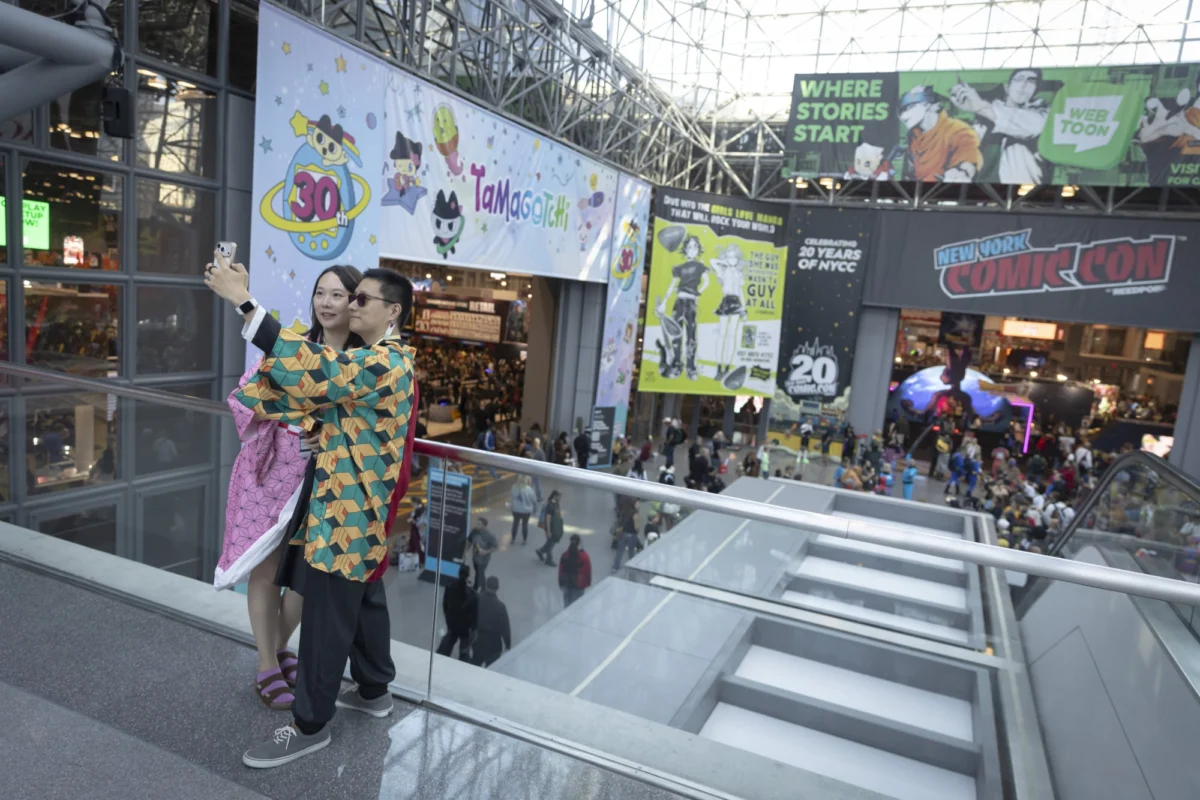
The Javits Center in New York City has long been a pilgrimage site for fans of comic books, cinema, and gaming. But if you walk the floor of New York Comic Con (NYCC) today, you will notice a fundamental shift in the landscape. While the smell of pretzels and the sight of elaborate, gravity-defying cosplay remain, the floor itself has begun to function less like a traditional trade show and more like a sprawling, multi-acre production studio.
From dedicated creator lounges equipped with high-speed fiber internet to architectural installations specifically designed to be "TikTok-ready," NYCC is no longer just hosting fans; it is facilitating a massive, real-time content engine. As the line between the spectator and the creator dissolves, organizers are reimagining the convention experience to serve the digital-first era.
The Evolution of the Convention Floor
For decades, the convention floor was a linear experience: you walked the aisles, visited booths, bought collectibles, and went home. Today, the "content loop" is the primary objective.
Organizers have become acutely aware that the value of an event is no longer confined to the physical attendance numbers; it is measured by the aggregate reach of the content generated within its walls. At this year’s 20th-anniversary celebration, the shift is visible in the design of the Crystal Palace. Banners celebrating franchises ranging from The Apothecary Diaries to YAGA were intentionally designed with lower-hanging, aesthetically curated focal points. These aren’t just ads; they are backdrops.

"We are very conscious that everything we create now is a shareable moment," says Fallon Prinzivalli, NYCC’s marketing director. By designing spaces with the smartphone lens in mind, the convention ensures that its brand identity is propagated across thousands of individual feeds, effectively turning every attendee into a volunteer member of the marketing department.
A Chronology of the Shift: From Pandemic Pivot to Creator Hub
The formal integration of content creators into the fabric of NYCC did not happen overnight. It was a tactical evolution catalyzed by the global pandemic.
- 2021 (The Catalyst): As live events tentatively returned, the team at NYCC realized that the traditional press model was insufficient for the new media landscape. They hired two prominent creators to take over the official TikTok account. The results were staggering: over four days, the experiment reached 8 million people—a figure that dwarfed traditional media metrics.
- 2022–2024 (The Formalization): Recognizing the power of these digital influencers, NYCC moved to formalize the relationship. They replaced the "spray and pray" approach of relying on general press passes with a dedicated creator badge program.
- 2025–2026 (The Infrastructure Phase): This year marked the "studio" era. NYCC introduced a dedicated creator lounge—a sanctuary of Wi-Fi, charging stations, and lighting rigs. This moved the needle from merely inviting creators to empowering them to produce high-quality work on-site.
Supporting Data: The Creator Economy at Work
The demand for this infrastructure is immense. While the convention does not release exact figures, applications for creator badges reached capacity in August, totaling thousands of requests.
The threshold for entry is high—typically requiring a combined following of at least 200,000 across platforms—but the convention remains flexible. "We look for originality, impact, and community," Prinzivalli explains. The result is a curated cohort of creators who act as a hybrid of journalist, entertainer, and fan.
For creators like Kallen Zborovsky-Fenster (@king_kallen), the lounge is not just a perk; it is a necessity for professional survival. "I spend weeks preparing," Zborovsky-Fenster says. "I treat this as a high-priority production. I’m doing interviews, managing gear, and editing on the fly."

For others, like TikTok creator Dominique Little (@nojill), who boasts 1.8 million followers, the lounge serves a different function: it acts as a central nervous system for networking. In a crowd of thousands, the lounge provides a rare, predictable node where creators can find collaborators, trade tips on gear, and coordinate group content—effectively streamlining the "influencer experience" into a professional workflow.
Official Perspectives: The Blurring of Roles
The most significant tension in this shift is the erosion of the boundary between the "reporter" and the "creator."
Brandon Bullock, known as the Anime News Guy, exemplifies this new archetype. He conducts interviews, reports on breaking industry news, and hosts livestreams, yet he operates through the lens of a personal brand rather than an established news outlet.
"I identify as a reporter," Bullock says, even as he works within the creator program. This perspective is backed by the convention organizers. Prinzivalli notes that creators are now frequently treated as celebrities, with fans stopping them for photos and autographs just as they would a headline actor or voice artist.
The convention has even integrated these voices into their official output. This year’s official livestream featured a rotating cast of hosts that included both seasoned industry journalists and digital-native creators like Brandon Davis. This hybrid approach ensures that the convention’s voice is multifaceted, appealing to both the traditional enthusiast and the digital nomad.

Implications: The Circularity of Fandom
What does this mean for the future of live events? The implications are three-fold:
1. The Death of the "Passive" Attendee
The event is no longer designed for people to simply watch; it is designed for people to participate in the content creation cycle. Every attendee is now a potential broadcaster. By catering to creators, NYCC ensures that its content—the "vibe" of the event—is constantly being refreshed and broadcast to millions who aren’t even in the building.
2. The Professionalization of Passion
The creator lounge is a sign that the hobbyist era of social media is ending. When conventions provide tripods, high-speed internet, and production spaces, they are acknowledging that these individuals are small, nimble media companies. This creates a symbiotic relationship: the convention gains reach, and the creators gain the credibility and logistical support needed to scale their work.
3. A New Social Fabric
Perhaps the most profound implication is how this changes the social nature of fandom. For many, fandom is a solitary, digital experience conducted through comments and group chats. The modern convention serves as a physical point of convergence for these digital relationships. "The mutuals become friends," as the saying goes. By facilitating this, NYCC is essentially hosting a massive, high-production reunion for the internet.
Conclusion
As the 2026 New York Comic Con winds down, the evidence of this shift is clear. The Javits Center has become a giant, living breathing studio. The barriers between the stage, the floor, and the feed have vanished.

For the organizers, the strategy is clear: don’t fight the screen; embrace it. By building an environment where the "content" is just as important as the "comic," NYCC has secured its relevance for the next twenty years. The convention is no longer just a place to see your favorite stars; it is a place to become one. In the age of the creator economy, the most valuable thing you can bring to Comic Con isn’t just your cosplay—it’s your camera.