By Ross Johnson
October 22, 2026
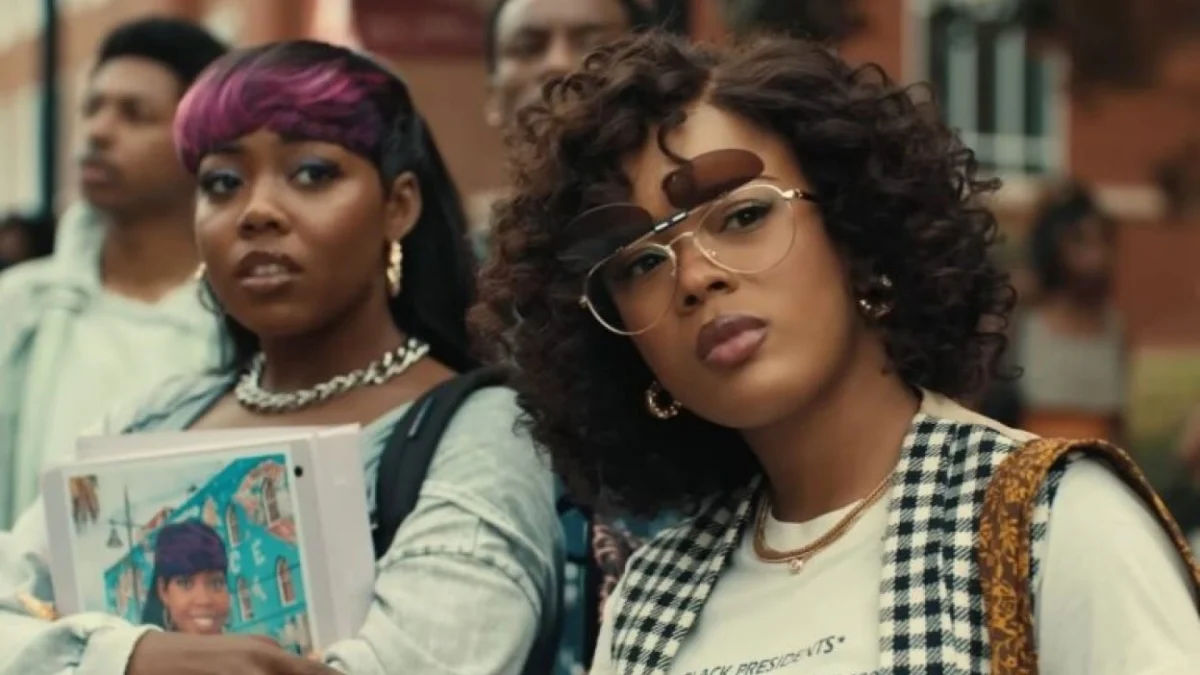
The landscape of television has shifted dramatically since the 1980s, but the enduring legacy of A Different World remains an anomaly in the history of the sitcom. Originally a spin-off of The Cosby Show, the series evolved from a standard fish-out-of-water comedy into a groundbreaking cultural artifact that captured the Black academic experience with nuance, heart, and a biting social conscience.
In 2026, the series is once again dominating conversations. Spearheaded by Queen Sugar executive producer Felicia Pride, the modern update has become a critical and ratings juggernaut for Netflix. Its rapid renewal for a second season proves that audiences are not just nostalgic for the Hillman College experience—they are hungry for stories that mirror the specific intersection of intellectual ambition and the messy realities of growing up.
The Evolution of the Academic Sitcom
The original run of A Different World (1987–1993) represents a pivotal moment in television history. Following the arrival of Debbie Allen as the show’s creative force after its first season, the series abandoned the broad comedy tropes of the era in favor of serialized storytelling that tackled HIV/AIDS, date rape, racial profiling, and the South African apartheid movement.
By grounding these heavy topics in the lives of relatable characters like Whitley Gilbert, Dwayne Wayne, and Freddie Brooks, the show achieved the "rarest prize of all": it became a series that mattered. In the modern era, the updated iteration has managed to bridge the gap between that legacy and current sensibilities, proving that the template of the "campus dramedy" remains one of the most effective vehicles for exploring the transition into adulthood.
Chronology: From Hillman to the Streaming Era
The journey of the college drama is a story of adaptation. While the late 80s were dominated by the traditional multi-cam sitcom format, the 2010s and 2020s saw a shift toward high-concept, serialized streaming dramas.
- 1987–1993: The original A Different World sets the gold standard, proving that HBCUs are fertile ground for narrative depth.
- 2017–2021: Dear White People moves the conversation to a fictional Ivy League setting, utilizing a sharp, satirical edge to critique modern campus politics.
- 2018–2026: Grown-ish and All American dominate the landscape, focusing on the high-stakes intersection of athletic pressure, academic burnout, and the allure of celebrity culture.
- 2021–2025: The Sex Lives of College Girls brings a raunchy, character-driven focus on female friendship and queer identity.
- 2026: The revival of A Different World confirms that viewers are circling back to stories of institutional excellence and cultural identity.
Supporting Data: Why We Love the Campus Drama
Why do we return to these settings? The college experience is a universally understood "liminal space." It is the moment in a human life where you are officially an adult, yet entirely unequipped for the realities of the world.

Data from streaming platforms indicates that "Coming-of-Age" and "Academic Dramedy" are among the most stable genres in terms of audience retention. Shows that balance humor with heavy, life-altering drama—like The Sex Lives of College Girls—frequently see higher completion rates than standard procedurals. The appeal lies in the ensemble cast. Unlike a solo-hero narrative, the college drama relies on the "roommate dynamic," where disparate personalities are forced to navigate communal living, creating natural, high-stakes friction.
Examining the New Guard: What to Watch Now
If you are currently waiting for the next season of the A Different World revival, the following shows capture that same lightning in a bottle:
The Realist Perspective: Grown-ish (2018–2024)
Following Zoey Johnson (Yara Shahidi), Grown-ish excels because it allows its characters to fail. The series treats the college transition as a minefield of big mistakes, ego, and growth. It is perhaps the closest spiritual successor to the A Different World ethos in terms of showcasing the stakes of academic failure.
The Satirical Lens: Dear White People (2017–2021)
Adapted from the 2014 film, this show tackles the "ivory tower" experience. While it focuses on an elite institution, it provides a necessary counter-balance to the typical college drama by directly addressing the contradictions of student activism and the absurdity of campus politics.
The Friendship Focus: The Sex Lives of College Girls (2021–2025)
Created by Mindy Kaling and Justin Noble, this show highlights that the true "major" in college is often social dynamics. It is less concerned with exams and more concerned with identity, queerness, and the profound, life-defining bond of female friendship.
The Global Perspective: Boarders (2024–2026)
This British import adds a layer of class commentary to the mix. By placing five scholarship students in a prestigious boarding school, it explores the idea of "integration" as a PR stunt, blending dry, sharp British humor with genuine coming-of-age pathos.
The Dramatic Reimagining: Bel-Air (2022–2025)
For those who want the premise of a 90s classic stripped of its sitcom light, Bel-Air serves as a stark, gritty drama. It proves that the "fish out of water" trope is timeless, provided the stakes are updated to reflect contemporary fears and societal pressures.

The Comedic Individual: Overcompensating (2025–Present)
Benito Skinner’s buzzy comedy is a masterclass in tone. It explores the freshman year experience through the eyes of a former jock attempting to rewrite his own identity. It is raunchy, self-aware, and deeply vulnerable—a perfect example of the modern "smart comedy."
Implications for Future Storytelling
The success of these shows suggests a broader implication for the television industry: viewers are tired of the "dark, gritty prestige drama" that dominated the early 2020s. There is a renewed appetite for shows that celebrate community, even when that community is flawed.
The revival of A Different World is not merely a nostalgia play; it is a signal that audiences want to see institutions—specifically HBCUs—represented as vibrant, complex hubs of intellectual and social development. The future of the genre lies in this intersection: maintaining the lighthearted, episodic nature of a sitcom while retaining the permission to get serious about the state of the world.
As we look toward the 2027 television season, the "college drama" is no longer a niche subgenre. It is the primary way we process the anxieties of the young adult experience. Whether it’s in a dorm room in Vermont or on the campus of a historic HBCU, the story remains the same: we are all just trying to figure out who we are, one semester at a time.
Ross Johnson is a freelance writer covering television, film, and literature. He is the producer of the ‘Swan Songs’ film podcast and hosts ‘The Sound of Tomorrow’ in Rochester, New York.