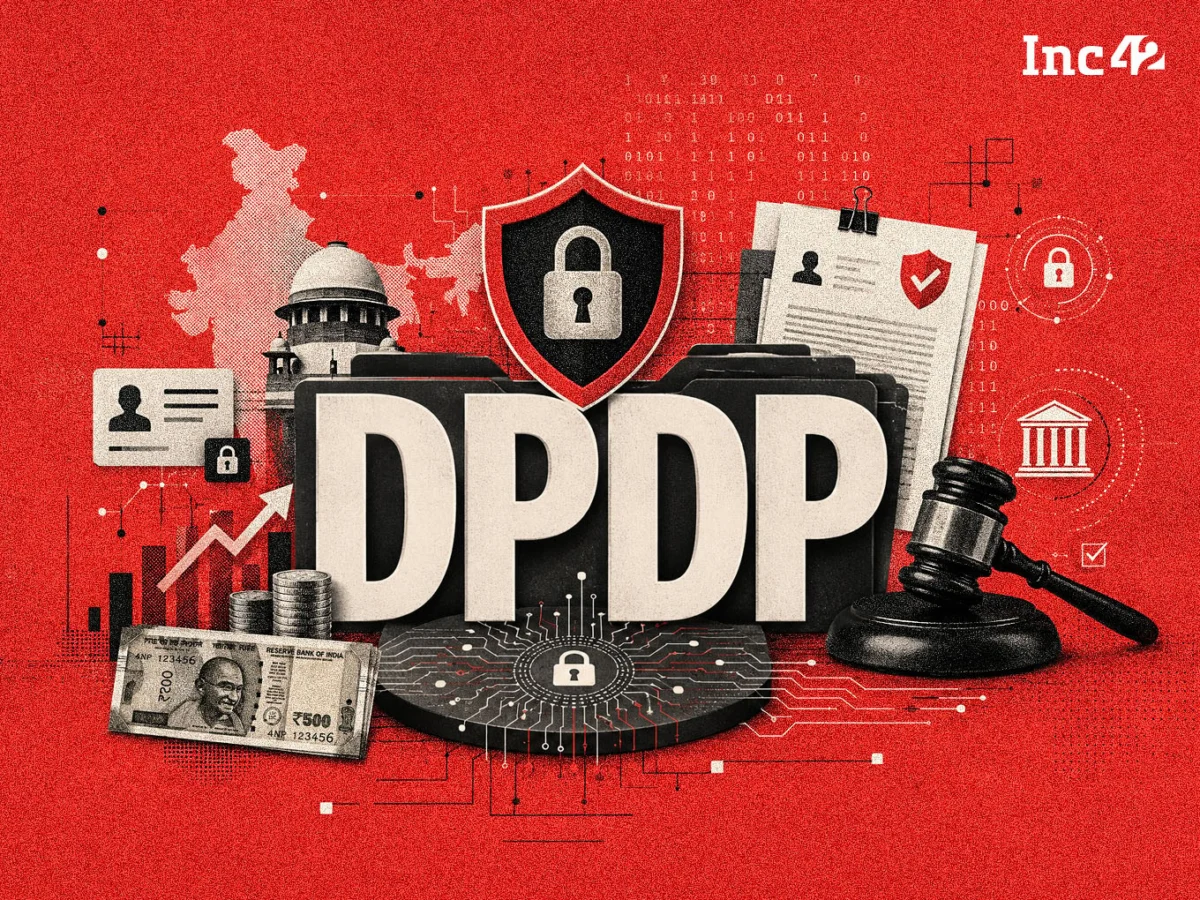
In a landmark legal confrontation that pits the digital privacy rights of citizens against the fundamental tenets of a free press, a coalition of 21 prominent Indian news publishers has moved the Supreme Court of India. The petitioners, organized under the banner of the Digital News Publishers Association (DNPA), are seeking to strike down key provisions of the Digital Personal Data Protection (DPDP) Act, 2023, arguing that the law—as currently drafted—poses an existential threat to investigative journalism.
The lawsuit, filed on October 6, marks one of the most significant challenges to India’s evolving digital regulatory landscape. At the heart of the dispute is the contention that the DPDP Act fails to provide adequate exemptions for news organizations, effectively granting the state broad surveillance powers while shackling the media’s ability to hold power to account.
The Core Conflict: Privacy vs. Public Interest
The DPDP Act, which was enacted in August 2023, aims to regulate how organizations collect, process, and store the digital personal data of Indian citizens. While the primary objective is to safeguard privacy, the DNPA argues that the legislative framework lacks the necessary nuance to distinguish between commercial data mining and the public-interest-driven reportage that defines a functioning democracy.
The DNPA, which counts media giants like Network18 (owned by Mukesh Ambani), NDTV (owned by Gautam Adani), The Indian Express, and the Times of India Group among its members, has highlighted three specific pillars of the law that they claim could paralyze the news industry:
1. The Consent Mandate
Under the current framework, organizations are generally required to obtain explicit consent before processing personal data. The petitioners argue that applying this standard to journalism is fundamentally flawed. In the context of investigative reporting—such as exposing corruption, financial fraud, or electoral malpractice—journalists often process data without the subject’s permission. If forced to seek consent, reporters fear that subjects would be alerted to investigations, enabling them to destroy evidence, intimidate whistleblowers, or escape accountability.
2. The Right to Erasure
The Act empowers individuals to request the deletion or "erasure" of their personal data. The DNPA warns that without a robust public-interest carve-out, this provision could be weaponized by powerful individuals or entities to force news outlets to purge factual, archived reports from their websites. This, they argue, would lead to a "sanitized" version of history, effectively eroding the public record.
3. State Access and Confidentiality
Perhaps most alarmingly, the publishers have flagged provisions that grant the government the power to demand information from data fiduciaries. The DNPA posits that these powers could be utilized to unmask confidential journalistic sources, effectively chilling the flow of information from whistleblowers who rely on the promise of anonymity to expose wrongdoing.
A Chronology of the DPDP Framework
The friction between the state and the media has been building for years as India moved to formalize its data protection regime.
- August 2023: The Digital Personal Data Protection Act is formally enacted, setting the stage for a comprehensive overhaul of data governance in India.
- November 2025: The Centre notifies the Digital Personal Data Protection Rules, 2025. These rules provide the operational mechanics of the Act, including the implementation framework that allows organizations 18 months to achieve full compliance.
- October 6, 2026: The DNPA files its petition in the Supreme Court, challenging the constitutional validity of the aforementioned provisions.
- October 27, 2026: The Supreme Court is scheduled to hold its first substantive hearing on the matter.
- May 2027: The date by which most provisions of the DPDP Act and the associated Rules are set to take full legal effect, creating an urgent deadline for the court to resolve the conflict.
Supporting Data: The High Stakes of Compliance
The financial and operational implications of the DPDP Act are significant. The law is not merely a set of guidelines; it is a rigid regulatory framework backed by heavy penalties.
- Financial Penalties: For failure to implement reasonable security safeguards, the Act stipulates fines of up to ₹250 Cr per instance.
- Children’s Data: Violations regarding the handling of children’s personal data can attract penalties of up to ₹200 Cr.
- The 18-Month Window: The government has provided a phased implementation timeline, giving organizations 18 months from the notification of the Rules to audit their systems, appoint Data Protection Officers, and realign their workflows with the new requirements.
For media houses, the burden is not just financial but structural. Compliance requires a radical shift in how newsrooms store interview notes, video footage, and financial records. The DNPA’s petition emphasizes that while tech giants and corporate entities can adapt to these costs, the lack of a specific journalistic exemption places an undue burden on the media, effectively taxing the cost of free speech.
Official Responses and Perspectives
While the government has remained largely quiet on the specific legal arguments raised by the DNPA, its overarching position has been consistent: the DPDP Act is a citizen-centric law designed to end the era of unchecked data harvesting.
Government spokespersons have previously stated that the framework is balanced and provides the necessary security for the digital economy. The official line maintains that the Act contains sufficient safeguards to protect the privacy of individuals, which is a fundamental right.
However, legal experts and civil society groups have begun to weigh in on the side of the media. Many argue that international best practices—such as the GDPR in Europe—include explicit "journalistic derogations." These are specific legal exemptions that allow news organizations to process data without standard consent requirements, provided the reporting is in the public interest. The absence of such a provision in the Indian Act is being viewed by many constitutional lawyers as a significant drafting oversight that risks inviting judicial intervention.
Implications: The Future of Investigative Journalism
The outcome of the Supreme Court proceedings will have far-reaching consequences for India’s democratic health.
The "Chilling Effect"
If the Supreme Court upholds the current provisions, the primary risk is a "chilling effect." Reporters may shy away from sensitive investigations for fear of being sued or penalized under the DPDP Act. When the threat of a ₹250 Cr fine looms over a story, risk-averse legal departments within news organizations may choose to spike reports, leading to a decline in investigative rigor.
The Erosion of Transparency
The power of the state to access data held by publishers—coupled with the right of subjects to demand the erasure of their past—creates a scenario where information can be strategically buried. If a politician or corporate entity can legally demand the "erasure" of a past scandal from a news archive, the public’s ability to hold them accountable in the future is significantly diminished.
The Path Forward
As the October 27 hearing approaches, the legal community is bracing for a complex debate. The court will likely have to balance two competing constitutional rights: the Right to Privacy (as established in the Puttaswamy judgment) and the Freedom of the Press (as protected under Article 19(1)(a) of the Constitution).
The DNPA is not asking for the law to be scrapped in its entirety, but rather for a reading down of the provisions that apply to journalistic activity. The association is pushing for a "public interest" carve-out that would exempt newsrooms from the most restrictive requirements of the Act.
Whether the Supreme Court decides to stay the implementation of the law until these protections are integrated, or whether it mandates the government to draft supplementary rules for the press, remains the central question. For now, the case stands as a litmus test for how India intends to manage the tension between individual privacy and the collective need for an informed, skeptical, and free media.
As the May 2027 deadline looms, the eyes of both the digital policy community and the newsroom editors remain fixed on the Supreme Court. The ruling will not only determine the future of digital compliance in India but will define the boundaries of what is, and is not, permissible in the pursuit of truth.