In the digital economy, the ability to command attention is the single most valuable skill an entrepreneur can possess. For many, the path to a seven-figure income is paved with code or complex logistics, but for some of the web’s most successful marketers, the secret lies in the humble written word. Whether it is a blog post, a targeted social media thread, or an email sequence, high-conversion copywriting serves as the engine for customer acquisition.
Becoming a great copywriter, however, is rarely about linguistic eloquence or flowery prose. In fact, those who focus on "writing better" often miss the point. Elite copywriters are defined by one metric: their ability to convert readers into customers. If your words don’t drive revenue, they are merely decoration. This report outlines the ten essential principles for evolving from a writer into a revenue-generating copywriter.

1. The Anatomy of Connection: Talk to Customers
The primary mission of a copywriter is to act as a bridge between a prospect’s problem and a business’s solution. To do this, you must first bridge the gap between your own understanding and the lived reality of the customer.
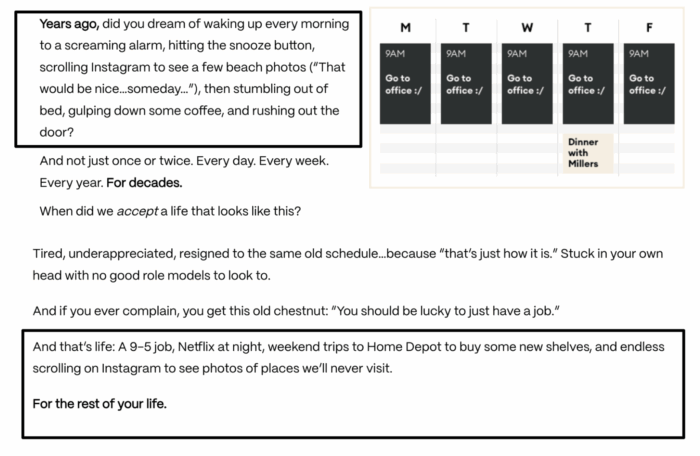
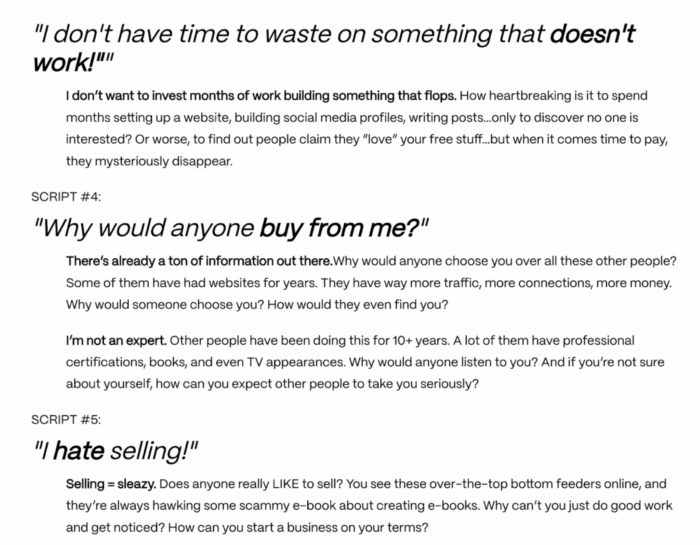
Great copy doesn’t sell; it mirrors. When a potential customer reads your work, they should feel as though you have peeked into their diary. Consider the work of marketers like Ramit Sethi, whose landing pages famously eschew generic promises of wealth in favor of specific, visceral descriptions of the reader’s current life—the dead-end 9-to-5, the mindless late-night Netflix scrolling, and the cycle of professional stagnation. By articulating their pain points better than they can themselves, you build immediate trust.
Tactical Research:
- Sales Call Mining: If you are working for a client, don’t guess—ask. Speak with their sales team to identify the most common objections and pain points.
- AI Synthesis: If transcripts are available, feed them into an AI model to extract recurring themes, hesitations, and the specific vocabulary your prospects use.
- Community Deep Dives: Reddit and Facebook groups are gold mines of raw, unfiltered feedback. By analyzing these threads, you can learn the exact tone, lexicon, and frustrations of your target demographic.
2. Competitive Intelligence: Learning from the Market
You do not need to reinvent the wheel. Your competitors have likely spent thousands of dollars testing what works. By auditing their existing strategies, you can bypass the "trial and error" phase.
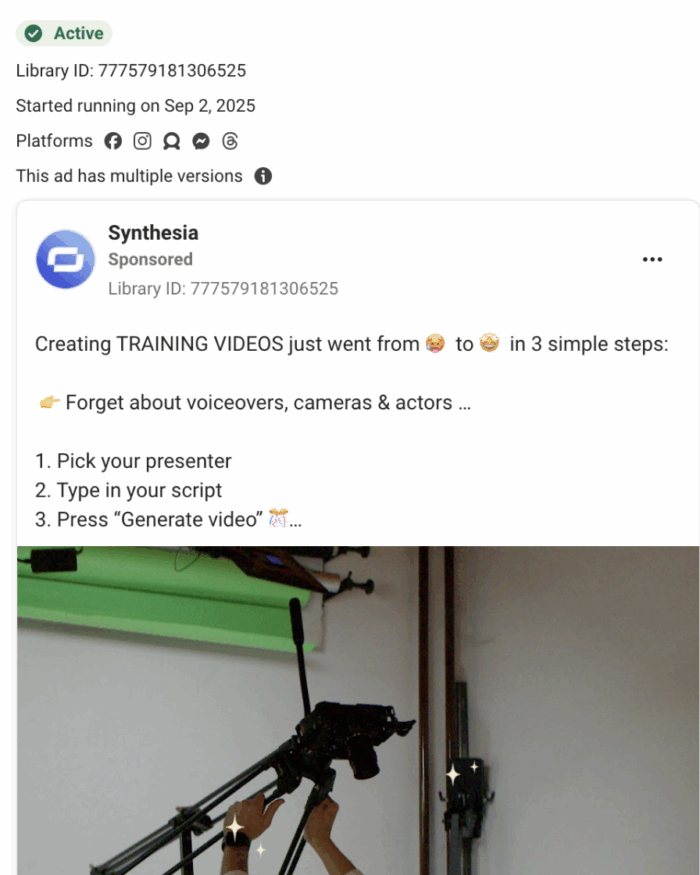
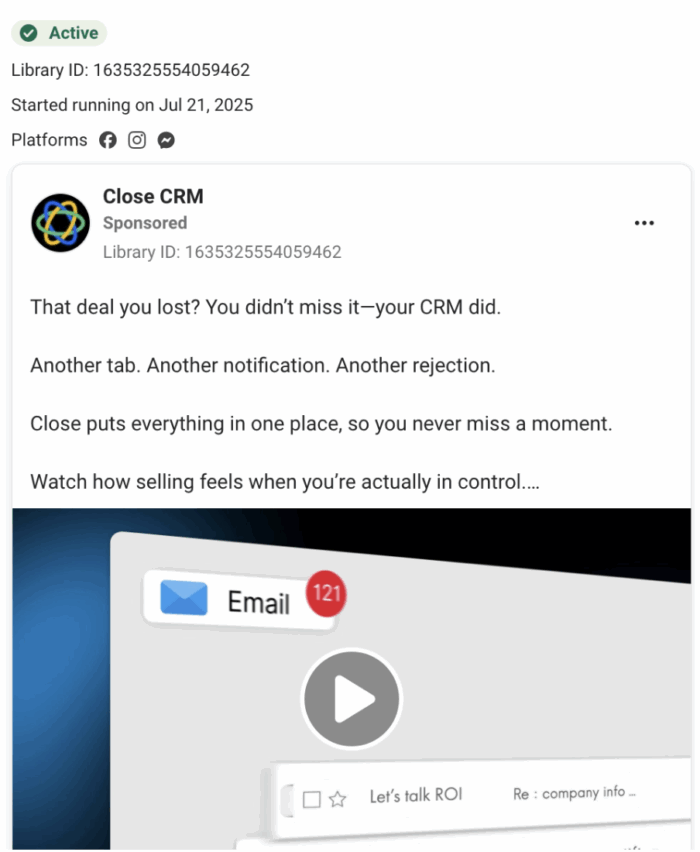
The most efficient way to do this is by leveraging the Facebook and LinkedIn Ad Libraries. Look for ads that have been running for the longest duration. In the world of paid media, longevity equals profitability. If a brand has kept an ad live for months, it is likely converting at a high rate. Analyze the hook, the pain point, and the Call to Action (CTA). This data allows you to identify what is resonating with the market right now.
3. The Power of the Swipe File
Every world-class copywriter maintains a "swipe file"—a curated collection of headlines, sales letters, and ad copy that has successfully captured their attention.

Creating your own file is essential, but it is also helpful to consult established repositories like SwipeFile.com. By studying what veteran copywriters admire, you train your eye to distinguish between "clever" copy and "effective" copy. The goal is not to plagiarize, but to reverse-engineer the psychological triggers that made the original content successful.
4. Establishing a Disciplined Writing Process
Writer’s block is often a symptom of a lack of process. If you approach every project as a blank slate, you will inevitably struggle. A repeatable framework ensures that every piece of copy you produce contains the necessary elements to drive a conversion:

- Objective Definition: What is the one specific action the reader should take after reading?
- Pain Point Mapping: What current problem is keeping the reader awake at night?
- The Solution Introduction: How does the product or service alleviate that specific pain?
- Objection Handling: What reasons will they give themselves not to buy, and how can you preemptively answer them?
- The Clear CTA: Tell them exactly what to do next.
5. The "Practice" Imperative: Build in Public
The only way to sharpen your craft is through continuous output. However, "writing more" is insufficient if it isn’t directed. The best practice is to write for your own projects. Whether you are building a small affiliate site, launching a dropshipping store, or growing a personal brand on LinkedIn, the act of selling your own work provides an immediate feedback loop.
When you see the data—the clicks, the conversions, the sales—you learn the difference between "traffic" and "intent." This is a lesson that cannot be learned in a classroom.

6. Embracing AI as a Strategic Partner
AI is not a replacement for the human copywriter; it is a force multiplier. When used correctly, it functions as a research assistant and a sounding board.
- Pain Point Research: Use AI to aggregate common problems within a specific niche.
- Clarification: If a sentence feels clunky, ask AI to rewrite it for clarity.
- Fact-Checking and Quotes: Use AI to find industry experts or credible data sources that bolster your arguments.
The key is that you retain control of the strategy and the ideation. The AI handles the heavy lifting of synthesis, leaving you to craft the final narrative.

7. Master One Platform
The internet is vast, but you cannot be an expert in everything. Different platforms require different cadences. LinkedIn rewards thought leadership and nuanced, professional insight. Blogs require deep, actionable "how-to" content that satisfies search intent.
By specializing in one platform, you learn the hidden mechanics of its algorithm. This expertise is a value-add that justifies higher rates; you aren’t just selling words—you are selling reach and authority within a specific ecosystem.
8. Measuring ROI: Moving Beyond "Likes"
In the early stages of a career, copywriters often obsess over engagement metrics like likes and shares. However, revenue is the only metric that matters to a business owner.
- LinkedIn/Twitter: Focus on the quality of your commenters. Are they your target customers? Are they people who can actually buy what you are selling?
- Blog Content: Set up conversion tracking. If a piece of content brings in 10,000 students but zero B2B enterprise leads, it is failing the business.
- Sales Funnels: Track conversion rates at every step. If the landing page is converting, but the email follow-up is not, you know exactly where your copy needs to be improved.
9. The Necessity of Community
Writing is a solitary act, but building a career is a team sport. Feedback is the shortcut to mastery. However, ensure the feedback you receive is high-quality. Taking technical advice from a novice is as dangerous as taking health advice from a stranger.
Seek out communities where you can engage with seasoned professionals. Platforms like Copyblogger Academy were built to bridge this gap, offering a space where entrepreneurs and writers can receive direct, expert-led feedback. Having a mentor or a community to review your work can shave years off your learning curve.
10. Patience with Results, Impatience with Action
As the investor Naval Ravikant famously advised, you must be "impatient with action and patient with results." You should be writing, testing, and iterating every single day, but you must realize that success is a compounding game. It takes time for the market to trust your voice and for your content to gain traction.

Consistency is the ultimate differentiator. If you continue to refine your process, study the data, and provide genuine value to your readers, the financial results will eventually follow.
Final Implications
The landscape of content marketing is shifting. As AI-generated content floods the internet, the value of human insight, deep empathy, and strategic, data-backed writing has never been higher. Those who master the art of conversion-focused copywriting are not just writers; they are the architects of modern commerce. Whether you are looking to scale a business or start a career as a freelance copywriter, the principles remain the same: understand the human, solve the problem, and measure the result.