As we navigate the latter half of 2026, the artificial intelligence landscape is no longer defined by simple chatbot experimentation. We have moved firmly into an era of "Agentic AI"—systems that do not just provide information but execute complex, multi-step tasks across disparate platforms. For marketers, creators, and business leaders, the challenge has shifted from learning how to prompt to learning how to orchestrate systems that remain resilient amidst rapid technological change.
The Convergence of Creativity and Efficiency
For the modern marketer, the burden of "wearing every hat" is increasingly heavy. Strategy, analytics, content creation, and graphic design often compete for the same limited hours in a day. However, new workflows are emerging that allow professionals to bridge the gap between AI generation and professional execution.
One of the most significant shifts is the integration of generative AI into the print design process. Rather than viewing AI as a replacement for graphic designers, top-tier marketers are using tools like ChatGPT as an art director. By treating the AI as a junior designer—providing detailed briefs, brand guidelines, and specific print requirements—users can generate functional drafts that serve as the foundation for final assets.
The workflow has become remarkably refined:
- The AI Brief: Uploading brand guidelines and content to ChatGPT to generate a layout concept.
- Art Direction: Using iterative editing tools to remove backgrounds or adjust layout elements directly within the chat interface.
- Professional Finalization: Exporting the draft into platforms like Canva, utilizing "Magic Layers" to break the composition into editable, professional-grade elements.
This methodology represents a democratization of design, allowing small teams to produce professional-quality collateral without the overhead of a traditional agency workflow.
AI Video Production: The End of the "Film Crew" Era
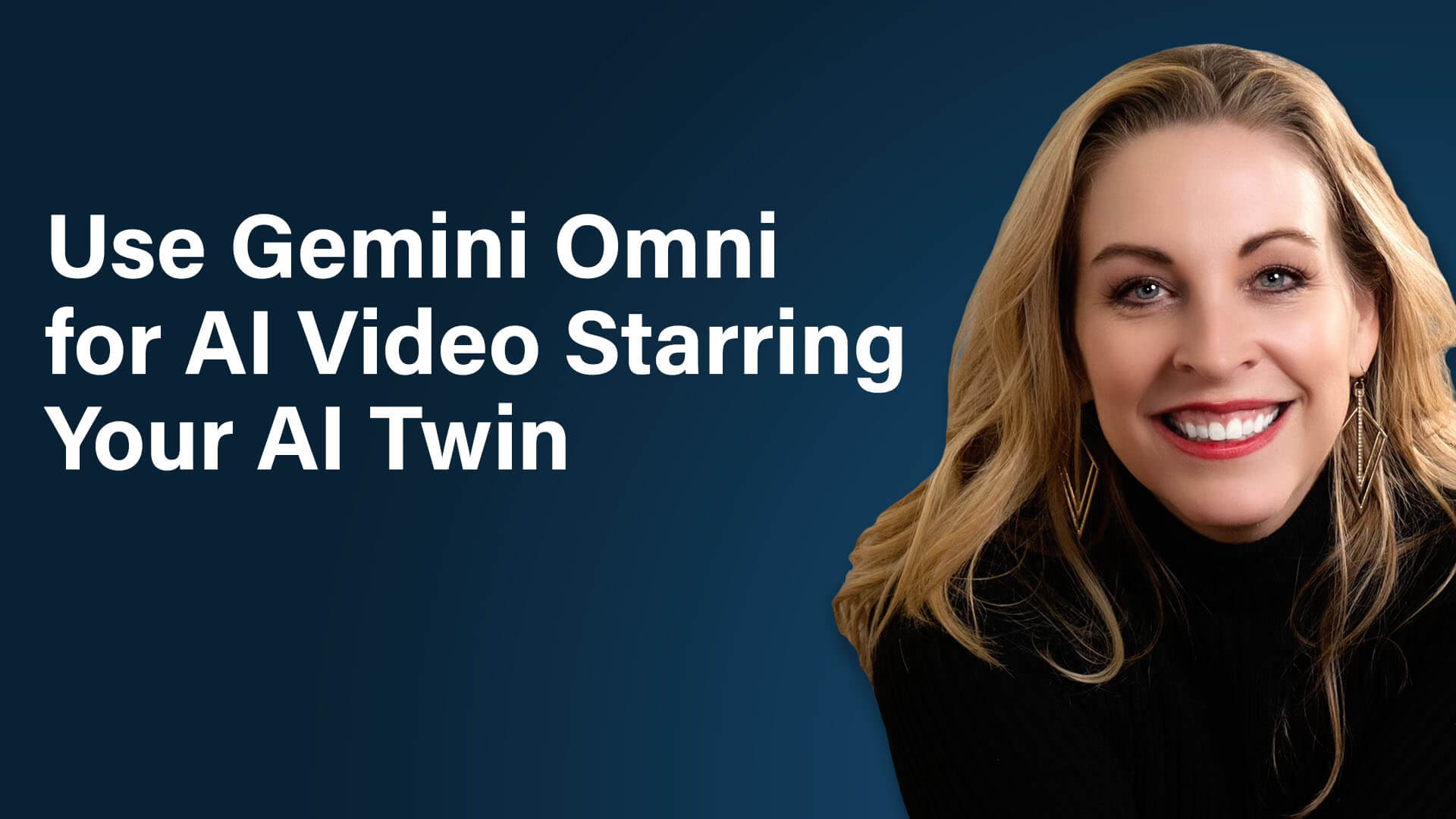
Video remains the most potent medium for engagement, but the traditional barriers—cost, time, and technical skill—have been formidable. The arrival of Google’s Gemini Omni has effectively dismantled these barriers, enabling users to create professional-grade video content with nothing more than natural language instructions.
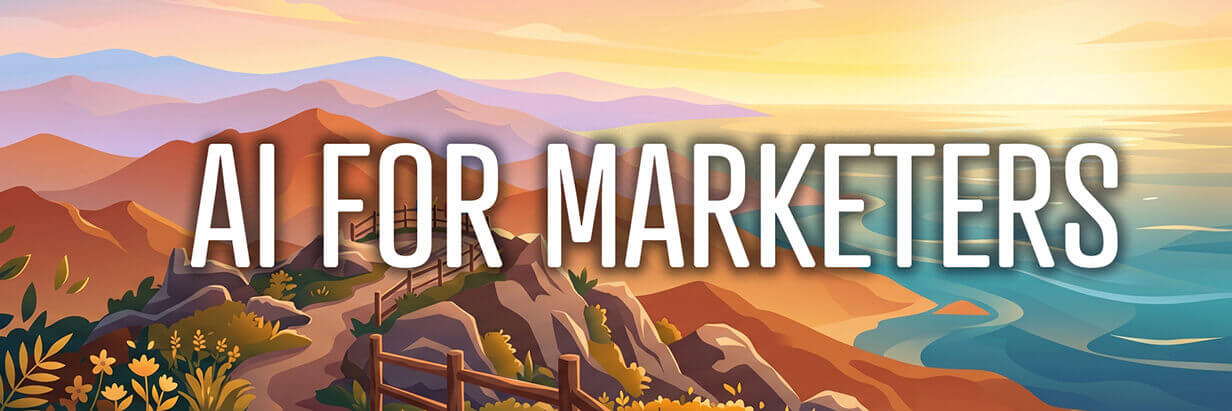
Strategy experts like Eve Whitaker are now teaching businesses how to bypass the need for expensive production crews. The core pillars of this new video era include:
- Realistic AI Twins: Creating avatars that replicate a user’s likeness and voice. The key challenge here is avoiding the "uncanny valley" by steering clear of common recording mistakes that force AI to "fill in the blanks" with inaccurate details.
- Director-Level Prompting: Moving beyond generic prompts, creators are learning to specify camera angles, lighting, and movement, applying the principles of television direction to AI-generated assets.
- Seamless Editing: The ability to alter backgrounds, seasons, or even the presenter’s outfit in pre-recorded footage allows for significant creative agility without the need for costly reshoots.
Chronology of the 2026 AI Surge: A Week of Breakthroughs
The industry is moving at a breakneck pace. To understand the current climate, one must look at the flurry of releases from the major AI labs over the past week alone:
- Anthropic’s Efficiency Play: The launch of Claude Sonnet 5.5 marks a shift toward optimization. By generating responses 30% faster while using fewer tokens, Anthropic is clearly targeting high-volume enterprise workflows.
- Google’s Visual Leap: The introduction of Gemini 3.8 Live with Live Avatar signals the arrival of interactive, humanoid enterprise agents capable of handling complex, multi-language tasks in real-time.
- OpenAI’s DevDay Expansion: At DevDay 2026, OpenAI moved to cement its position as the backbone of the developer ecosystem. By launching "always-on" agents and a marketplace for plugins, the company is positioning ChatGPT as an OS for business operations.
- OpenAI’s Price War: With the introduction of the Sol and Luna models, OpenAI has slashed API costs by 50%, effectively making high-level intelligence accessible for scaled, automated applications.
Implications for Workflow Portability
A common fear among AI adopters is "platform lock-in." What happens when a tool goes down? What happens when a subscription cost spikes?
Industry expert Nicole Leffer recently demonstrated the necessity of "portable systems." During a live event, when her primary tool (Claude) experienced an outage, she seamlessly migrated her session to ChatGPT, picking up the workflow exactly where she left off. This serves as a vital lesson: Tools will change, but your systems should not.
Developing a workflow that is platform-agnostic—relying on prompt libraries and logic flows rather than proprietary features—is now a critical competitive advantage. Organizations that build their internal AI processes with this "portability" mindset are significantly more resilient than those that tie their entire operation to a single vendor.
Supporting Data: Why Integration Matters
The move toward "Connected Apps" is perhaps the most practical evolution of 2026. Google’s expansion of Gemini integrations with platforms like Airtable, Linear, and monday.com demonstrates the industry’s focus on eliminating "context switching."
Data suggests that professionals lose up to 20% of their productivity simply moving information between tools. By allowing Gemini to interact directly with project management, CRM, and design platforms, the AI acts as the connective tissue of the enterprise. This integration allows for:
- Automated Project Organization: AI agents that categorize tasks based on project briefs.
- Visual Design Sync: Creating assets in one window and automatically updating them across web platforms like Webflow or Squarespace.
- Audio-Visual Consistency: Using Gemini 3.8 Flash TTS for custom, brand-consistent voiceovers that are generated in sync with video assets.
The Future of Work: A Human-Centric Approach
Despite the rapid automation of technical tasks, the human element remains the final arbiter of quality. The most successful practitioners are not those who let the AI do everything, but those who curate the output with a critical eye.
As noted by Michael Stelzner, founder of the AI Business Society, the current market is flooded with tools and headlines. The danger lies in "guessing which parts actually matter." The practitioners who thrive are those who step away from the noise to focus on hands-on implementation.

Key Takeaways for the Professional
- Prioritize Workflow, Not Tools: Build your internal processes to be transferable. If one model goes down, your system should move to another within seconds.
- Master the "AI Art Director" Role: Stop looking at AI as a magic button; start looking at it as an employee. Give it clear constraints, brand guidelines, and iterative feedback.
- Adopt Multimodal Workflows: The era of text-only AI is over. Today’s professionals must be comfortable blending audio, visual, and analytical agents into a single cohesive project.
- Demand Compliance and Consent: As voice replication and avatar creation become standard, ensure your operations are built on a foundation of verified consent and clear AI-content attribution.
Conclusion: Staying Ahead of the Curve
The pace of 2026 is relentless, but the trajectory is clear: AI is evolving from a novelty into a foundational infrastructure for business. Whether you are designing print materials, producing high-end video, or managing complex enterprise software workflows, the goal remains the same: using technology to amplify, not replace, human intent.
As we look toward the future, the winners will not necessarily be those with the most powerful AI, but those with the most efficient systems for deploying it. By focusing on workflow portability, professional-grade prompting, and seamless platform integration, organizations can ensure that they remain at the forefront of this digital transformation, rather than being swept away by it.
Michael Stelzner is the founder of Social Media Examiner and a leading voice in the AI integration space. Through the AI Business Society, he continues to provide the training and resources necessary for professionals to navigate the complexities of the modern digital landscape.