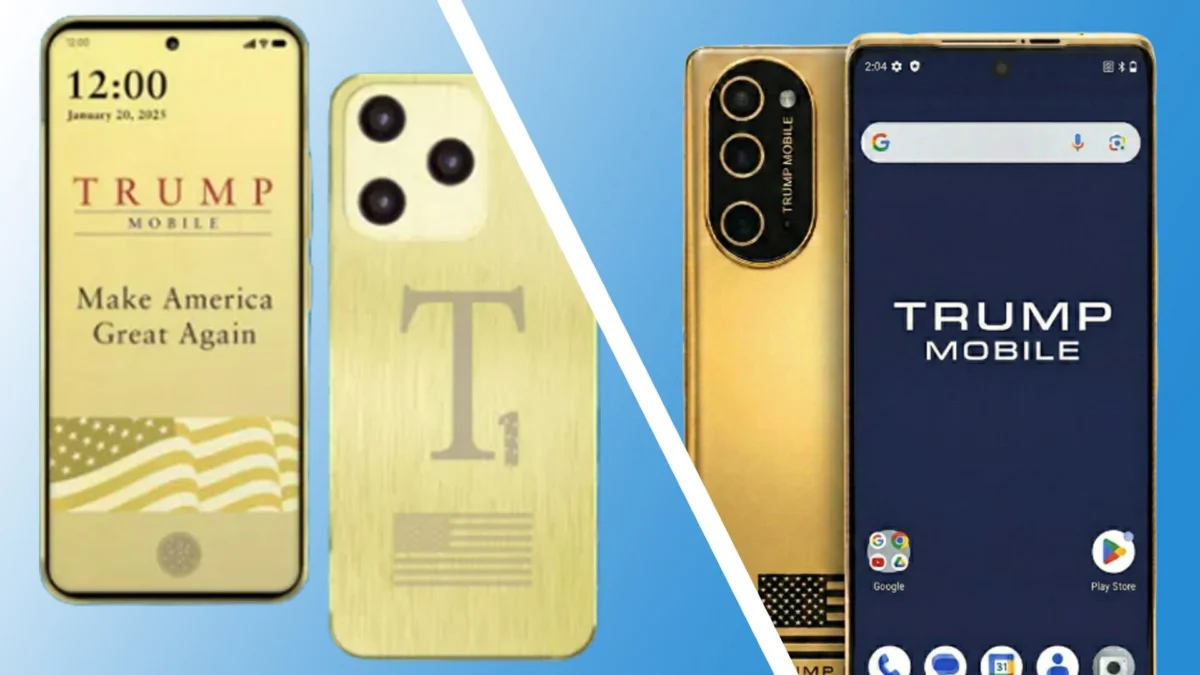
In a mounting series of operational and security challenges, Trump Mobile—the high-profile, gold-branded wireless venture—is facing its most significant crisis to date. A newly identified cybercrime syndicate, referring to itself as "BYOD," has claimed responsibility for stealing and publishing the private personal data of over 3,600 customers. This latest security failure casts further doubt on the stability and professional oversight of the carrier, which has already struggled to deliver on its promise to "revolutionize" the mobile industry.
The Breach: What Was Stolen?
The data dump, which appeared on a dark web forum in late September 2026, contains highly sensitive information. According to reports from Straight Arrow News, which first verified the breach, the leaked dataset includes:
- Full legal names
- Personal email addresses
- Primary phone numbers
- Residential home addresses
- Detailed order history and account status information
While the breach is significant, security analysts have noted a small but critical "silver lining": there is currently no evidence that credit card numbers or financial payment data were included in the leak. However, the information that was exposed is more than sufficient for sophisticated phishing campaigns. By utilizing home addresses and order histories, malicious actors can easily pose as official representatives from Trump Mobile or delivery services, creating a high-risk environment for social engineering attacks against the affected user base.
A Chronology of Instability
The story of Trump Mobile has been one of repeated delays, shifting promises, and increasing public scrutiny since its inception in June 2025.
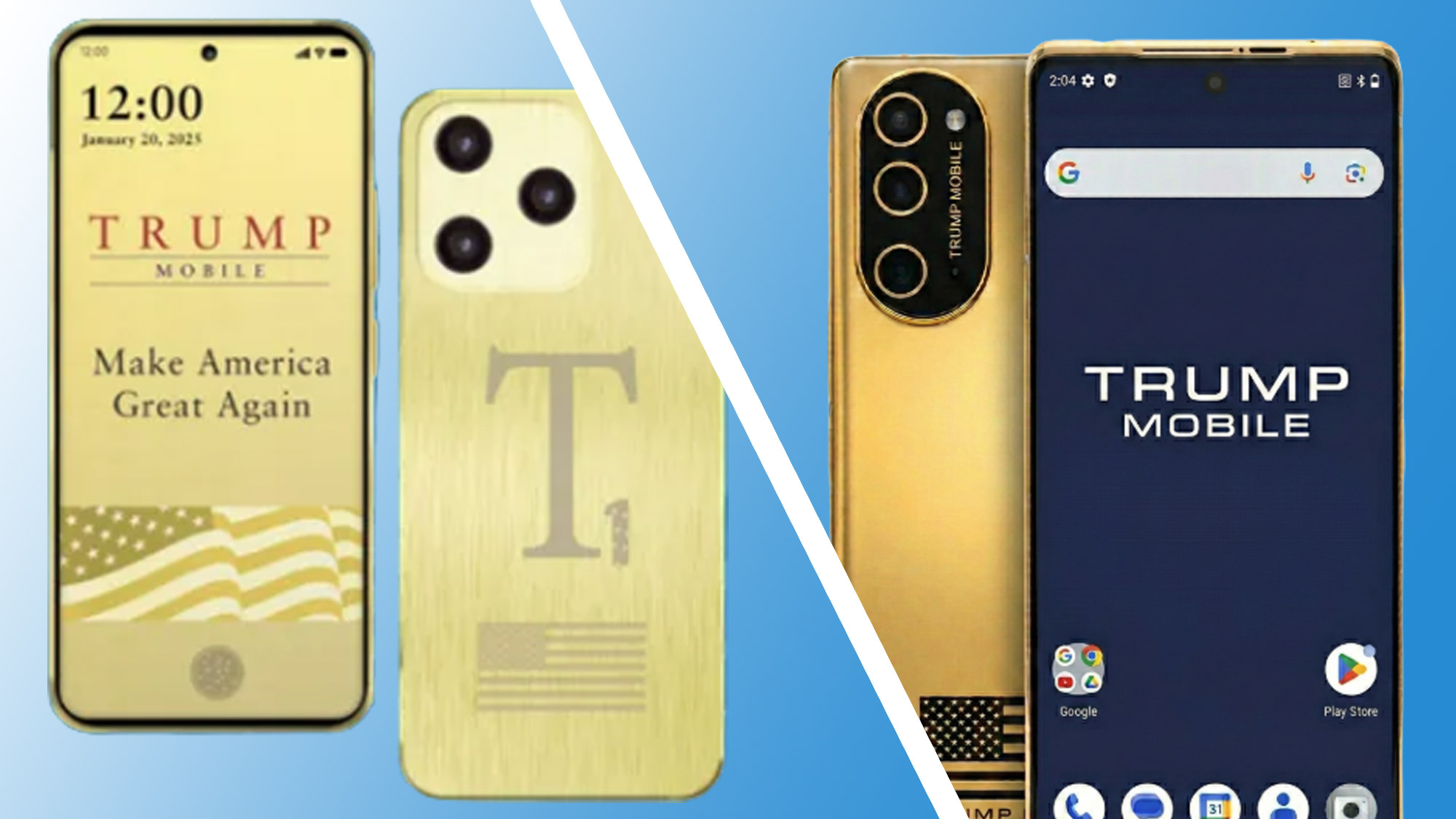
June 2025: The service launches with significant fanfare. Eric Trump markets the venture as a disruptive force in the telecommunications sector, centered around the luxury, gold-colored "T1" smartphone.
Summer 2025 – Early 2026: The brand’s "Made in America" marketing promise is quietly scrubbed from the official website within two weeks of launch. What followed was a cascade of logistical failures: shipping dates were repeatedly pushed back, moving from August 2025 to December, then March, and finally April 2026.
April 2026: Faced with growing consumer frustration and potential legal exposure, the company updated its terms of service to clarify that "a deposit is not a purchase," a move that angered thousands of pre-order customers who had paid a $100 deposit nearly a year prior.
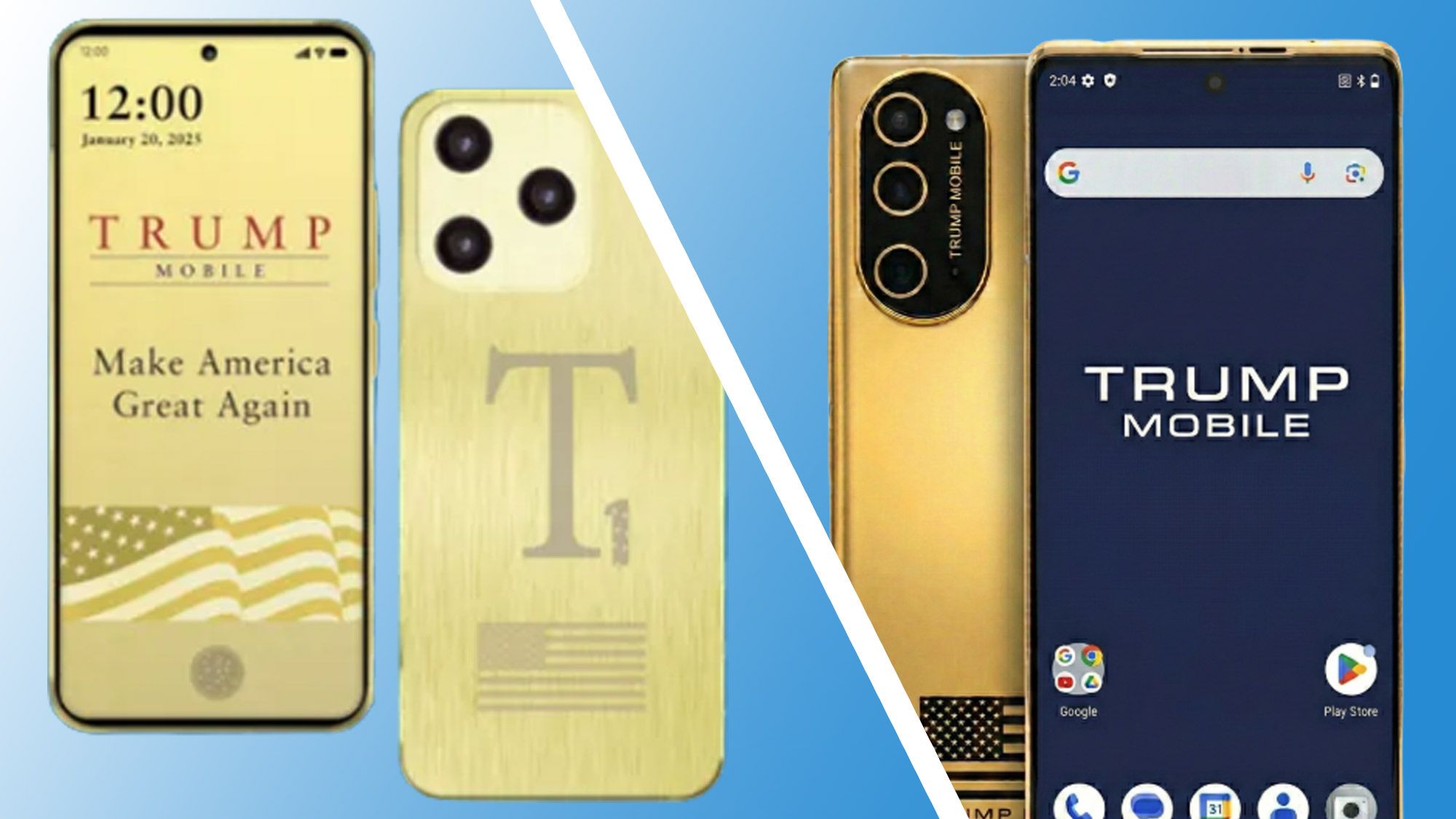
May 2026: The company suffered its first widely reported data breach. In that instance, management reportedly hesitated for weeks, debating whether or not to notify the affected customers—a pattern of communication that has seemingly persisted into the current incident.
September 2026: The BYOD group strikes. On September 23, a separate group named "EndZone" claimed to have exfiltrated data on 4,000 users. By September 29, the BYOD leak surfaced. Security researchers have suggested that these two incidents may stem from the same initial vulnerability, pointing to a systemic failure in the company’s digital perimeter.
The Anatomy of the Attack: How BYOD Gained Access
The narrative provided by the BYOD group, while not independently verified by law enforcement, points to a lack of basic cybersecurity hygiene. According to details shared with International Cyber Digest and Cybernews, the attackers gained their initial foothold by compromising a Liberty Mobile employee—the Florida-based operator providing the network infrastructure—via an infostealer.
Once inside the corporate network, the hackers reportedly utilized a remote access trojan (RAT) to escalate their privileges. Their findings were damning: the group claimed that Trump Mobile maintained exposed subdomains and failed to implement multi-factor authentication (MFA) across critical infrastructure. As evidence, the group provided a dashboard screenshot to investigators, demonstrating live access to customer records.
Official Responses and Corporate Silence
Perhaps as concerning as the breach itself is the reaction—or lack thereof—from the parties involved. Trump Mobile has maintained a policy of near-total silence regarding the incident.
When contacted by The Register and other investigative outlets, representatives for both the Trump Organization and Liberty Mobile failed to provide a comment. Furthermore, anecdotal evidence from those who have attempted to reach the company regarding the breach suggests a lack of infrastructure for crisis management. According to claims from the BYOD group, when they attempted to confront the company about their security failures, they were met with dismissive rhetoric, with the company allegedly branding the hackers as "terrorists" rather than addressing the underlying security vulnerabilities.
This "no-comment" strategy aligns with the company’s previous behavior during the May 2026 breach. By refusing to acknowledge the severity of the situation, the company is leaving its customer base vulnerable to ongoing threats without providing the necessary guidance on how to secure their accounts or monitor for identity theft.
Implications for Customers and the Market
The fallout from this breach extends beyond the immediate risk of phishing. For the 3,615 customers identified in the leak, the breach serves as a final straw in an already fraught consumer experience.
1. Increased Phishing Risks
Because the hackers have access to order histories, they can craft highly convincing emails or SMS messages. A customer who has been waiting months for their gold T1 smartphone is a prime target for a fake "your order has been delayed, click here to update your shipping information" message.
2. The Credibility Gap
The repeated failure to secure customer data, combined with the shifting shipping dates and the reclassification of deposits, has led to intense scrutiny from regulators. In January 2026, federal lawmakers formally urged the Federal Trade Commission (FTC) to investigate the brand’s marketing practices. The recent breach provides further fuel for these investigations, as the failure to protect customer data may violate basic consumer protection standards.
3. A Warning to Future Users
Industry analysts point to this incident as a case study in the dangers of brand-focused technology launches that lack the backing of established, security-conscious infrastructure. The reliance on third-party operators like Liberty Mobile, combined with what appears to be a lack of internal cybersecurity oversight, has created a "perfect storm" for data loss.
Conclusion: A "Revolutionary" Failure?
When Eric Trump launched the service, he boldly proclaimed that Trump Mobile would "revolutionize cell phones." However, the reality of the past 16 months has been defined by administrative drift and a profound disregard for the data privacy of its subscribers.
For those who have already provided their data to the company, the situation is critical. Cybersecurity experts strongly recommend that all Trump Mobile customers immediately change their passwords, enable MFA on any accounts that share the same credentials, and remain hyper-vigilant against unsolicited communications.
As of October 2026, the company continues to operate in a shroud of secrecy. With no public acknowledgement of the breach and no clear path forward for those still waiting for their devices, the "gold-colored" promise of Trump Mobile has become synonymous with a gold-standard failure in data protection. The question now remains whether federal authorities will step in to provide the accountability that the company has thus far failed to provide for its own customers.