SAN FRANCISCO — In a move that signals a tectonic shift in the landscape of personal computing, Microsoft and Nvidia have unveiled a formidable new alliance aimed at dethroning Apple’s dominance in the high-end professional market. At a landmark event in San Francisco this Wednesday, the two tech giants introduced a new category of Windows-powered laptops centered around Nvidia’s revolutionary RTX Spark chipset.
The announcement marks a pivot away from cloud-dependent artificial intelligence toward "Local AI," providing developers and creators with the raw computational power required to run massive AI workloads directly on their desks. Headlined by the Surface Laptop Ultra and the Surface RTX Spark Dev Box, this new hardware generation promises to bridge the gap between portable devices and data-center-grade performance.
Main Facts: A New Architecture for a New Era
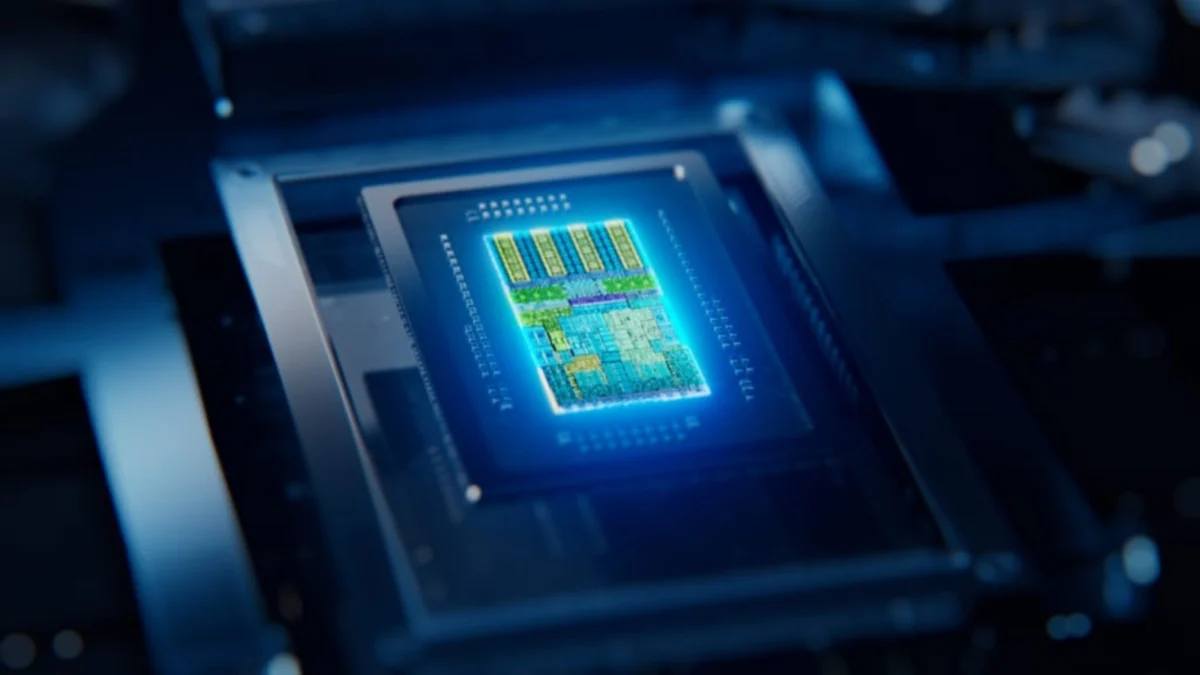
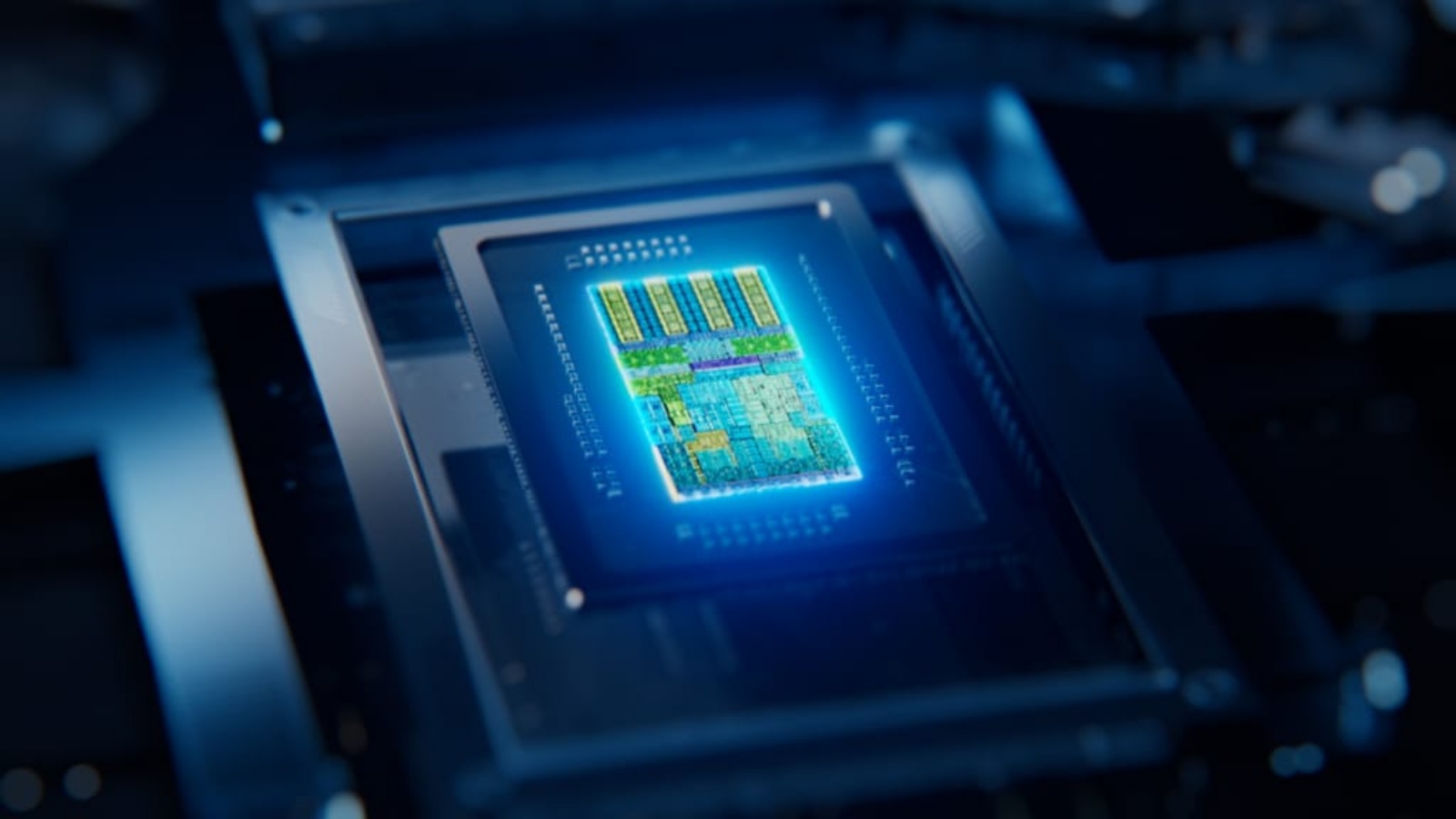
The collaboration between Microsoft and Nvidia is not merely a hardware refresh; it represents a fundamental re-engineering of how a PC operates. The centerpiece of this launch is the RTX Spark, a "superchip" that unifies CPU and GPU architectures with high-speed unified memory—a direct challenge to Apple’s silicon strategy.
Key Highlights of the Launch:
- The RTX Spark Chipset: A unified architecture designed to handle gaming, professional workstations, and supercomputing tasks on a single piece of silicon.
- Surface Laptop Ultra: A 15-inch premium flagship starting at $2,599, featuring up to 128 GB of unified memory and the brightest peak HDR display ever seen on a laptop.
- Surface RTX Spark Dev Box: A specialized powerhouse for "hardcore" developers, priced at $5,999.
- Performance Leaps: Benchmarks suggest the RTX Spark outperforms Apple’s M5 Pro by up to 6.2 times in video generation and 4.3 times in image generation.
- Ecosystem Support: Major OEMs, including Asus, Dell, Lenovo, HP, and MSI, are set to release their own RTX Spark-powered machines on October 16.
Chronology: The San Francisco Unveiling
The event began with a rare joint appearance by three of the most influential figures in modern technology: Microsoft CEO Satya Nadella, Nvidia CEO Jensen Huang, and Microsoft’s Head of Windows and Devices, Pavan Davuluri.
The presentation opened with a retrospective on the engineering hurdles required to bring the RTX Spark to life. Huang revealed that the project was a multi-year endeavor, involving thousands of engineers from both companies. The narrative then shifted to the hardware itself, with Davuluri taking the stage to reveal the Surface Laptop Ultra.
The climax of the event featured live demonstrations of the hardware’s capabilities. Instead of pre-rendered videos, the team showed the Surface Laptop Ultra handling real-time workflows in Blender, Photoshop, and Unreal Engine. The most striking moment occurred when the device ran GitHub Copilot alongside a live session of Gears of War: E-Day, maintaining a steady 60 frames per second—a feat previously reserved for high-end desktop rigs.
The event concluded with a deep dive into the software layer, specifically how Windows 11 has been rebuilt to accommodate "Hybrid Intelligence," followed by the announcement of the October 16 ship date.
Supporting Data: Benchmarking the RTX Spark
Microsoft and Nvidia provided extensive data to justify their claim that the PC has been "reinvented." By moving to a unified memory architecture similar to Apple’s, but leveraging Nvidia’s specialized AI cores, the RTX Spark achieves performance metrics that suggest a generational leap over current competitors.
Performance Comparisons (RTX Spark vs. Apple M5 Pro):
- Time to First Token (LLM processing): 2.1x faster.
- Image Generation (Stable Diffusion/ComfyUI): 4.3x faster.
- Video Generation (Sora-level workloads): 6.2x faster.
Hardware Specifications:
The Surface Laptop Ultra features a 15-inch display that Davuluri described as having the "brightest peak HDR" in the industry. Perhaps more importantly for professionals, the device supports up to 128 GB of unified memory, allowing it to load massive AI models that would normally require a server cluster.
A notable hardware addition is "Magnetic Connect," a standardized magnetic USB-C charging solution. While clearly inspired by Apple’s MagSafe, Microsoft’s version utilizes a standardized port, aiming for a balance between proprietary convenience and industry-wide compatibility.
Official Responses: "Reinventing the Personal Computer"
The rhetoric from the stage was nothing short of revolutionary. Jensen Huang was particularly vocal about the scale of the achievement, emphasizing the sheer human effort required to unify disparate computing architectures.
"It took more than 4,000 engineering years. This is a massive project. We have reinvented the personal computer," Huang stated. "For the first time, we took all the capabilities that used to be in a gaming laptop, a workstation, a supercomputer or the cloud, unified the architecture and made it run on one superchip."
Satya Nadella framed the launch as the birth of a "frontier ecosystem." He described a future where the PC is no longer just a window into the cloud, but an autonomous "agent" capable of independent thought and action. This vision is centered on three pillars: Agent 365, Microsoft IQ, and Copilot.
Pavan Davuluri focused on the practicalities for the end-user, positioning Windows 11 as the "most secure platform for AI agents." He highlighted the "built-in containment" features of the new OS, ensuring that while AI agents have deep access to user files, they remain within a secure, local sandbox.
Software Innovations: Windows 11 and Hybrid Intelligence
The hardware launch was accompanied by a significant update to Windows 11, designed specifically to leverage the RTX Spark’s NPU (Neural Processing Unit) and GPU cores.
The Rise of Hybrid Intelligence
Microsoft’s new "Hybrid Intelligence" model addresses the cost and privacy concerns of cloud AI. Under this system, Windows 11 will prioritize running AI tasks locally.
- Local Processing: Routine tasks, file searches, and basic content generation are handled by the RTX Spark chip. This "saves tokens" and ensures user data never leaves the device.
- Cloud Escalation: Copilot will only tap into Microsoft’s Azure cloud for "difficult AI tasks" that exceed the local chip’s capacity.
Local AI Agents
Beyond Microsoft’s own Copilot, the new Windows environment will host a variety of third-party AI agents that run entirely locally. These include:
- Hermes Agent & OpenClaw: For advanced coding and logic.
- Perplexity: For local, real-time information synthesis.
- Facebook Muse: For local creative and social media generation.
Davuluri demonstrated these capabilities by using natural language to change system settings, arrange windows, and take screenshots—all processed on-device without an internet connection.
Implications: The Future of the PC Market
The partnership between Microsoft and Nvidia carries profound implications for the technology industry at large. For years, Apple has held a perceived lead in the "pro" creator space due to the efficiency and unified memory of its M-series chips. The RTX Spark is a direct, aggressive response to that lead.
1. The End of Cloud Monoliths
By enabling "Local AI," Microsoft is reducing the friction of AI adoption. Users no longer need to worry about subscription costs for every AI interaction or the latency of sending data to a remote server. This could democratize high-end AI development, allowing smaller firms to build and test models on consumer-grade hardware.
2. A Challenge to Apple’s Creative Crown
With 128 GB of unified memory and specialized Nvidia cores, the Surface Laptop Ultra is positioned as the ultimate machine for 3D rendering and LLM training. The specific mention of 6.2x faster video generation is a clear shot across the bow of the MacBook Pro, which has long been the preferred choice for video editors.
3. The Gaming-Workstation Convergence
The demo of Gears of War: E-Day at 60 FPS on a "workstation" laptop highlights the blurring lines between gaming and professional productivity. By integrating gaming-grade power into a premium 15-inch form factor, Microsoft is catering to a demographic that needs both a high-end creative tool and a high-performance entertainment device.
4. Strategic OEM Partnerships
By including Asus, Dell, Lenovo, HP, and MSI in the launch, Microsoft is ensuring that the "RTX Spark" becomes a standard rather than a niche product. This broad-based ecosystem approach is something Apple cannot replicate, as it remains the sole manufacturer of its hardware.
Conclusion
The launch of the RTX Spark class of laptops represents more than just a new product line; it is a declaration of intent. Microsoft and Nvidia have combined their respective strengths—software ecosystem and silicon prowess—to create a platform that treats AI as a local utility rather than a cloud-based luxury.
As the first units ship on October 16, the tech world will be watching closely to see if the Surface Laptop Ultra can truly deliver on its promise of "supercomputer" performance in a 15-inch frame. If these performance benchmarks hold true in real-world usage, the era of the cloud-dependent AI PC may be coming to a swift end, replaced by a new generation of "Hybrid" machines that are as powerful as they are portable.