As the digital marketing landscape accelerates into 2026, the intersection of human creativity and artificial intelligence has become the primary battleground for brands. From Meta’s aggressive push into enterprise-grade AI tools to Reddit’s defensive maneuvers against data scraping, the industry is undergoing a structural transformation. This report synthesizes the latest platform updates, strategic insights, and tactical advice from industry leaders to help marketers navigate this shifting terrain.
1. The Strategic Core: Mastering Customer-Centric Marketing
At the heart of every successful campaign—regardless of the platform—is a deep, empirical understanding of the customer. In an era where AI can generate content in seconds, the differentiator remains the "human truth" extracted from real-world interactions.
The Survey-to-Script Pipeline
Marketing experts, including Nick Theriot, have emphasized that the most effective ad hooks are not invented; they are discovered. The process begins with structured customer surveys. By analyzing raw responses, marketers can identify the specific "pain-point language" used by their target audience.
Tactical Implementation:

- Mine the Data: Look for recurring phrases that describe the "before" state (frustration) and the "after" state (desire).
- The Reddit Intelligence Method: Use Google search operators such as
site:reddit.com [pain point]to uncover organic, unfiltered discussions. Reddit threads offer a goldmine of relatable scenarios and "aha!" moments that can be directly transposed into high-performing ad scripts.
The Power of Precise Copywriting
Even in short-form video, the difference between a high-converting hook and a scroll-past is often a single word. As Shannon McKinstrie notes, shifting from passive language to visualization-based language—for example, changing "Moving" to "Relocating to Nashville"—drastically alters the viewer’s psychological engagement. Precision in vocabulary helps the audience picture the outcome, which is the cornerstone of effective storytelling.
2. Platform Chronicles: Major Industry Updates (Q3–Q4 2026)
The last few months have seen a flurry of activity as platforms attempt to consolidate their power and monetize their AI stacks.

Meta’s Ecosystem Expansion
- Forum by Facebook: Meta has launched "Forum," a standalone application dedicated to Facebook Groups. This move seeks to reinvigorate community participation by streamlining discovery and integrating AI-powered "Ask" features that synthesize group knowledge.
- Meta Enterprise Platform: Perhaps the most significant shift for B2B marketers is the launch of the Meta Enterprise Platform. By moving its AI models (including the Muse agent) into a professional-grade suite, Meta is positioning itself as a core infrastructure provider for global businesses.
- Instagram Upgrades: The "Edits" AI assistant is now available to all U.S. users, providing personalized performance diagnostics. Furthermore, the ability to "Boost" live streams directly from the Live composer reduces the friction of ad management, moving closer to a "one-click" advertising experience.
The Reddit and LinkedIn Pivot
- Reddit’s Data Wall: In a significant move to protect its ecosystem, Reddit is sunsetting its RSS feeds in November 2026 and public API access by March 2027. This forces third-party developers, AI researchers, and social listening tools to migrate to paid, commercial data agreements.
- LinkedIn’s AI Evolution: LinkedIn is balancing the proliferation of AI-generated "slop" with its own suite of AI tools. Insights from industry veteran AJ Wilcox suggest that for LinkedIn ads, the "more is better" approach to creative variations—often successful on Meta—does not hold true. Over-saturation of creatives on LinkedIn can lead to diminished returns, suggesting a more surgical, high-quality approach to creative testing.
3. Supporting Data and Methodology
The industry’s move toward AI is not merely about volume; it is about efficiency. Insights from the "Road to 3000" docuseries, hosted by Social Media Examiner, highlight three critical lessons for the modern marketing team:
- Time-Value Economics: Tools that save money but cost time are often net-negatives. The cost of human labor hours almost always outweighs the subscription cost of premium, reliable AI tools.
- Democratization of Tech: With AI, non-technical marketers can now perform tasks—such as building personalized landing pages or coding invitation workflows—that previously required dedicated engineering resources.
- The Testimonial Bottleneck: While social proof is the highest form of conversion, gathering video testimonials remains a manual, human-intensive process. AI can assist in editing, but the acquisition of high-quality, authentic testimonials remains a core business function that cannot be fully automated.
4. Official Responses and Industry Stance
Platform representatives emphasize that these changes are designed to improve user experience and signal-to-noise ratios. For example, YouTube’s adjustment to its Shorts recommendation algorithm—which now prioritizes original content over re-uploads—is a direct response to creator feedback regarding content theft.
Meta’s official stance on its new enterprise tools highlights a focus on "security and privacy," acknowledging that businesses are hesitant to feed proprietary data into general-purpose AI. By offering a "walled garden" for AI agents like Muse, Meta aims to bridge the gap between creative experimentation and enterprise-level risk management.
5. Implications for the Future of Work
The shift toward AI-integrated workflows has profound implications for the marketing profession. We are moving away from the "creator as a generalist" model toward a "creator as an architect" model.

The Human Touch
The most critical takeaway from recent updates is that while AI can handle analysis, content generation, and technical implementation, it cannot handle intent.
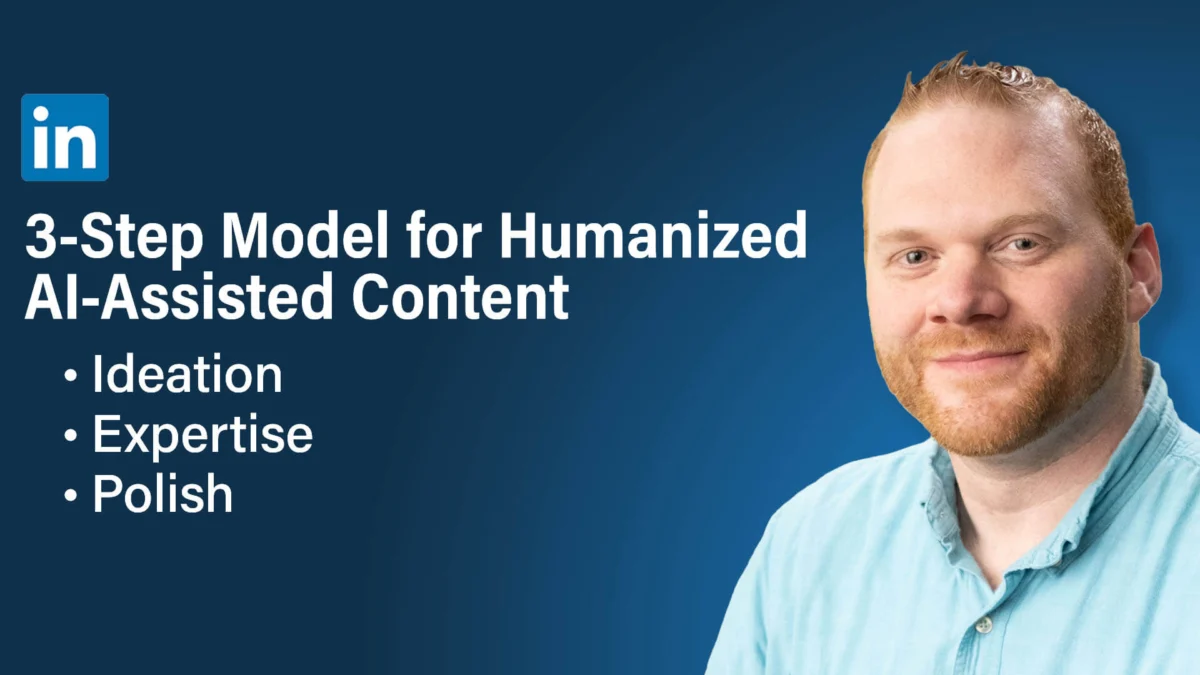
- LinkedIn Strategy: LinkedIn’s algorithm is increasingly rewarding "comment-first" strategies. This suggests that the platform is moving toward becoming a conversational hub rather than a broadcasting channel. Marketers who invest time in thoughtful, high-value comments within their niche are seeing better visibility than those who rely solely on automated posts.
- The "Slop" Risk: There is an inherent danger in over-relying on AI for writing. LinkedIn has explicitly flagged certain writing patterns as "AI slop." Marketers must curate their AI output, ensuring that the final voice, nuance, and strategic direction remain distinctly human.
The Road Ahead
As we look toward 2027, the divide between brands that successfully leverage AI and those that are buried by it will widen. Success will depend on three pillars:

- Infrastructure: Adopting enterprise tools that secure data while boosting productivity.
- Community: Moving beyond vanity metrics to foster deep, one-on-one connections in forums and real-world gatherings.
- Authenticity: Using AI to speed up the mundane, while doubling down on the "unpolished," authentic, and human-centric content that algorithms—and customers—increasingly demand.
Summary of Strategic Recommendations
- Audit your AI usage: Ensure that you are not sacrificing brand voice for speed.
- Diversify your community presence: Don’t rely solely on algorithmic reach; invest in Facebook Groups, LinkedIn comments, and direct email engagement.
- Adopt a "Human-in-the-Loop" policy: AI should act as an assistant for drafting, analysis, and data mining, but the final strategic decisions must be reviewed and authorized by human experts who understand the brand’s unique value proposition.
By synthesizing these updates, marketing leaders can move from a state of reactive "chasing the algorithm" to proactive, strategic growth. The tools are changing, but the principles of clear communication, deep customer insight, and genuine community building remain as relevant as ever.