
The transformation of iconic comic book characters from the static, ink-and-paper panels of DC Comics to the visceral, three-dimensional reality of live-action cinema is a process fraught with creative tension. For director James Watkins, the challenge was not merely to adapt a character, but to translate a shapeless, body-horror nightmare into a grounded, emotionally resonant antagonist. With the release of Clayface, the latest entry in the DC Universe (DCU), audiences have finally witnessed the tragic metamorphosis of Matt Hagen, a design process that required nearly 20 distinct iterations before reaching the screen.
In an exclusive interview, Watkins opened up about the painstaking efforts to bring the Batman rogue to life, balancing the demands of modern blockbuster visual effects with the character’s long, complex history in animation and gaming.
A Legacy of Malleability: The History of the Villain
Before diving into the technical specifications of the film’s creature design, it is essential to understand the weight of the character’s legacy. Clayface has existed in various iterations since his debut in Detective Comics #40 in 1940. Over the decades, the mantle has been passed between several different characters, but the most recognizable—and the one upon which the current film centers—is Matt Hagen.
Hagen’s profile reached its zenith in the early 1990s, thanks to the definitive two-part Batman: The Animated Series episode, "Feat of Clay." That narrative arc provided the definitive template for the character: a failed actor whose pursuit of a restorative chemical leads to a grotesque, permanent state of liquefaction.
Watkins and his creative team were acutely aware that they were not working in a vacuum. "We looked at all the comics," Watkins explained. "We also looked at ‘Feat of Clay’ and Creature Commandos. There are a lot of versions we looked at, and then we were mindful of it having to look right in live-action, rather than just as if it’s been pulled from a comic book."
The Iterative Process: Sculpting the Impossible
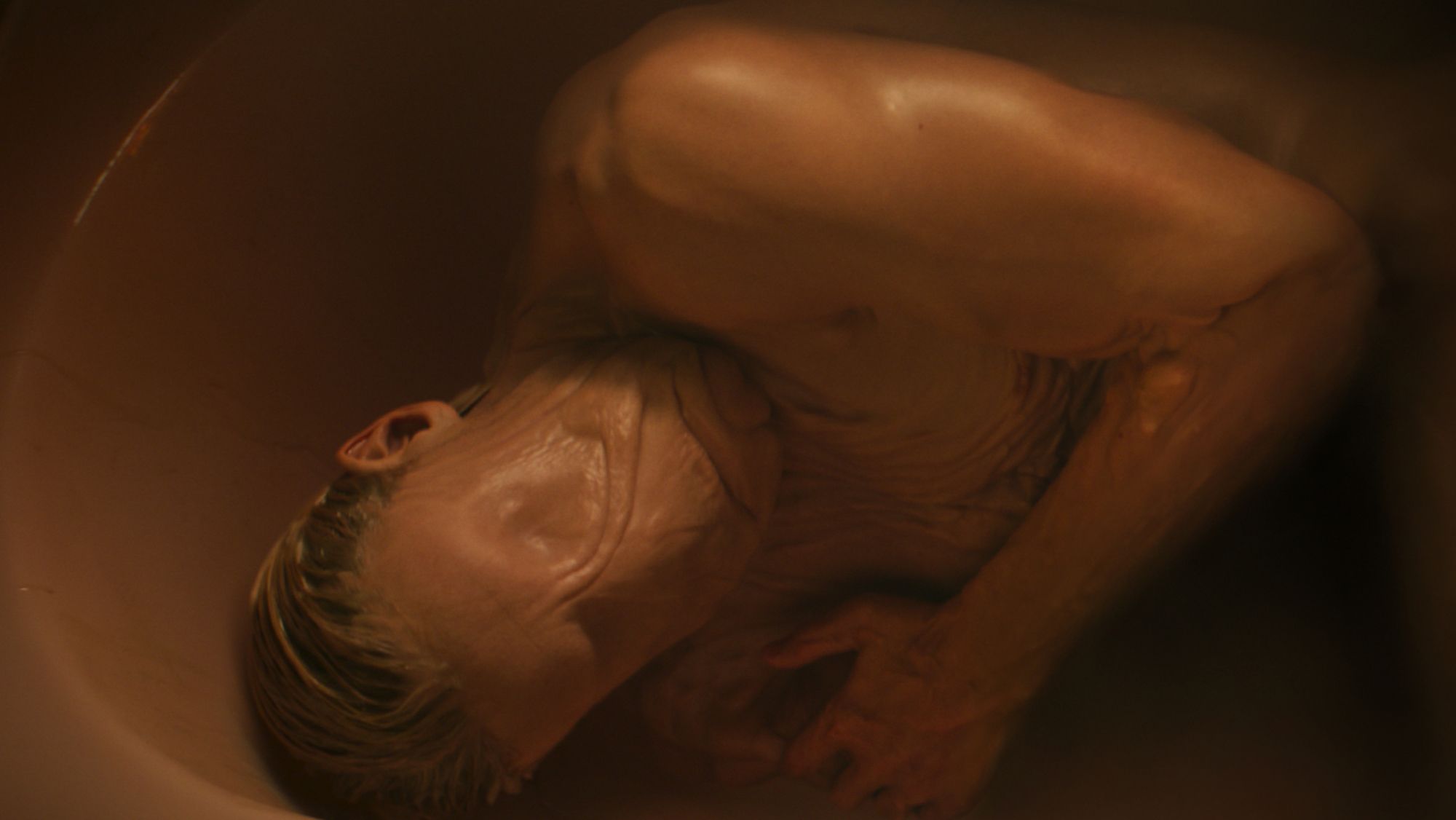
The journey from concept to final render was anything but linear. According to the production notes, the team moved through nearly 20 different iterations of Clayface’s physical form. This wasn’t just a matter of cosmetic adjustments; it was a fundamental debate over the laws of physics and the limitations of human perception.
"I guess the key thing for this interpretation is the emotion," Watkins noted. "We spent hours obsessing about the pain in his eyes, the pain in his voice when he screams, the man trapped inside the monster, and the sense of that duality that I guess he has. We made about 17 different versions trying to find the monster, while also making sure that we could identify [Tom Rhys Harries as Matt Hagen]."
This "duality" is the cornerstone of the film’s success. In many depictions, Clayface is treated as a mindless behemoth or a purely villainous force of nature. Watkins’ approach, however, prioritizes the tragedy of Hagen. By ensuring that the audience can see the human actor’s expressions—or at least the recognizable traces of them—beneath the shifting, viscous clay, the film elevates the character from a simple "monster of the week" to a deeply sympathetic, if terrifying, figure.
The Role of the DCU: Continuity and Evolution
The arrival of Clayface coincides with a major turning point for the DC Universe. With the recent debut of the adult-oriented animated series Creature Commandos, the DCU has begun to weave its various threads together. Clayface’s involvement in that project served as a precursor to his cinematic feature, creating a sense of continuity that modern audiences have come to expect from interconnected franchises.
However, Watkins was quick to clarify that he was not stifled by the character’s previous appearances in the DCU. When asked if the limitations of the animated version hampered his creative freedom, the director was emphatic. "No, I had free rein," he revealed. "It was all on me."
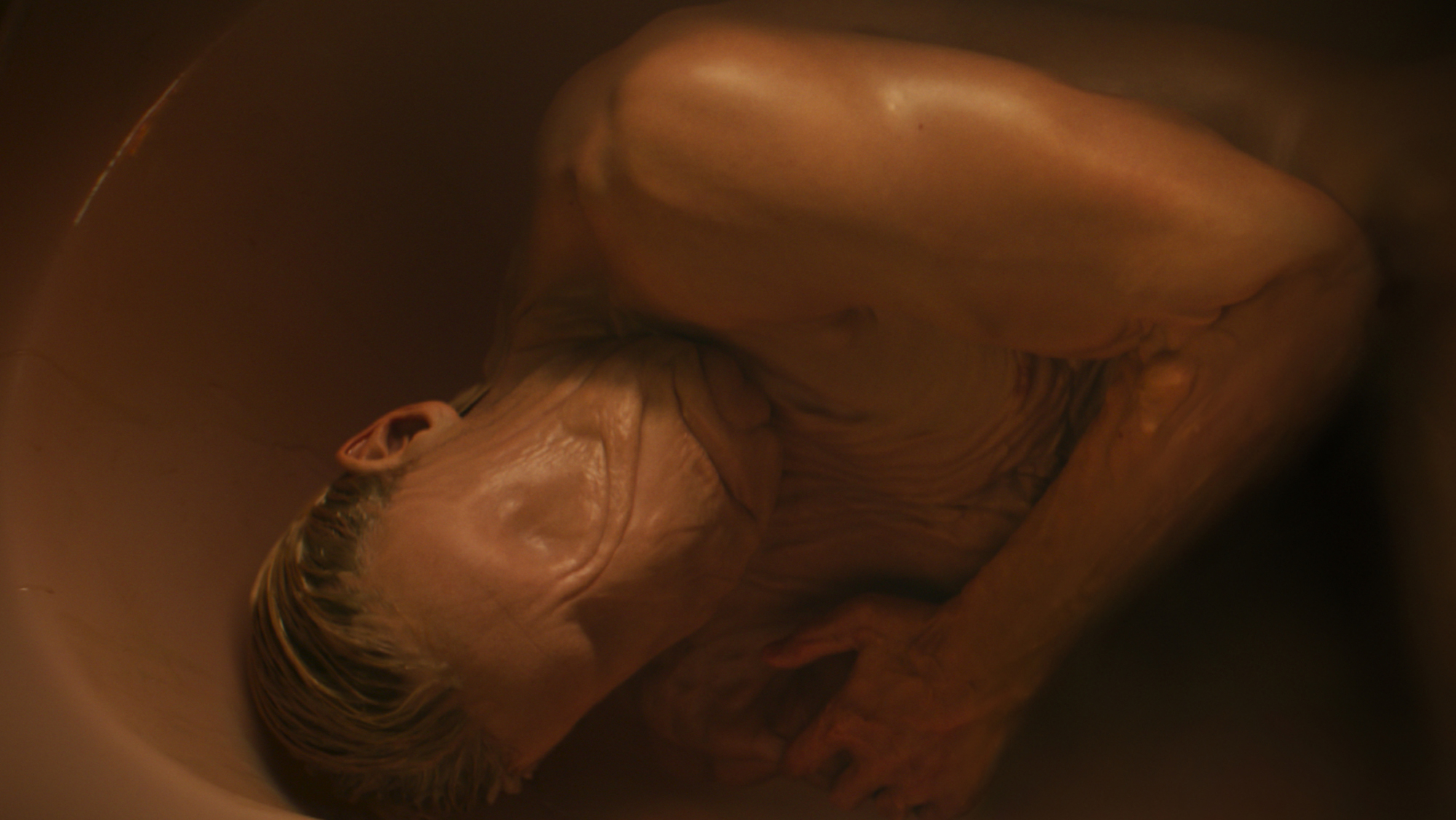
This level of creative autonomy allowed Watkins to lean into the "body horror" genre, a stylistic choice that separates this film from more traditional superhero fare. By allowing the character to remain fluid, the film captures the inherent instability of a man whose very molecular structure is in a state of constant, agonizing flux.
Anatomy of the Final Form
The final design of Clayface, which is largely withheld until the film’s climactic third act, is a masterclass in practical and digital synergy. The production team utilized a hybrid approach, combining high-end motion capture with sophisticated prosthetics to ensure that the "clay" felt heavy, wet, and dangerous.
The technical challenge was significant: how do you create a character that is essentially a puddle of sentient mud without it looking like a generic CGI blob? The answer lay in the textures. By studying the way mud, quicksand, and industrial sludge move under pressure, the VFX team was able to create a "skin" for Clayface that ripples and tears, revealing the underlying trauma of the man beneath.
"We wanted the audience to feel the texture of it," a production designer noted in earlier behind-the-scenes press materials. "When he moves, we wanted you to hear that squelching, wet sound, but also see the rigidity of the bone structure that he’s trying to hold together."
Implications for the Future of DC Villains
The success of Clayface as a standalone character study signals a shift in how Warner Bros. and DC Studios approach their rogue’s gallery. For years, the studio was criticized for relying on "c-tier" villains to act as punching bags for heroes. By dedicating an entire feature film to a character known primarily for his malleability and tragic backstory, the studio is signaling a willingness to invest in character-driven narratives that don’t necessarily require a traditional "good guy" to carry the plot.

This shift suggests that future DCU projects may follow suit, focusing on the internal lives of antagonists. If audiences respond positively to the emotional complexity of Matt Hagen, it paves the way for other complex figures—like Mr. Freeze or Killer Croc—to receive similar, high-budget, genre-bending treatments.
The Audience Response: Why Body Horror Works for Batman
It is perhaps ironic that one of Batman’s most famous villains is a man who can become anyone, yet chooses to lose himself in the pursuit of his former glory. The body horror elements of the film are not gratuitous; they serve as a metaphor for the loss of identity.
In the film’s finale, the visual spectacle is at its peak. The "final form" is a terrifying amalgamation of mass and rage, a physical representation of Hagen’s mental instability. By the time the screen fades to black, the audience is left with the haunting realization that while the "monster" has been defeated, the human tragedy remains the most lasting impression of the film.
Final Reflections
The process of bringing Clayface to the big screen was a Herculean task that spanned years of development, dozens of design concepts, and a refusal to settle for the conventional. By prioritizing the "pain in the eyes" of the creature over the spectacle of the fight, James Watkins has delivered a version of the character that feels both entirely new and deeply faithful to his roots.
As the DCU continues to expand, Clayface will likely be remembered as the moment the franchise proved it could handle darker, more intimate character studies. For fans of the character, the wait was long, but the result is a testament to the idea that sometimes, to create something truly memorable, you have to be willing to break it apart—and reshape it—over and over again.

For those heading to the theater this weekend, be prepared for a film that challenges the boundaries of the superhero genre. And for more on the making of the DCU, stay tuned to our ongoing coverage of the latest developments in the DC slate.