By Olivia Tauber, Deputy Digital Culture Editor
November 4, 2026
In a political landscape that has felt increasingly polarized and weary for the better part of a decade, the results of the 2026 midterm elections have triggered an unexpected, deeply nostalgic cultural phenomenon. As Democratic candidates secured decisive victories in key battlegrounds—including historically Republican strongholds like Texas and Kansas—the internet did not just react with standard political commentary. Instead, it pivoted into a collective, curated memory of the late 2000s and early 2010s, a period many have dubbed the era of "Millennial Optimism."
From the sudden resurgence of Hamilton soundtrack references to the viral circulation of 2009-era indie-pop anthems like The Middle East’s "Blood," social media platforms have transformed into digital archives of a bygone, seemingly more hopeful time. As the "blue tsunami" became a reality on election night, the question on everyone’s lips shifted from the mechanics of the vote to the emotional resonance of the moment: Is the earnest, bright-eyed optimism that defined the early Obama years officially back?
The Anatomy of a Cultural Shift: Defining "Millennial Optimism"
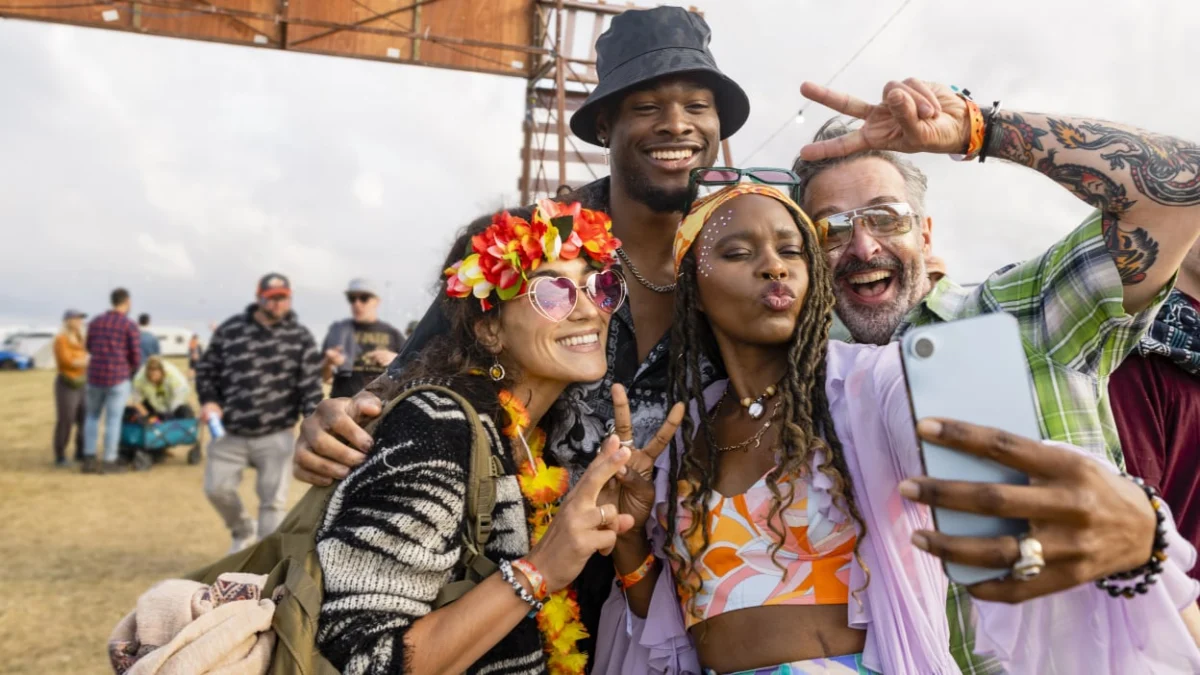
To understand why millions of internet users are currently posting Apple Photo Booth-style selfies and reminiscing about flower crowns and wired earbuds, one must first define the aesthetic of "Millennial Optimism."
The trend, which began bubbling on TikTok and X (formerly Twitter) months before the 2026 midterms, is more than just a fashion revival of mustache-print scarves and statement necklaces. It is a psychological response to a contemporary era defined by algorithmic fatigue and perpetual crisis. Users are romanticizing a time when the internet felt smaller, more personal, and less governed by profit-driven feedback loops.

"It’s an aspirational sense of loss," says one social media observer. For many older Gen Z individuals who were children during the Obama era, this "optimism" represents a promised future that they witnessed from the sidelines—a future that felt attainable before the economic and social fractures of the mid-2010s set in. The 2026 election results have served as a catalyst, allowing people to project that long-dormant hope onto the present day.
A Chronology of the 2026 Election Night Resurgence
The timeline of this cultural pivot is precise, aligning almost perfectly with the reporting of election results:
- Pre-Election Period: A steady rise in "corecore" and "nostalgia-core" content on TikTok. Users began sharing compilations of 2010s aesthetic markers—Lumineers songs, hazy filters, and early blogging culture—set to wistful, acoustic indie tracks.
- Election Night (Nov. 3): As the first waves of data signaled a strong performance for Democrats, the tenor of social media shifted. The "blue tsunami" narrative took hold, and with it, the adoption of "hope-core" memes.
- The Early Hours (Nov. 4): As the scale of the victories became clear, Google search volume for the term "Millennial Optimism" spiked by 5,000 percent. The internet began a mass-migration back to the "Obama-era" cultural canon.
- The Post-Election Morning: Brand accounts like BuzzFeed leaned into the bit, jokingly updating branding to reflect the "hopeful" aesthetic. Users across platforms began creating "Victory Playlists," featuring music that defined the 2008–2012 period.
Supporting Data: The Numbers Behind the Nostalgia
The surge in interest is not merely anecdotal. According to digital trend analysts, the term "Millennial Optimism" has officially transitioned from a niche aesthetic descriptor to a breakout search query.
Engagement data from X shows that posts tagged with #MillennialOptimism or referencing the "Obama era" saw a 12,000 percent increase in shares during the 12 hours following the election. Furthermore, streaming data indicates a localized but measurable uptick in plays for artists who dominated the charts during the 2009–2012 cycle, suggesting that the digital conversation is driving actual consumer behavior.
The phenomenon is also marked by a "club-night" revival. Viral videos from cities like Austin, Texas, showed young voters celebrating election results in venues playing 2010s hits like "We Are Young" by Fun., with captions explicitly labeling the mood as "100,000% millennial optimism."

Official Responses and Corporate Participation
The speed at which this trend integrated into the political discourse caught even the most established digital entities off guard. BuzzFeed, arguably the quintessential media outlet of the era being romanticized, engaged directly with the trend on X. When one user joked, "They’re gonna bring BuzzFeed back," the official account replied with a tongue-in-cheek commitment to "changing our color scheme to blue."
While politicians themselves have remained largely focused on policy and transition, the online surrogates and campaign staffers have leaned into the "hope" messaging. The recurring use of terms like "Change" and "Yes We Can"—the bedrock of the 2008 campaign—has been repurposed in memes that blend modern legislative wins with the visual language of 15 years ago.
Implications: Can the Feeling Last?
Critics and cultural historians are quick to point out that the era being romanticized was, in reality, quite fraught. The period was marked by the lingering aftermath of the 2008 financial crisis, mounting student debt, and a deeply fractured job market. "Millennial Optimism" was always a shield against, rather than a reflection of, a perfect reality.
However, the current iteration of this optimism serves a functional purpose. In a political environment that has been defined by cynicism and doom-scrolling, the adoption of a "hopeful" aesthetic is a tactical choice. By aligning their current political victories with a time they perceive as more hopeful, voters are effectively trying to manifest a more positive trajectory for the country.
The implications for the next two years are significant. If this "optimism" is to survive beyond the initial post-election high, it must contend with the realities of governing. The challenge for those celebrating today is whether they can transition from the comfortable, nostalgic safety of "Obama-era" vibes into a mature, resilient form of hope that can withstand the inevitable friction of a legislative session.

For now, the internet remains a place of celebration. Whether it is a genuine turning point or a temporary, collective act of escapism, the "Millennial Optimism" trend underscores a fundamental truth: voters are desperate for a sense of momentum. By looking backward to move forward, they are signaling that the most powerful political tool they have left is the ability to believe that, once again, change is possible.
As the country processes the results of the 2026 midterms, one thing is clear: the soundtrack to the next two years will likely be acoustic, nostalgic, and defiantly, stubbornly hopeful. Whether that hope can translate into long-term political impact remains the central question of the cycle. For today, at least, the internet is choosing to believe.