In the modern digital landscape, the traditional search engine results page (SERP) is undergoing a radical transformation. As generative AI becomes the primary interface for information retrieval, Answer Engine Optimization (AEO) has transitioned from a theoretical concept to a critical business necessity. For companies that rely on organic search to drive lead generation and revenue, the emergence of AI Overviews at the top of search results—often superseding organic listings and paid advertisements—means that traditional SEO is no longer the sole gatekeeper of traffic.
However, many organizations operate with lean marketing teams, lacking the internal bandwidth or specialized search departments to tackle this new frontier. The challenge is clear: How can small, agile teams effectively compete in an AI-driven environment without ballooning their headcount? The answer lies in a strategic blend of automation, structured workflows, and the right technological partnerships.
The New Reality: Why AEO is Non-Negotiable
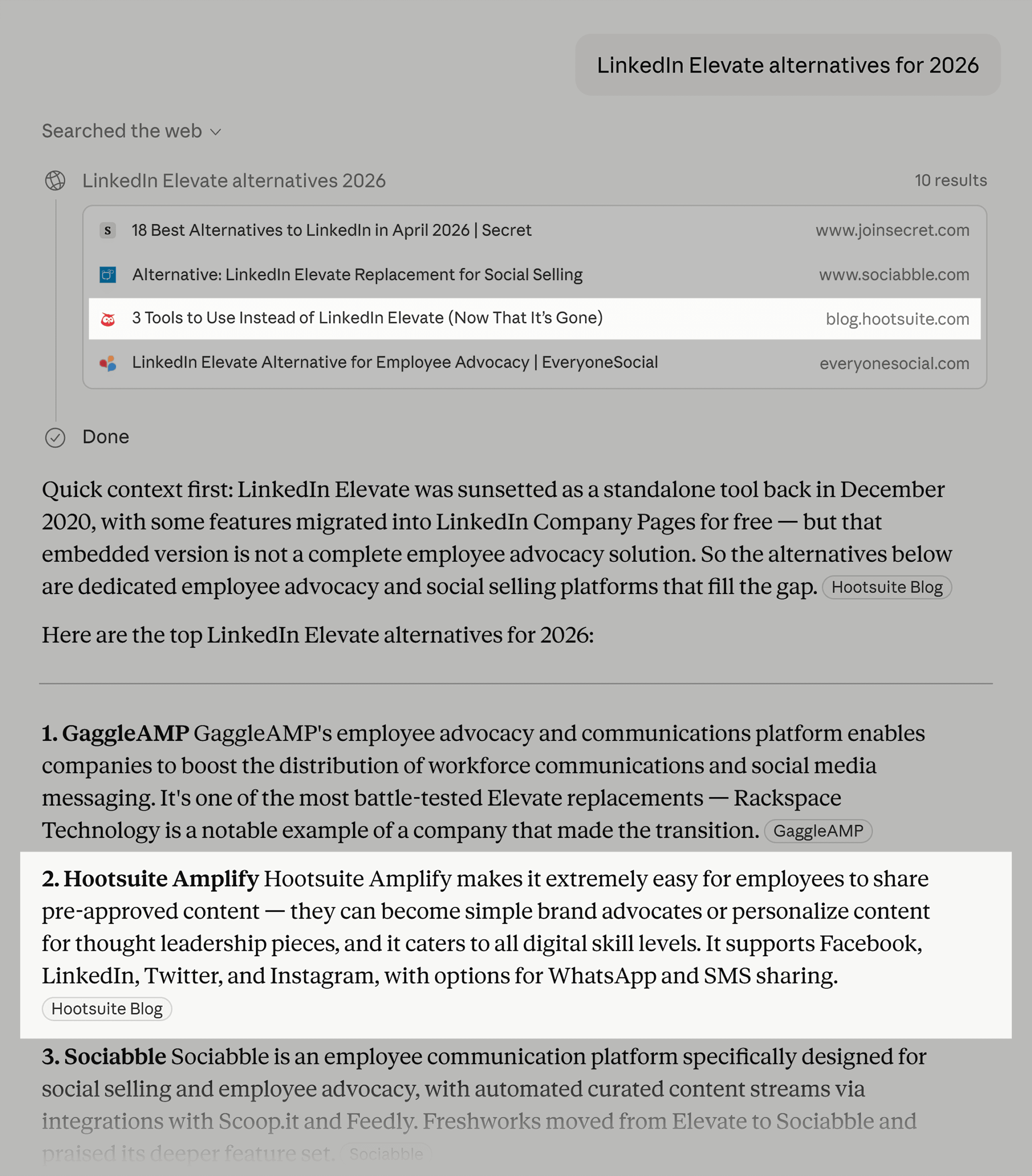
For years, SEO professionals focused on ranking within the top ten blue links of Google. Today, platforms like ChatGPT, Perplexity, and Google’s AI Overviews provide direct, synthesized answers, often bypassing the need for a user to click through to a website. If your brand is not surfacing in these AI-generated responses, you are essentially invisible to a growing segment of search-intent traffic.

Data from recent industry studies underscores this urgency. Over 30% of Gen Z users now prefer chatbots and AI tools for information discovery, and 47% of marketers report using AI for research purposes. As search behavior shifts, so too must marketing strategy. Companies that fail to adapt risk losing their share of voice to competitors who have optimized their content for the conversational, context-aware nature of LLM (Large Language Model) crawlers.
Three Paths for the Lean Team
To manage AEO without a dedicated team, organizations generally gravitate toward one of three operational models, each with distinct trade-offs regarding time, cost, and control.
1. The DIY Workflow
The "do-it-yourself" approach is the lowest in monetary cost but the highest in labor. It involves manually testing prompts, logging findings in spreadsheets, and cross-referencing search data. While this provides total control, it is notoriously difficult to scale. It often falls apart when marketing teams face competing priorities, leading to inconsistent data and "dead" strategies.

2. The Software Solution
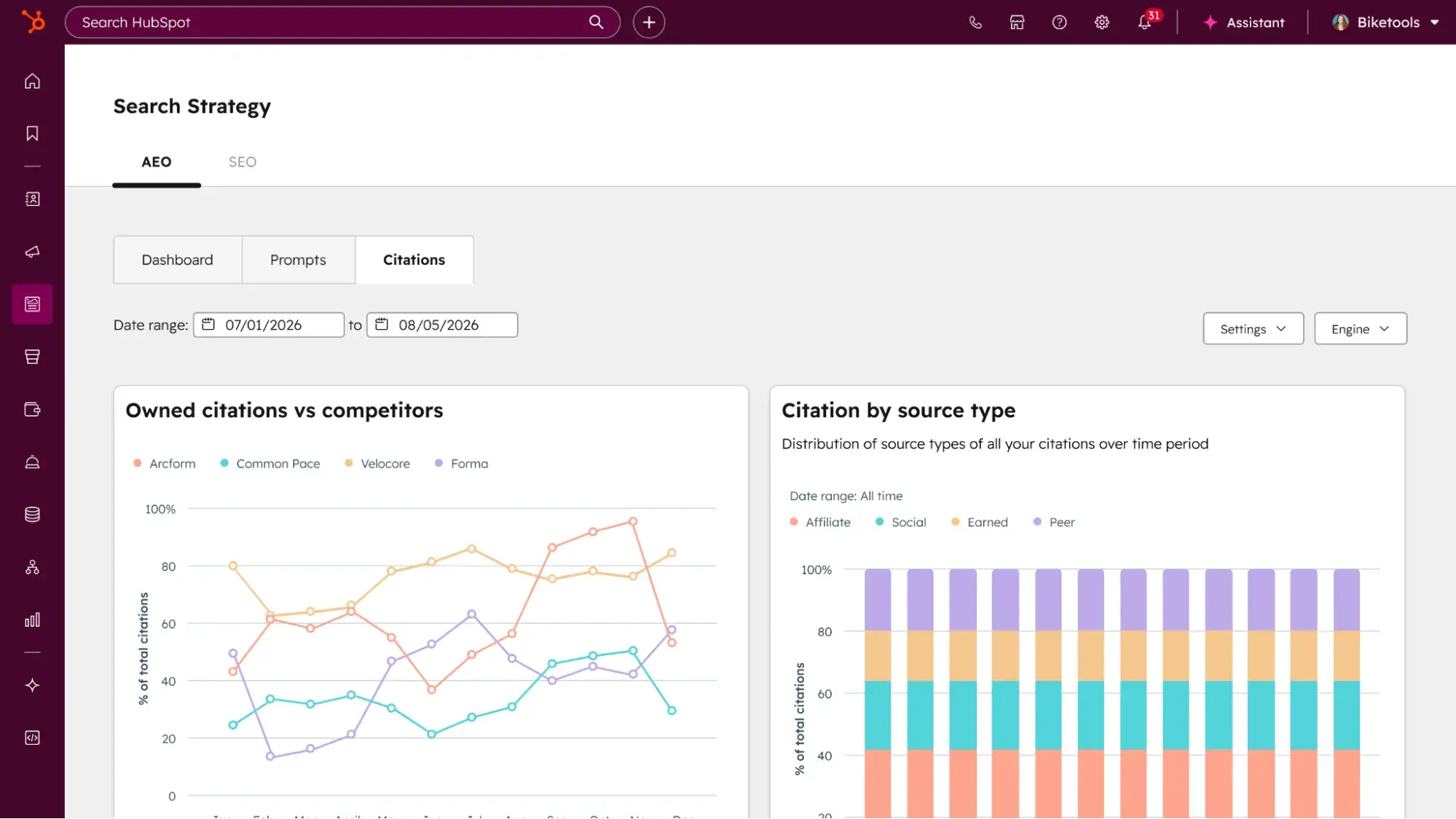
Platforms like HubSpot AEO bridge the gap between manual effort and high-end outsourcing. By centralizing tracking, competitor benchmarking, and content recommendations, software solutions allow a single marketer to achieve what would otherwise require a team of specialists. This path is widely considered the most sustainable for mid-sized organizations.
3. Agency Support
Outsourcing to an agency removes the operational burden but introduces a dependency on external timelines. This is ideal for firms with significant budgets but zero internal capacity. However, the lack of immediate, day-to-day control can mean that critical nuances—such as a sudden drop in brand sentiment—might not be addressed until the next reporting cycle.
Establishing a Baseline: The First Step
Before any strategy can be implemented, a brand must understand its current standing. A baseline visibility check is the foundational act of AEO. It requires measuring three critical pillars:

- Presence: Is the brand mentioned in AI-generated answers at all?
- Sentiment/Description: How is the brand characterized by the AI?
- Competitive Landscape: Which competitors are occupying the brand’s space?
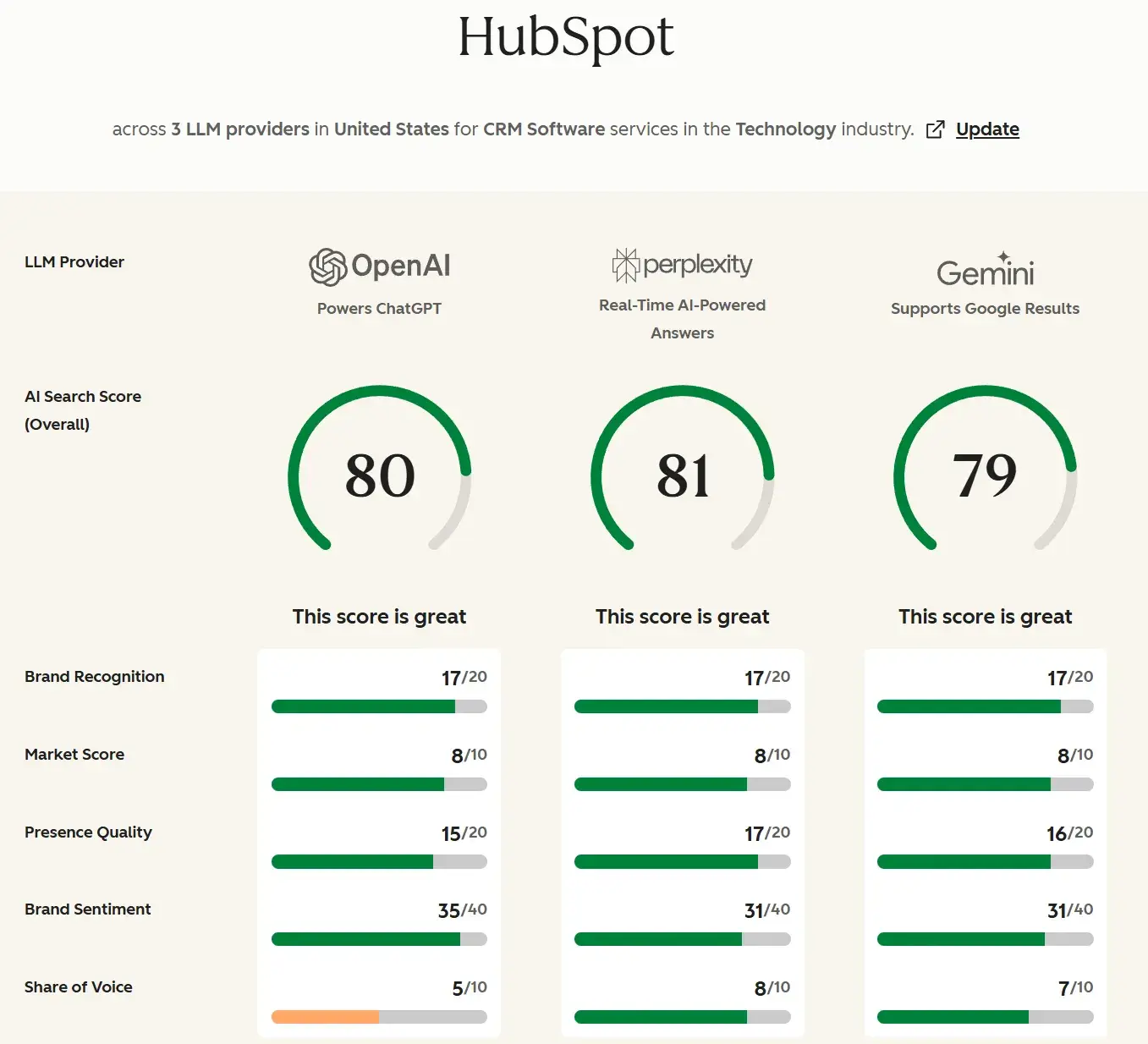
Tools like the AI Search Grader allow marketers to conduct this check instantly without integration costs. By automating the initial audit, lean teams can fold this research into their existing workday, providing an immediate snapshot of their competitive position.
The Mechanics of a Repeatable Workflow
Once the baseline is established, the goal is to move from a one-time audit to a recurring system. A robust AEO workflow relies on four categories of prompts, which should be tested consistently:
- Category Prompts: These test your brand’s visibility when a user searches for a service but does not specify a brand name. This is the most crucial category for growth.
- Competitor Prompts: By monitoring competitors, teams can uncover gaps in their own messaging or product positioning.
- Product and Use-Case Prompts: These assess whether your content maps to specific, high-intent scenarios (e.g., "Best CRM for a five-person sales team").
- Objection-Handling Prompts: These test whether your content proactively addresses buyer hesitations, preventing competitors from filling that void.
The Role of Recency
The "shelf life" of information in the AI age is shorter than ever. According to research from Seer Interactive, 94% of LLM crawler hits are based on content published within the last five years, with a heavy bias toward the most recent year. For lean teams, this implies that AEO is not a "set-it-and-forget-it" task. Content must be refreshed regularly to ensure that data, examples, and statistics remain relevant to the LLMs that aggregate them.

Integrating AEO with Existing SEO
A common mistake is treating AEO as a separate initiative. In reality, AEO and SEO are two sides of the same coin. Modern SEO software—which integrates keyword data with Google Search Console—provides the infrastructure that AI models need to "trust" a site. By focusing on topic clusters and clear, authoritative structured data, marketers can kill two birds with one stone: strengthening their organic search ranking while simultaneously providing the high-quality signals that AI engines prioritize.
Navigating the "Black Box" of AI
A frequently cited concern among marketers is the "personalization" of AI results. Because AI responses are often tailored to the user’s location, device, and history, two people may see different answers for the same prompt. While this variability makes absolute measurement difficult, it does not invalidate the data. The goal of a lean team is not to achieve a single "correct" ranking, but to observe trends over time. If a brand’s visibility score remains consistently high across multiple test scenarios, it is a strong indicator that their content architecture is aligned with the LLM’s logic.
Implications for Future Strategy
As we look toward the future, the reliance on AI-driven search will only deepen. For the lean team, the path forward is not about outworking the competition through manual labor, but about out-strategizing them through intelligent automation.

Key Takeaways for Lean Teams:
- Don’t ignore the data: A baseline is only useful if it leads to action. Use your weekly review to identify one "win" or "fix" per week.
- Prioritize structural health: AI models favor websites that are easy to crawl and understand. Invest in technical SEO to ensure your content is accessible.
- Leverage AI to fight AI: Use tools to automate reporting and insight generation. If your software can tell you exactly which page to update to improve your visibility, you’ve eliminated the most time-consuming part of the job.
By choosing the right technological foundation—whether that is a dedicated AEO platform or a suite of free, specialized tools—small marketing teams can not only survive the AI shift but thrive within it. The key is consistency. By locking in a repeatable prompt set and committing to a weekly review cadence, any lean team can turn the volatility of AI search into a reliable engine for long-term growth.
As the industry matures, the distinction between "traditional" search and "answer" search will continue to blur. The brands that win will be those that view their content as an evolving knowledge base, ready to answer the specific, intent-driven questions of tomorrow’s customers. The time to build that infrastructure is now, while the playing field is still being defined.