In the hyper-competitive landscape of modern recruitment, the ability to identify, engage, and onboard top-tier talent quickly is a decisive competitive advantage. As companies shift their focus toward hiring interns and fresh graduates to build a sustainable talent pipeline, the volume of incoming applications has reached an all-time high. To navigate this influx, recruiters are increasingly turning to Artificial Intelligence (AI).
Internshala, a market leader in internship and fresher hiring, has pioneered a comprehensive suite of AI-powered recruitment tools. These solutions are not merely about automation; they represent a fundamental shift in how organizations manage the "top of the funnel"—the critical, often tedious early-stage process of screening, shortlisting, and initial engagement.
The Evolution of Recruitment: From Manual Labor to Intelligent Automation
For decades, the recruitment process was largely a manual, time-intensive endeavor. Recruiters spent countless hours wading through stacks of resumes, conducting preliminary phone calls, and manually scheduling interviews. This traditional model was not only slow but prone to human bias and exhaustion.
The integration of AI into recruitment has changed this narrative. By leveraging machine learning algorithms, modern hiring platforms like Internshala can now process thousands of applications in a fraction of the time it would take a human team. This evolution marks a transition from reactive hiring to proactive, data-driven talent acquisition.
The Mechanics of Internshala’s AI Hiring Ecosystem
Internshala’s AI-powered hiring suite acts as a digital co-pilot for recruiters. It is designed to bridge the gap between high-volume application flow and the need for precision. The ecosystem consists of several interconnected modules:
1. AI-Powered Candidate Shortlisting
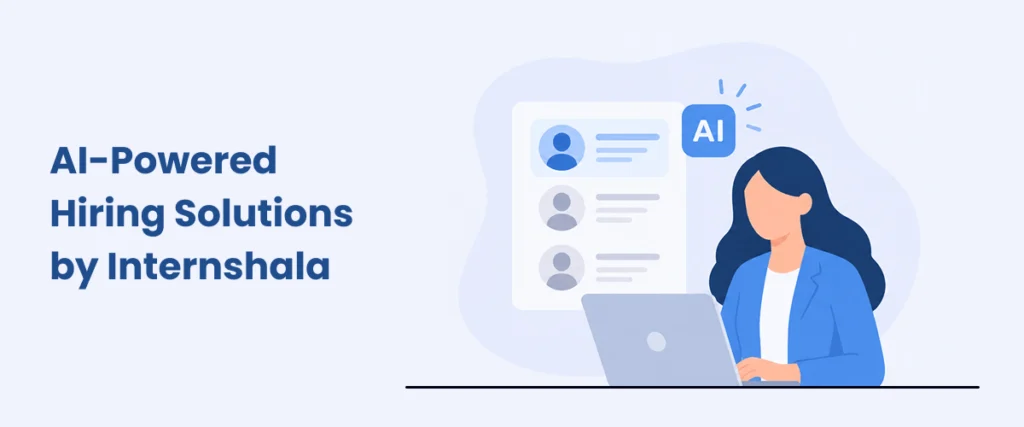
The most significant pain point for recruiters is the "noise" in the application pool. Internshala’s Smart Hire technology parses resumes against specific job requirements—such as technical skills, academic background, and relevant project experience—to generate a ranked list of candidates. This allows recruiters to prioritize the most promising applicants immediately, ensuring that top talent does not slip through the cracks.

2. Asynchronous AI Video Interviews
Coordination is the enemy of speed. Scheduling live interviews often involves weeks of back-and-forth emails. Internshala’s asynchronous video interview feature enables candidates to record their responses to structured questions at their convenience. Recruiters then review these submissions at their own pace, analyzing consistent data points across all candidates to ensure a fair, standardized comparison.
3. Precision Resume Matching
Beyond simple keyword matching, the platform utilizes advanced semantic analysis to understand the context of a candidate’s skills. If a company is looking for a Python developer with a background in data science, the AI doesn’t just look for the words "Python"; it evaluates the candidate’s portfolio, internships, and educational projects to assess genuine proficiency.
4. Advanced Candidate Filtering and Database Access
With access to a database of over 32 million candidates, Internshala allows recruiters to move beyond inbound applications. Employers can proactively search for talent based on highly specific parameters—location, availability, skill set, and educational pedigree—effectively turning the recruitment process from a passive wait into an active hunt.
Chronology of the Shift: How the Recruitment Workflow Has Changed
- Phase One (Pre-AI): Employers post a job, wait for applications, and manually screen hundreds of resumes. The process is prone to bottlenecks and delays, often resulting in high-quality candidates accepting offers elsewhere before the recruiter even calls them.
- Phase Two (The Introduction of Digital Tools): Applicant Tracking Systems (ATS) emerge, organizing data but still requiring significant manual input and decision-making for filtering.
- Phase Three (The AI Integration Era): As seen with Internshala’s current platform, AI takes over the heavy lifting. The system learns from recruiter preferences, ranks candidates, and automates initial assessments. The recruiter’s role shifts from "sifter" to "evaluator," focusing on high-level strategy and final-stage culture fit.
Supporting Data: The Efficiency Multiplier
Internal data from Internshala underscores the impact of these tools. Companies utilizing AI-powered shortlisting see a significant reduction in the time-to-hire metric. By automating the screening of hundreds of profiles, recruiters have reported saving up to 60-70% of the time previously spent on administrative tasks. Furthermore, the standardization provided by AI interviews ensures that every candidate is measured against the same rubric, reducing the likelihood of unconscious bias and improving the overall quality of the shortlist.
Official Perspective: The Human-in-the-Loop Philosophy
A common concern regarding AI in HR is the "black box" problem—the fear that algorithms might inadvertently exclude qualified talent. Internshala addresses this through a "Human-in-the-Loop" philosophy.
Official guidance from the platform emphasizes that AI is a support tool, not a decision-maker. The AI provides insights, rankings, and summaries, but the final hiring decision remains firmly in the hands of the human recruiter. By providing recruiters with a "data-rich" starting point, the platform allows them to spend more time on meaningful candidate interactions—the "human" part of Human Resources—rather than being buried in spreadsheets and email threads.

Implications for the Future of Work
The widespread adoption of AI in hiring has profound implications for both employers and the workforce:
- For Employers: The barrier to hiring at scale has been lowered. Startups can now compete with larger corporations by managing robust hiring funnels with smaller, more agile HR teams.
- For Candidates: The process is becoming faster and more transparent. Candidates are evaluated on their skills and data-backed performance rather than just the aesthetic of their resumes.
- For the Industry: We are witnessing a professionalization of early-career recruitment. As more data is gathered, the AI models continue to improve, leading to better "job-fit" predictions and lower turnover rates.
Navigating the Process: A Step-by-Step Guide for Employers
To leverage these solutions effectively, recruiters should follow a structured approach:
- Define the Persona: Start by creating a detailed job description. The more precise your requirements (skills, software proficiency, educational background), the more effective the AI’s matching algorithm will be.
- Utilize Smart Filters: Don’t just rely on broad searches. Use location, internship availability, and specific project experience to narrow the pool.
- Review, Don’t Delegate: Use the AI-generated rankings to identify your "Top 20." Review these profiles, then utilize the AI video interview tool to gain a deeper understanding of their communication skills and problem-solving abilities.
- Engage Early: Use the platform’s communication tools to provide timely updates to candidates, keeping them warm throughout the hiring process.
Conclusion: Balancing Efficiency with Empathy
The integration of Artificial Intelligence into recruitment platforms like Internshala represents a transformative moment for the industry. By automating the repetitive, manual tasks that have long plagued HR departments, AI allows organizations to reclaim their time and focus on what truly matters: finding the right people for the right roles.
However, the technology is only as good as the strategy behind it. Employers must remain vigilant, ensuring that their job descriptions are inclusive and that their final evaluations remain rooted in human judgment. As we look toward the future, the combination of high-speed AI processing and human intuition will continue to set the gold standard for successful talent acquisition.
Frequently Asked Questions (FAQs)
Q1. Are AI-powered hiring solutions suitable for all company sizes?
Yes. While large organizations benefit from the sheer volume of processing, startups and SMEs benefit from the efficiency, allowing them to manage high-growth hiring phases without needing to expand their HR teams prematurely.
Q2. Does AI replace the need for recruiters?
Absolutely not. AI handles the data-heavy, repetitive tasks of screening and shortlisting. Recruiters remain essential for final interviews, cultural assessments, salary negotiations, and building relationships with candidates.

Q3. How does Internshala ensure fairness in its AI screening?
Internshala’s AI is designed to match profiles based on objective criteria such as skills, experience, and education. By standardizing these metrics, it helps reduce the subjective biases that often occur during manual resume scanning.
Q4. Can I still perform manual reviews if I use AI tools?
Yes. The platform is designed to be flexible. Employers can use the AI to rank and filter, but they retain full control to manually review every single application if they choose.
Q5. How do I get started with these tools?
Employers can register for free on the Internshala employer platform, post their job requirements, and immediately begin using the Smart Hire and screening features to streamline their recruitment process.