In an era where digital content is produced at a scale that exceeds human capacity to consume it, the challenge for platforms like YouTube has shifted from "providing access" to "facilitating discovery." With its latest homepage overhaul and the expansion of its AI-powered "Ask YouTube" tool, the video giant is signaling a fundamental departure from the one-size-fits-all feed model. By empowering users to curate their own browsing experience and integrating conversational AI into the search process, YouTube is attempting to turn its platform from a passive viewing shelf into an interactive, personalized ecosystem.
Main Facts: A New Interface for a New Era
The core of YouTube’s recent update lies in its top-level navigation bar, which has been redesigned to prioritize user agency. By moving essential categories—Subscriptions, Movies & TV, Live, and Music—into a permanent, prominent position, YouTube is minimizing the "scrolling marathon" that has long plagued power users.
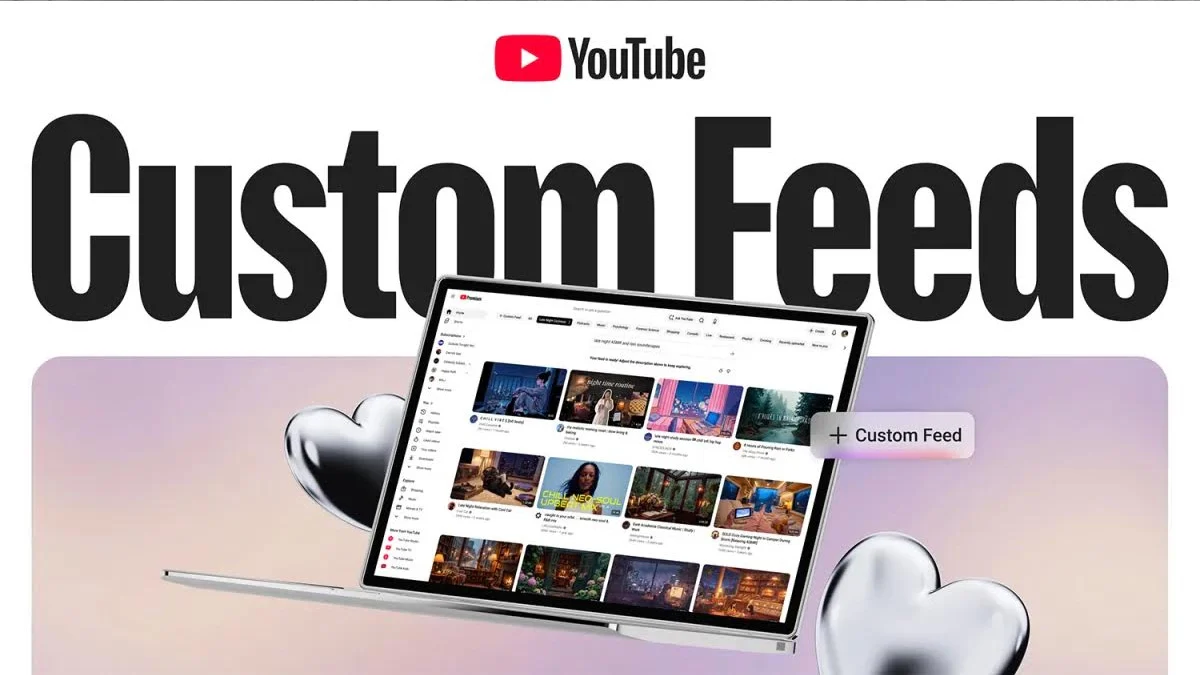
However, the most significant shift is the formalization of custom feeds. Rather than relying solely on YouTube’s opaque recommendation algorithm, users can now describe their specific interests, moods, or content formats to generate dedicated, self-updating feeds. This feature acts as a bridge between active search and passive browsing, allowing viewers to build a personalized dashboard that evolves as new content is uploaded.
Simultaneously, the "Ask YouTube" feature—an AI-driven interface—is being integrated deeper into the product research cycle. By allowing users to pose conversational queries, the platform is moving beyond simple keyword matching. Whether a user is comparing high-end smartphones or researching skincare regimens, Ask YouTube provides structured video recommendations alongside comparison tables, effectively turning the video platform into a powerful consumer intelligence tool.
Chronology: The Evolution of YouTube’s Discovery Engine
To understand the significance of these changes, one must look at the trajectory of YouTube’s interface evolution over the past decade:
- The Early Days (2005–2010): The platform functioned as a directory. Navigation was sparse, and discovery was largely manual, relying on "Related Videos" sidebars.
- The Algorithmic Turn (2011–2018): YouTube pivoted toward a machine-learning-heavy recommendation system. The goal was simple: keep the user on the platform as long as possible. The "Up Next" feature and the personalized homepage became the primary drivers of traffic.
- The Interactive Shift (2019–2023): As video formats diversified—with the introduction of Shorts, Live, and Premium offerings—the homepage became cluttered. The platform began experimenting with "topics" and filter bars to help users manage the overwhelming influx of content.
- The Conversational Era (2024–Present): The current update marks the shift toward user-driven curation and AI-assisted navigation. By giving users the tools to build their own feeds and interact with AI to find specific information, YouTube is essentially outsourcing some of its curation work to the audience itself.
Supporting Data: Why Personalization Matters
While specific engagement metrics regarding the update remain proprietary, industry analysts suggest that the move is a defensive and strategic necessity. Market data consistently shows that "decision fatigue" is a major driver of user churn. When a viewer spends more than three minutes scrolling without clicking, the likelihood of them closing the app increases by over 40%.
Furthermore, the rise of "research-heavy" viewing behavior is a critical trend. Studies indicate that nearly 70% of viewers use YouTube to inform their purchasing decisions. By providing structured comparison tables and AI-assisted summaries, YouTube is positioning itself as a primary competitor to traditional search engines like Google and specialized e-commerce review sites. This integration of utility and entertainment is a calculated bet: if YouTube can facilitate the decision to buy as well as the research to learn, it becomes an indispensable utility in the consumer journey.
Official Responses and Strategic Vision
While YouTube has not released a granular breakdown of how these changes will impact creator revenue or traffic distribution, spokespeople for the platform have framed the update as a response to the "democratization of content organization."
The platform’s strategic vision is clear: the homepage should be a reflection of the user’s intent rather than a reflection of the platform’s inventory. By allowing users to manage their saved feeds and modify them on the fly, YouTube is moving away from a static "content shelf" toward a fluid, responsive interface. For the average user, this means the homepage is no longer just a list of popular videos; it is a personalized magazine that resets according to the viewer’s current focus—whether that is a deep dive into historical documentaries on Monday or a stream of lighthearted comedy clips on Friday night.
Implications for the Ecosystem
1. The Creator Perspective: A Double-Edged Sword
For creators, these changes present both an opportunity and a challenge. On the positive side, custom feeds allow for more targeted discovery. If a creator produces niche, high-quality content that previously struggled to break through the "mass-appeal" algorithm, custom feeds could provide a direct line to a highly engaged audience.
However, the shift toward AI-summarized search results could potentially reduce the number of clicks a video receives. If a user gets the answer they need from an AI-generated table or summary, they may feel less inclined to click through to watch the full video. This creates a tension between "information efficiency" for the user and "watch-time optimization" for the creator.
2. The Battle for the Television Screen
The update to Ask YouTube—specifically the support for voice interactions on television—highlights the platform’s ambition to dominate the living room. As traditional cable continues to decline, YouTube is increasingly competing with streaming giants like Netflix and Disney+. By enabling voice-controlled, conversational navigation, YouTube is making its platform more accessible to a broader demographic, including older users or those who prefer a "lean-back" experience over the traditional keyboard-and-mouse search model.
3. The Future of Search
The integration of Ask YouTube into the watch page represents the death of the "search-then-click-then-repeat" cycle. By allowing users to ask follow-up questions while watching a video, YouTube is fostering a deeper level of engagement. This suggests a future where the search bar is not just a gateway to a list of links, but an ongoing conversation that evolves as the user learns more.
Navigating the Future: A User-Centric Conclusion
YouTube’s latest redesign is not merely a cosmetic facelift; it is a fundamental reconfiguration of how information and entertainment are consumed in a crowded digital space. By placing the viewer in the driver’s seat through custom feeds and conversational AI, the platform is acknowledging a critical reality: in an age of infinite content, the most valuable commodity is the user’s time.
The success of this initiative will ultimately depend on the intelligence of the AI and the ease of use of the custom feed features. If the tools feel cumbersome, users will revert to their old scrolling habits. But if these features become intuitive, they could fundamentally alter the relationship between viewers and creators.
For the casual observer, the change might seem subtle—a few new buttons in a navigation bar. For the power user, however, this is a transformative moment. The "guessing game" of finding something worth watching is being replaced by a system that listens, adapts, and learns. As YouTube continues to refine these features, it is clear that the platform’s primary goal is no longer just to keep viewers on the site, but to ensure that every minute spent on the platform is intentional, relevant, and highly personalized. Whether this will lead to a more fragmented user base or a more satisfied one remains to be seen, but one thing is certain: the era of the passive, algorithm-fed homepage is rapidly coming to an end.