We have all been there: You open your smartphone with the intention of checking a quick notification or setting a timer for dinner. Twenty minutes later, you find yourself deep in the digital trenches. You have waded through three vitriolic comment-section arguments, internalized a vague sense of global anxiety about a headline you barely understand, and completely forgotten why you picked up your device in the first place.
This experience—the hypnotic, often involuntary consumption of negative news and distressing content—is widely known as "doomscrolling." However, a growing movement of digital wellness advocates is championing an intentional, restorative alternative: bloomscrolling.
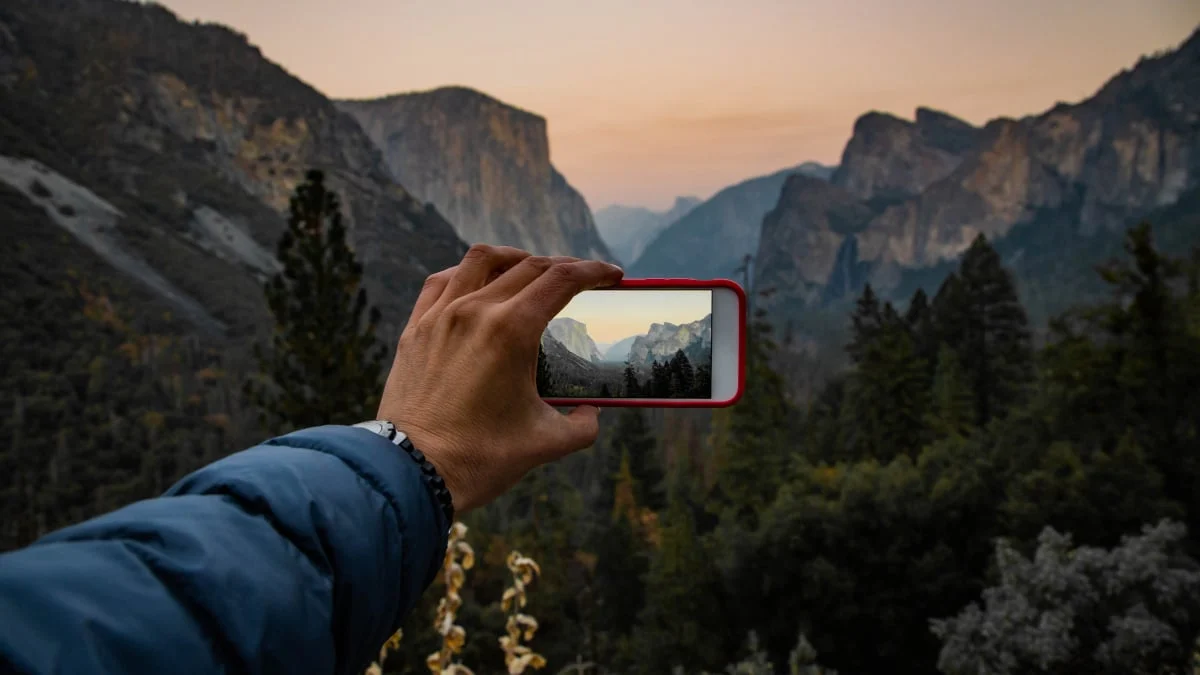
Bloomscrolling is the practice of actively curating and seeking out uplifting, calming, or inspiring content—such as high-definition nature footage, artistic tutorials, heartwarming human-interest stories, or comedic relief—rather than passively allowing the algorithm to dictate your emotional state. It is a transition from being a victim of the "infinite scroll" to becoming the architect of your own digital environment.
The Anatomy of the Digital Pivot
At its core, bloomscrolling is about agency. While doomscrolling is characterized by a reactive, survival-mode engagement with the world’s most sensationalist headlines, bloomscrolling is a proactive search for digital sustenance.
"Think of it as opening an app with a positive destination," says digital wellbeing coach Marcus Thorne. "Instead of waiting for the algorithmic lottery to serve you a mix of outrage and advertisements, you are curating a feed that functions as a mental sanctuary. Whether you are seeking the rhythmic calm of an underwater coral reef in Australia, the meticulous process of a master woodworker, or the latest milestone from a beloved animal rescue account, you are choosing to nourish your curiosity rather than feed your anxiety."
The "No-Avoidance" Philosophy
Critics of curated feeds often argue that such practices lead to "toxic positivity" or a detachment from reality. However, proponents of bloomscrolling emphasize that the practice is not about ignorance.
As neuropsychologist Dr. Sanam Hafeez notes, "Bloomscrolling does not mean pretending that bad things are not happening or completely avoiding the news. It is more about creating a healthier balance so that everything you see online is not making you feel anxious, angry, or overwhelmed."
The goal is not to live in a bubble, but to build the resilience necessary to engage with the world without becoming paralyzed by the sheer volume of negative information presented by modern social media platforms.
Scientific Foundations: Why "Cute" Matters
For years, the concept of looking at "eye bleach"—a term coined by internet users to describe content that cleanses the mind of trauma—was viewed as a frivolous pastime. Yet, emerging research suggests that our biological response to specific types of visual media is more profound than previously understood.
The Power of Nature and Novelty
A 2021 study published in the Journal of Environmental Psychology provided empirical evidence for what many feel intuitively. Researchers recruited 30 young adults and tasked them with viewing images of natural environments versus built, urban environments for three-minute intervals. The results were telling: participants consistently reported feeling significantly more comfortable, relaxed, and mentally restored after viewing nature-based imagery.
The "Kawaii" Effect
The impact of positive imagery extends beyond scenery. A seminal 2012 study published in the journal PLOS One explored the psychological phenomenon of the "cute factor." Japanese researchers conducted a series of experiments to determine how viewing images of puppies and kittens affected subsequent task performance.
The findings were striking: participants who were shown images of baby animals demonstrated significant improvements in tasks requiring high levels of dexterity and visual focus compared to those who viewed images of adult animals. The researchers concluded that viewing "cute" stimuli likely triggers a state of focused attention and caretaking, which can, in turn, enhance productivity in fine-motor tasks.
While these studies did not simulate the endless, algorithmic feed of platforms like TikTok or Instagram, they validate the hypothesis that short, intentional bursts of positive content can serve as a "cognitive reset," helping users transition from a state of stress to one of readiness.
How to Bloomscroll Without Falling Into the Trap
The paradox of bloomscrolling is that even "good" content is still housed within platforms designed for infinite engagement. To practice bloomscrolling effectively, one must treat the algorithm as a tool rather than a master.
1. Curate with Intent
You do not need to delete your social media accounts to start bloomscrolling. Instead, begin by performing a "feed audit." Follow accounts that provide genuine value, whether that is educational, aesthetic, or purely joyful. Conversely, be ruthless in muting or unfollowing accounts that trigger feelings of inadequacy, anger, or despair. Utilize the "Not Interested" function available on most major platforms to signal to the algorithm that you want a shift in content priorities.
2. Identify Your "Digital North Star"
Identify the topics that genuinely soothe you. For some, this might be the rugged, quiet life of the Arctic, as seen in the work of creators like Cecilia Blomdahl (@sejsejlija), who documents daily life in Svalbard. For others, it might be the educational, infectious enthusiasm of "Black Forager" Alexis Nikole Nelson, who teaches the art of foraging. If you prefer to stay informed without the "doom," seek out creators like Sam Bentley, who focus exclusively on environmental progress and positive news.
3. Implement Friction
The most effective way to bloomscroll without losing hours to the screen is to introduce intentional friction. Technology is designed to be seamless; therefore, you must make it effortful.
- Set Time Limits: Utilize built-in screen time trackers.
- Use Physical Barriers: Consider using hardware solutions like the "Brick," a physical device that limits access to distracting apps.
- Define Your Goal: Before opening an app, state your intention. "I am going to look at three videos of pottery making, then I will close the app."
Moving from Consumption to Creation
The ultimate objective of bloomscrolling is to use the inspiration found online as a bridge back to the physical world. If you find yourself watching a video on bread-making, the victory isn’t in watching the video—it’s in going into the kitchen to bake a loaf. If you are inspired by an artist’s process, the success is found in picking up a sketchbook.
We are currently living in a golden age of information, but we are also living in an age of sensory overload. By reclaiming our attention from the algorithms of outrage and redirecting it toward the beauty, progress, and curiosity that exists in the world, we can transform our relationship with technology.
Sometimes, the most profound outcome of a successful "bloomscroll" is the realization that the world outside your screen is far more vibrant, complex, and rewarding than the one inside it. The goal of the internet should be to connect us to that reality, not to isolate us within a feedback loop of our own anxieties. When you are ready, put the phone down, take a breath, and step into the sunlight—it’s the one feed that never needs to be refreshed.